

Developing a Fitness App Like MyFitnessPal or Strava
Long-term fitness management tools have become essential features of the digital fitness industry as the industry has undergone a complete transformation. The fitness world has embraced MyFitnessPal and Strava because these applications provide users with a convenient way to monitor workout activities and nutritional intake and observe their advancement. This guide introduces investors looking to build fitness apps to key application features and project expenses and necessary elements for developing successful fitness platforms.
Understanding the Market for Fitness Apps
Any development of fitness applications requires an awareness of expanding market requirements. Experts forecast the fitness app market worldwide will expand to billions of dollars because users now pay greater attention to health and wellness. The mobile user base selects products that deliver customized services with real-time performance updates and connectivity to wearable tech.
Developing your fitness app like Strava and MyFitnessPal demands complete system integration with user-friendly interfaces that integrate fitness tracking devices. User success with your fitness application will directly reflect the degree to which it satisfies their requirements, regardless of their athletic or non-athletic fitness orientation.
Key Features of a Fitness App Like MyFitnessPal or Strava
1. User Profile and Personalization
All initiatives for developing health and fitness apps must commence with planning features that adapt to individual users. Each user should make an account while establishing their fitness targets along with the capability to personalize their exercise regimens according to their taste and physical condition.
2. Activity Tracking
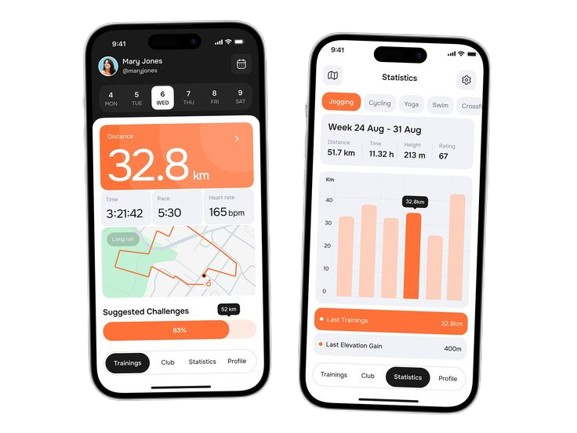
The success of a fitness mobile app development project requires activity tracking as an essential requirement. Strava among other apps enables users to monitor their exercise activity by combining GPS tracking with sensor data. Your application requires features that perform live tracking as well as step counting together with distance measurement and calorie tracking abilities.
3. Nutrition and Diet Tracking
Apps similar to MyFitnessPal focus on calorie counting and diet management. Integrating a comprehensive food database and barcode scanning for nutritional information can make your fitness app more appealing. Users should also be able to log their meals, track macros, and receive diet recommendations.
4. Integration with Wearable Devices
For enhanced user experience, fitness app development services should include compatibility with smartwatches, fitness bands, and other IoT devices. Syncing data from wearables allows users to track heart rate, sleep patterns, and overall fitness progress.
5. Social Features and Community Engagement
Fitness apps often thrive on social engagement. Features like leaderboards, challenges, friend invitations, and in-app messaging can encourage users to stay active. Social sharing capabilities also boost app visibility and user retention.
6. AI-Based Personalized Recommendations
AI-driven insights are transforming fitness app development. By leveraging machine learning, your app can provide personalized workout suggestions, adaptive training plans, and real-time feedback based on user performance.
7. Gamification Elements
Adding gamification elements such as achievement badges, milestone rewards, and competitive leaderboards can increase user motivation and engagement. This feature is widely used in apps like Strava.
8. Subscription and Monetization Options
A well-designed fitness app should have multiple monetization strategies, including freemium models, in-app purchases, premium subscriptions, and partnerships with fitness brands.
9. Push Notifications and Reminders
Timely reminders help users stay consistent with their fitness goals. Your fitness app developer should integrate push notifications that remind users to log workouts, track meals, or complete fitness challenges.
10. Data Analytics and Performance Tracking
For long-term engagement, users must be able to track their fitness progress through analytics and reports. Visual data representation through graphs and charts can make performance tracking more intuitive.
How Much Does It Cost to Develop a Fitness App?
The cost of fitness app development depends on various factors, including app complexity, features, platform compatibility, and the development team’s expertise. Below is a breakdown of the key cost components involved:
- Basic Fitness App: A simple app with essential tracking features can cost anywhere between $20,000 and $50,000.
- Mid-Level Fitness App: An app with advanced features like wearable integration, AI-based recommendations, and social engagement can range between $50,000 and $100,000.
- High-End Fitness App: If you want to create a fitness app like Strava with premium functionalities, the cost can go beyond $150,000.
Other factors influencing the cost include:
- App Platform: Developing an app for both iOS and Android increases the overall development cost.
- UI/UX Design: A well-designed interface enhances user experience and requires investment in high-quality design.
- Third-Party Integrations: APIs for GPS tracking, nutrition databases, and payment gateways add to the cost.
- Testing and Maintenance: Continuous updates and bug fixes are necessary for long-term success, requiring additional budgeting.
Choosing the Right Fitness App Development Company
Partnering with a reliable fitness app development company ensures that your app meets industry standards and delivers a seamless user experience. Look for a team with expertise in health and fitness app development, experience in wearable integrations, and a track record of successful projects.
A skilled fitness app developer will help you with technical implementation and guide you through market research, UI/UX design, and post-launch support.
Conclusion
Creating apps like MyFitnessPal or Strava requires detailed strategic planning, a strong technological backbone, and user-focused methods. Delivering a seamless experience with AI-powered insights is the essential element for attaining success. Working with appropriate fitness app development services is necessary to achieve success with your fitness application project, regardless of its features or simplicity. By investing in thorough planning combined with good execution and hiring a skilled development team, your fitness application will develop into a powerful resource that is accessible to users throughout the world.
Frequently Asked Questions (FAQs)
1. How long does it take to develop a fitness app?
The app development duration extends based on how complex the app design proves to be. The basic fitness app requires a development period of 3-6 months but the advanced version that incorporates AI features and supports wearable devices requires 9-12 months for completion.
2. What are the best monetization strategies for a fitness app?
A fitness app can monetize through different methods like premium payment plans, free starter options aligned with paid versions, built-in in-app store features, cooperation with fitness manufacturing businesses, and putting advertising content into the application.
3. Can I integrate my fitness app with wearable devices?
The app achieves better functionality and user engagement when users connect it to wearables such as Fitbit and Apple Watch together with Garmin devices.
4. What are the biggest challenges in fitness app development?
The main obstacles to overcome are achieving precise health data and sustaining user commitment while incorporating outside application programming interfaces and preserving health information safety standards.
5. How do I choose the best fitness app development company?
A reliable fitness app development partner should have solid experience working on health applications and demonstrate strong portfolios together with good reviews and know-how in AI development as well as wearable technology systems.