

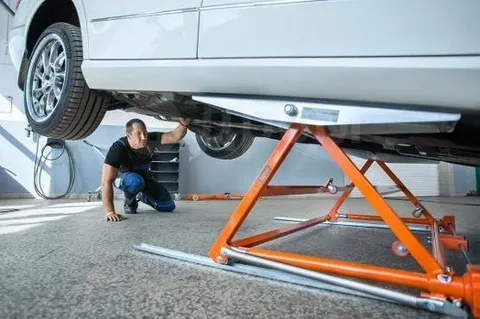
Low Profile Car Lifts: Advantages, Uses, and Buying Tips
For automotive enthusiasts and professionals alike, having the right equipment can make all the difference in both performance and convenience. When it comes to vehicle maintenance, low profile car lifts are a game-changer. These specialized lifts are designed to work in low-clearance environments and provide safe, efficient ways to lift vehicles for repairs, inspections, and maintenance.
Whether you’re operating a garage with limited space or working with vehicles that have a low ground clearance, a low profile car lift can be the perfect solution. In this article, we’ll explore the advantages, common applications, and tips for selecting the best low profile car lift for your needs.
What Are Low Profile Car Lifts?
Low Profile Car Lifts are hydraulic or electric lifts designed for use with vehicles that have limited ground clearance. These lifts are engineered to have a lower height, allowing them to fit under cars that standard lifts might not be able to accommodate. Despite their compact design, low profile car lifts are capable of lifting vehicles safely and efficiently, providing easy access to the undercarriage for repairs or maintenance.
These lifts come in a variety of designs, including scissor lifts, two-post lifts, and four-post lifts, and are available in both portable and stationary models. The key feature that differentiates them from other lifts is their reduced height, making them ideal for tight spaces or low-clearance vehicles such as sports cars, sedans, and lowered trucks.
Key Features of Low Profile Car Lifts
Compact Design
One of the most notable features of low profile car lifts is their compact design. These lifts typically have a shorter overall height, allowing them to fit in spaces where traditional lifts would be too large.
Low Clearance
Low profile lifts are specifically designed to accommodate vehicles with low ground clearance. They are built to work with cars that are too low to the ground for most standard lifts, making them ideal for sports cars and custom vehicles.
Hydraulic or Electric Operation
Low profile car lifts generally use hydraulic or electric mechanisms to lift the vehicle. Hydraulic systems are typically more common in low profile models, offering a smooth and reliable operation with minimal effort.
Safety Features
Like other types of car lifts, low profile models come with built-in safety features, including automatic locking mechanisms, overload protection, and fail-safe valves, ensuring that the vehicle remains securely lifted during use.
Advantages of Low Profile Car Lifts
Space-Saving Solution
Low profile car lifts are perfect for garages or workshops with limited space. Their compact design means they require less room to operate, allowing you to make the most of your available workspace.
Ideal for Low-Clearance Vehicles
If you work with sports cars, low-rider vehicles, or any car with a lower-than-average ground clearance, a low profile lift is essential. These lifts can raise these vehicles without damaging their undercarriage or suspension.
Increased Efficiency
Low profile car lifts are designed for easy access to the undercarriage of vehicles. This makes maintenance tasks such as tire changes, oil changes, brake repairs, and suspension adjustments much quicker and more efficient.
Cost-Effective
While low profile lifts may initially cost more than manual jacks or ramps, they are often more cost-effective in the long run. Their durability, safety features, and ability to reduce manual labor make them a wise investment for professionals and car enthusiasts alike.
Enhanced Safety
Traditional methods of lifting a car, such as using a jack, can be dangerous if not done correctly. Low profile car lifts eliminate much of the risk by providing a stable and secure platform to work from. The automatic locking systems and safety mechanisms ensure that the vehicle stays in place during repairs.
Types of Low Profile Car Lifts
Scissor Lifts
Scissor lifts are one of the most popular types of low profile lifts. Their design allows them to work well in tight spaces, and they can be raised or lowered quickly. These lifts are especially useful for performing tire changes and other routine maintenance tasks.
Two-Post Lifts
Two-post low profile lifts are another great option for working with vehicles that have low clearance. These lifts provide a stable and secure platform for lifting, and they are ideal for performing major repairs on the undercarriage, transmission, or suspension systems.
Four-Post Lifts
Four-post low profile lifts are typically used for heavier vehicles, such as trucks and SUVs. They offer a higher weight capacity and are great for storing vehicles in an elevated position, making them an excellent option for garages with limited floor space.
Portable Lifts
Portable low profile car lifts are perfect for users who need a lift they can move around easily. These models are lightweight, easy to transport, and can be used in various locations. While they may have a slightly lower weight capacity, they are still ideal for light-duty vehicle maintenance.
How to Choose the Right Low Profile Car Lift
When selecting a low profile car lift, there are several factors to consider to ensure you choose the right one for your needs:
Weight Capacity
Choose a lift with a weight capacity that suits the vehicles you work with. Low profile lifts are available in a range of weight capacities, from light-duty models suitable for small cars to heavy-duty models for larger trucks or SUVs.
Space Requirements
Measure the available space in your garage or workshop to ensure that the lift will fit. Low profile lifts are designed to be compact, but it’s still important to verify that there’s enough room for both the lift and the vehicle you plan to raise.
Lift Height
Different low profile lifts offer varying lift heights. Consider how high the lift needs to go to accommodate your maintenance tasks. Most low profile lifts can raise vehicles to a comfortable height for undercarriage work.
Ease of Operation
Look for a lift that is easy to use, especially if you’re a DIY enthusiast. Some models come with automated controls, while others may require manual operation. Choose one that suits your skill level and preferences.
Safety Features
Ensure that the lift you choose has appropriate safety features, such as automatic locks, overload protection, and anti-slip platforms. These features are crucial for keeping both you and your vehicle safe during use.
Common Applications for Low Profile Car Lifts
Routine Maintenance
Low profile car lifts are ideal for performing regular maintenance tasks, such as oil changes, tire rotations, brake checks, and suspension repairs.
Custom Modifications
If you’re customizing a vehicle, a low profile car lift can provide easy access to the undercarriage for suspension, exhaust, and engine modifications.
Storage
These lifts can also be used to store vehicles in a compact, elevated position, freeing up space for other vehicles or equipment in your garage.
Restoration Projects
If you’re restoring a classic car or working on a project vehicle, a low profile lift offers the stability and accessibility needed to perform detailed work on the vehicle’s underbody.
Conclusion
Low profile car lifts are an essential tool for anyone working with low-clearance vehicles or operating in spaces with limited room. They offer a range of benefits, including increased efficiency, enhanced safety, and a space-saving design. Whether you’re a professional mechanic or a DIY enthusiast, investing in a low profile car lift can make maintenance tasks easier, faster, and safer.
By considering factors such as weight capacity, space requirements, and safety features, you can select the best low profile car lift to suit your needs. Make sure to choose a model that fits your garage or shop space and provides the necessary features for efficient and secure vehicle maintenance.