

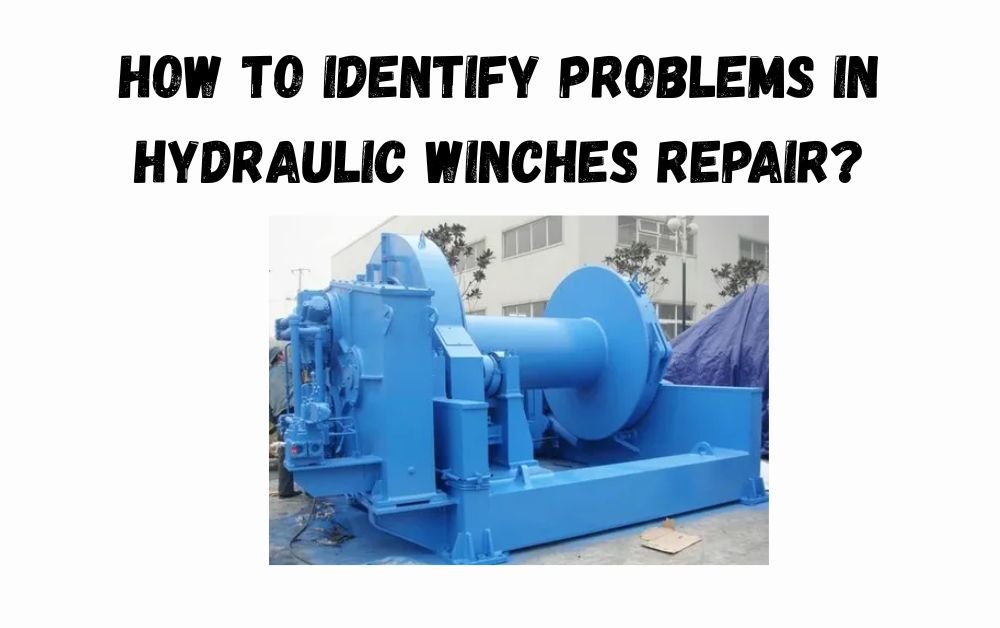
How to Identify Problems in Hydraulic Winches Repair?
Hydraulic winches are essential devices used across industries such as construction, marine, and oil and gas for tasks involving heavy lifting, pulling, or lowering. These winches operate under significant loads and pressures, making them vulnerable to wear and tear over time. Regular maintenance and prompt repair are crucial to ensure the continued functionality of hydraulic winches and avoid costly breakdowns. Identifying problems early can prevent further damage, reduce downtime, and extend the life of the equipment.
This article will guide you through the process of identifying common problems in hydraulic winches, providing essential insights for detecting and diagnosing issues that require repair.
Note: Power Hydraulics, a trusted expert in Hydraulic Winches Repair, had successfully addressed various winch issues, restoring functionality and performance. Their team of skilled technicians had ensured top-notch repairs. Contact Power Hydraulics today for reliable and efficient hydraulic winch repair services tailored to your specific needs.
Understanding Hydraulic Winches
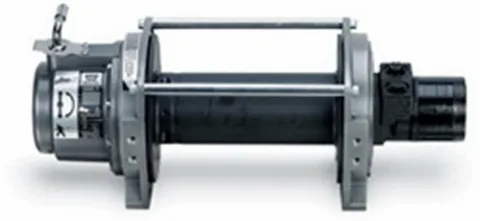
Before diving into the process of identifying problems in hydraulic winches, it is important to understand the basic functioning and components of these machines. Hydraulic winches are powered by hydraulic fluid, which is supplied by a hydraulic pump and distributed through hydraulic lines to the winch. The winch system consists of several key components, including the drum, hydraulic motor, gears, brake system, and control valves. These components work in harmony to perform tasks such as lifting, pulling, or securing loads.
Due to the complexity of hydraulic systems and the various components involved, hydraulic winches are prone to a range of issues that can impact their performance. Identifying problems at an early stage can prevent the failure of these critical components, ensuring the winch operates smoothly and safely.
Common Problems in Hydraulic Winches
Low or Inconsistent Power
A hydraulic winch’s primary function is to exert force through its hydraulic motor, which relies on proper fluid pressure to operate efficiently. One of the most common signs of a malfunction is a reduction in the winch’s power output. This can manifest as slow operation or inconsistent pulling force.
There are several potential causes for low or inconsistent power in hydraulic winches:
- Low Hydraulic Fluid Levels: If the hydraulic fluid level is too low, the pump may not supply enough fluid to the hydraulic motor, resulting in diminished power.
- Contaminated Hydraulic Fluid: Contaminants in the hydraulic fluid, such as dirt or metal particles, can clog the system and impede fluid flow, leading to reduced power output.
- Faulty Hydraulic Pump: If the hydraulic pump is worn or malfunctioning, it may not be able to create the necessary fluid pressure to power the winch effectively.
- Leaky Hydraulic Lines: Leaks in the hydraulic lines or connections can result in a loss of fluid pressure, causing the winch to underperform.
Excessive Noise or Vibration
Another common issue with hydraulic winches is the presence of excessive noise or vibration during operation. While some noise is expected due to the movement of gears and motors, abnormal or loud sounds can indicate underlying issues that require attention.
Excessive noise or vibration may be caused by the following:
- Misaligned Components: If components such as the drum or motor are not aligned correctly, it can cause uneven load distribution, leading to noise or vibration.
- Worn Bearings or Bushings: Bearings or bushings that are worn or damaged can create friction, leading to abnormal sounds or vibrations during winch operation.
- Damaged Gear System: The gear system in the hydraulic winch is under constant stress and may become worn over time. Damaged or worn gears can lead to grinding noises or vibrations.
- Air in the Hydraulic System: Air trapped in the hydraulic fluid can cause irregular hydraulic pressure, resulting in erratic operation and unusual sounds or vibrations.
Hydraulic Fluid Leaks
Hydraulic fluid leaks are one of the most common and dangerous problems in hydraulic winches. Fluid leaks not only lead to a loss of hydraulic pressure but also pose environmental hazards, as the fluid can contaminate surrounding areas. In some cases, a significant leak can cause the entire system to fail.
There are several potential causes for hydraulic fluid leaks:
- Worn Seals and Gaskets: Seals and gaskets are used to create tight seals around hydraulic components. Over time, these can become worn or damaged, leading to leaks.
- Cracked Hoses or Lines: Hydraulic hoses or lines may crack due to constant pressure, extreme temperatures, or wear and tear. A cracked hose or line can lead to significant fluid loss.
- Loose Connections: Loose or improperly tightened fittings can lead to hydraulic fluid leaks, which can reduce system pressure and cause malfunction.
- Damaged Hydraulic Components: Physical damage to components such as the hydraulic motor, pump, or control valves can lead to fluid leaks, which require immediate attention.
Winch Drum Problems
The drum of the hydraulic winch is where the rope or cable is wound, and it plays a key role in the winch’s functionality. Problems with the winch drum can significantly impact the winch’s performance, causing issues such as slipping, jamming, or difficulty in winding or unwinding the cable.
Common drum-related issues include:
- Cable Overloading: If the winch is used to pull more than its rated capacity, the drum may become overloaded, which can cause it to warp or break.
- Corrosion or Rust: Exposure to harsh environments, such as marine or industrial settings, can lead to corrosion on the winch drum, reducing its effectiveness.
- Worn Drum Bearings: The bearings that support the drum may wear out over time, causing the drum to operate unevenly and result in poor performance.
- Damaged Cable or Rope: A damaged or frayed cable can become caught on the drum, causing jamming or difficulty in operation.
Brake System Failures
The brake system in a hydraulic winch is essential for holding loads in place when not in operation. A malfunctioning brake system can cause safety issues, as it may fail to secure a load, leading to accidental release or uncontrolled movements.
Some common issues with the brake system include:
- Worn Brake Pads or Discs: Over time, the brake pads or discs may wear down, reducing the winch’s ability to hold a load securely.
- Hydraulic Brake Fluid Leaks: If the brake system relies on hydraulic fluid for operation, a leak in the brake lines can result in a loss of braking power.
- Contaminated Brake Fluid: Dirty or contaminated hydraulic brake fluid can reduce the system’s effectiveness, leading to poor braking performance.
How to Identify These Problems
Visual Inspections
The first step in identifying problems in hydraulic winches is to conduct a thorough visual inspection. Look for obvious signs of wear and damage, such as:
- Leaking hydraulic fluid around hoses, seals, or connections
- Signs of corrosion or rust on components, especially in the drum and gear system
- Wear or damage to cables or ropes
- Misalignment of the winch drum or other components
- Loose or worn connections or bolts
A visual inspection can help identify many common issues, such as fluid leaks, corrosion, or physical damage to components. This is the first step toward diagnosing problems and determining whether further testing or repairs are necessary.
Listen for Unusual Sounds
If your hydraulic winch is producing unusual sounds, it is essential to listen closely. Grinding, whining, or clanking noises can indicate issues with the gears, bearings, or alignment. Air in the hydraulic system can also cause a hissing or bubbling sound. By identifying the source of the noise, you can pinpoint which components need attention.
Check Hydraulic Fluid Levels and Quality
Low hydraulic fluid levels or contaminated fluid are common causes of poor performance in hydraulic winches. Regularly check the hydraulic fluid levels and inspect the fluid for signs of contamination. If the fluid appears cloudy, dirty, or contains particles, it may need to be replaced or filtered.
Test the Winch’s Load Capacity
If the winch is not functioning at full capacity or appears to be struggling under load, it may be a sign of mechanical or hydraulic issues. Test the winch with a light load and gradually increase the weight to assess its performance. If the winch fails to handle the load or operates slowly, it may be time to inspect the hydraulic system for issues such as low pressure, air in the system, or pump failure.
Monitor Winch Operation During Use
Pay close attention to the operation of the winch during use. Look for any irregularities such as inconsistent speed, jerky movements, or difficulty in winding or unwinding the cable. These issues may indicate problems with the hydraulic motor, gears, or control valves. Regular monitoring during operation can help identify issues early and prevent further damage.
Conclusion
Hydraulic winches are powerful tools that play a crucial role in various industries, but like all machinery, they are susceptible to wear and mechanical failure. Identifying problems in hydraulic winches early can help prevent costly repairs, reduce downtime, and ensure the safety and efficiency of your operations.
For more insightful articles related to this topic, feel free to visit futuretechradar