

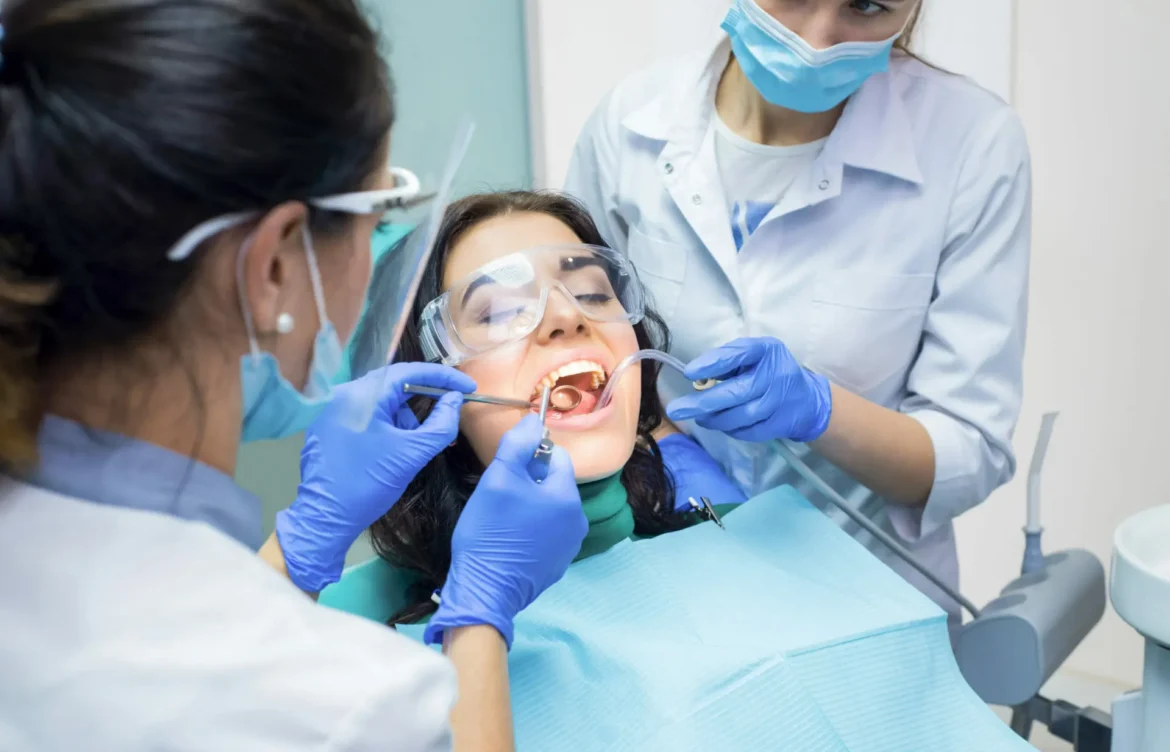
Comprehensive Guide to Dental and Maxillofacial Surgery
What Is Dental and Maxillofacial Surgery?
Dental and maxillofacial surgery is a specialized field that focuses on the surgical treatment of conditions affecting the mouth, jaw, face, and neck. This branch of surgery blends dentistry and surgery to address a wide range of issues, from simple tooth extractions to complex facial reconstructions. Maxillofacial surgery can involve procedures that are both aesthetic and functional, aimed at improving a patient’s oral health, appearance, and overall quality of life.
Why Would Someone Need Maxillofacial Surgery?
People may require maxillofacial surgery for a variety of reasons, including:
- Jaw Misalignment: Conditions like an overbite, underbite, or crossbite that affect chewing, speaking, or breathing.
- Facial Trauma: Accidents or injuries causing fractures to the jaw, cheekbones, or other facial structures.
- Impacted Wisdom Teeth: When wisdom teeth don’t emerge properly, they may require surgical removal.
- Sleep Apnea: Severe cases of sleep apnea that can’t be treated with CPAP machines or other non-surgical treatments.
- Oral Tumors or Cysts: Removing harmful growths or dealing with other dental pathology like cysts or tumors.
- Cleft Lip and Palate: Surgical repair of congenital defects for improved appearance and function.
In essence, maxillofacial surgery restores oral health, enhances functionality, and improves aesthetic appearance, which significantly boosts a patient’s quality of life.
What Are the Most Common Types of Maxillofacial Surgeries?
1. Orthognathic (Jaw) Surgery
Orthognathic surgery is performed to correct jaw misalignment, which often affects bite function and facial appearance. Whether it’s an overbite, underbite, or open bite, surgery realigns the jaw to improve chewing, speaking, and breathing. Often combined with orthodontics, this surgery helps patients regain proper oral function and achieve a balanced, harmonious facial structure.
2. Dental Implant Surgery
Dental implants are a permanent solution for replacing missing teeth. The process involves placing titanium posts into the jawbone, which then fuse with the bone to create a stable base for artificial teeth. Dental implant surgery not only improves oral function but also prevents bone loss and enhances facial aesthetics by filling in gaps left by missing teeth.
3. Wisdom Tooth Extraction
When wisdom teeth become impacted or improperly aligned, they can cause pain, infection, and crowding of other teeth. In such cases, wisdom tooth extraction is recommended to prevent future complications.
4. TMJ Surgery
The temporomandibular joint (TMJ) connects the jawbone to the skull. Dysfunction of this joint can lead to chronic pain, limited movement, and other symptoms like clicking or popping sounds. TMJ surgery may be necessary for individuals whose symptoms can’t be managed through non-surgical treatments like physical therapy or medication.
5. Facial Trauma Reconstruction
In cases of facial injuries or accidents that result in fractures or soft tissue damage, facial trauma reconstruction helps restore both function and appearance. Surgeons use advanced techniques to repair broken jawbones, cheekbones, and other facial structures.
6. Cleft Lip & Palate Surgery
For children born with a cleft lip or cleft palate, surgery is essential to restore normal speech, eating, and facial development. Multiple surgeries may be needed during childhood to correct these conditions and ensure the child’s well-being as they grow.
7. Oral Pathology Surgery
This surgery involves the removal of oral tumors, cysts, and pre-cancerous growths in the mouth, jaw, or facial area. Early diagnosis and treatment can prevent the spread of oral cancers and other serious diseases.
What Are the Benefits of Maxillofacial Surgery?
Maxillofacial surgery can provide patients with a range of benefits:
- Pain Relief: Chronic facial, jaw, or dental pain is significantly reduced or eliminated after surgery.
- Improved Function: Restores the ability to chew, speak, and breathe properly, especially in cases of jaw misalignment or sleep apnea.
- Aesthetic Improvement: Enhances facial symmetry, boosts self-esteem, and gives patients a more confident smile.
- Disease Prevention: Surgery removes harmful cysts, tumors, or infected teeth, reducing the risk of future complications.
- Long-Term Health: Addressing issues like impacted teeth or jaw misalignment ensures long-term oral and facial health.
Most modern procedures use minimally invasive techniques, leading to quicker recovery and less discomfort.
What Risks Are Involved in Maxillofacial Surgery?
Like any surgery, maxillofacial procedures come with potential risks:
- Infection at the surgical site.
- Nerve damage, which could cause numbness or tingling in the face or mouth.
- Excessive bleeding or swelling.
- Scarring, particularly for visible facial surgeries.
- Anesthesia-related complications.
Selecting a skilled, experienced surgeon can help minimize these risks, and following post-operative care instructions is crucial to ensuring a safe recovery
How Should You Prepare for Dental and Maxillofacial Surgery?
To ensure a smooth surgery, here are some key preparation steps:
- Consult with Your Surgeon: Discuss your health history and any medications you’re taking.
- Imaging: X-rays, CT scans, or 3D imaging may be required to help plan your procedure.
- Pre-operative Instructions: Follow your surgeon’s guidelines, such as fasting before surgery or adjusting medications.
- Post-operative Care: Plan for rest, transportation, and follow-up care after your procedure.
Preparing properly helps ensure the best possible outcome and a quicker recovery.
What Does the Recovery Process Look Like?
Recovery time depends on the type of surgery, but in general, you can expect:
- Rest: Avoid heavy physical activity for a few days to allow your body to heal.
- Diet: A soft or liquid diet may be necessary initially to avoid placing stress on your mouth or jaw.
- Pain Management: Your surgeon will likely prescribe pain medication to help manage any discomfort.
- Swelling: Ice packs can help reduce swelling in the first few days after surgery.
- Follow-up Visits: Ensure you attend follow-up appointments to monitor healing and address any concerns.
Full recovery can take anywhere from a few days to several weeks, depending on the complexity of the procedure.
FAQs About Dental and Maxillofacial Surgery
Is maxillofacial surgery painful?
Pain during surgery is managed with anesthesia. Post-operative discomfort is typically mild and can be controlled with medication.
How long is recovery after maxillofacial surgery?
Recovery times vary. Wisdom tooth extractions may heal in just a few days, while more complex surgeries like jaw realignment may require several weeks.
Does insurance cover these surgeries?
Insurance often covers procedures deemed medically necessary, such as surgeries for trauma, tumors, or congenital defects. Verify coverage with your insurance provider.
Can children undergo maxillofacial surgery?
Yes, children may need surgery for cleft lip/palate, jaw misalignment, or facial injuries.
How to Choose the Right Maxillofacial Surgeon
When choosing a surgeon, consider the following:
- Board Certification and experience in the specific procedure you need.
- Modern facilities and advanced diagnostic tools.
- Patient reviews and testimonials that speak to their skill and patient care.
- Clear communication: A surgeon should be able to explain the procedure, risks, and recovery in detail.
It’s essential to find someone who makes you feel comfortable and confident about your treatment.
Final Thoughts: Is Dental and Maxillofacial Surgery Right for You?
If you’re dealing with persistent jaw pain, facial injuries, missing teeth, or jaw misalignment, dental and maxillofacial surgery can be life-changing. These procedures restore oral function, aesthetic appearance, and long-term health. They offer both physical relief and emotional confidence, especially for patients who struggle with facial or dental conditions.
At SmileOn Dental, we are dedicated to helping you achieve the best possible results through advanced surgical techniques and personalized care. Whether you need dental implants, jaw surgery, or oral pathology treatment, our expert team is ready to guide you through every step of the process
Take the Next Step
- Schedule a consultation today to discuss your treatment options.
- Ask questions about your procedure, risks, and recovery timeline.
- Achieve a healthy, beautiful smile with SmileOn Dental.