

Choosing the Right Piling Method for Your Construction Project
You need to consider a lot of things before starting any construction project. The key things you focus on are choosing reliable contractors and getting high-quality materials. However, one of the most important things you need to focus on is the foundation of your structure. Every building needs a strong and stable foundation to support its weight.
This is where piling comes into play. It is a technique to transfer the load of a structure deep into the ground using highly durable columns, ensuring it stays stable for several years. However, it only helps when you choose the right piling method. Understanding different types can help you regarding this. Let’s do so without any ado.
Understanding Different Piling Methods
Continuous Flight Auger (CFA) Piling
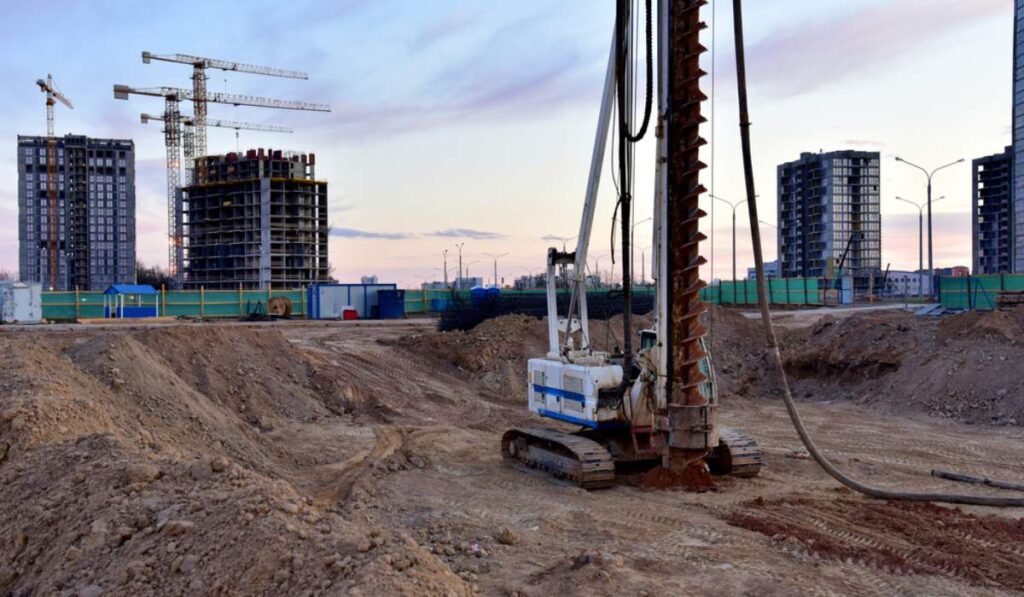
CFA piling is a modern method that is specifically used in urban and residential construction projects. It involves a hollow-stemmed auger that is drilled into the ground to the required depth without withdrawing it. As the auger drills deeper, it carries the soil to the surface.
Once the desired depth is reached, concrete is pumped through the hollow stem of the auger. After that, a reinforcement cage is inserted into the wet concrete to complete the pile.
One of the biggest advantages of CFA piling is that it is a low-vibration method, which makes it ideal for projects in noise-sensitive areas. As the hole is immediately filled with concrete, the risk of collapse or contamination is very low. It’s also a fast process, which makes it a cost-effective choice.
It is suitable for apartment blocks, commercial centres, and residential homes. It’s particularly useful in soft to medium-dense soils. Moreover, if your site is located in a densely populated area with restricted access, CFA piling is the go-to method due to its high speed and quiet operation.
Driven Piling
It involves hammering pre-made piles into the ground. The pile is driven into place using a hydraulic hammer or a piling rig. The process doesn’t involve any excavation or removal of soil. The piles are simply forced into the ground until they reach a stable layer or a specified depth.
Driven piles are highly durable and offer excellent load-bearing capacity. They are pre-formed, so you know exactly what you’re putting into the ground. The process is not affected by weather conditions because there is no need to pour concrete on site. Moreover, piles can penetrate through soft spots until they reach a firm layer.
It is a great option for bridges, highways, and industrial projects where strong load-bearing is required. These piles work well in loose and sandy soils. However, they are less suitable for urban environments due to the noise and vibration created during installation.
Bored Piling
It is also known as drilled piling. It involves the removal of soil to create a hole that is later filled with concrete to form a pile. This method uses specialised machinery to drill deep holes into the ground. Once the hole reaches the required depth, reinforcement cages are inserted and concrete is poured.
The main advantage of bored piling is that it’s suitable for larger and heavier structures. It creates minimal vibration, which is ideal for sites close to existing buildings. This method also ensures a high-quality finish and strong structural integrity.
Bored piles are perfect for office towers, shopping malls, and hotels. They are especially suitable for clay or soils with boulders and other underground obstructions.
Mini Piling
Mini piling is a modern technique for sites with limited access. It involves installing smaller-diameter piles using compact equipment. There are different forms of mini piling, including driven mini piles and auger-bored mini piles. It offers flexibility in tight or low-headroom spaces.
Mini piling causes low levels of noise and vibration. It’s also cost-effective for smaller projects. Moreover, it can be done quickly and with minimal disruption.
Mini piling is perfect for house extensions, underpinnings, basement constructions, and small commercial properties. It’s best suited for weak ground where lightweight structures require reliable foundations.
Contiguous Piled Wall
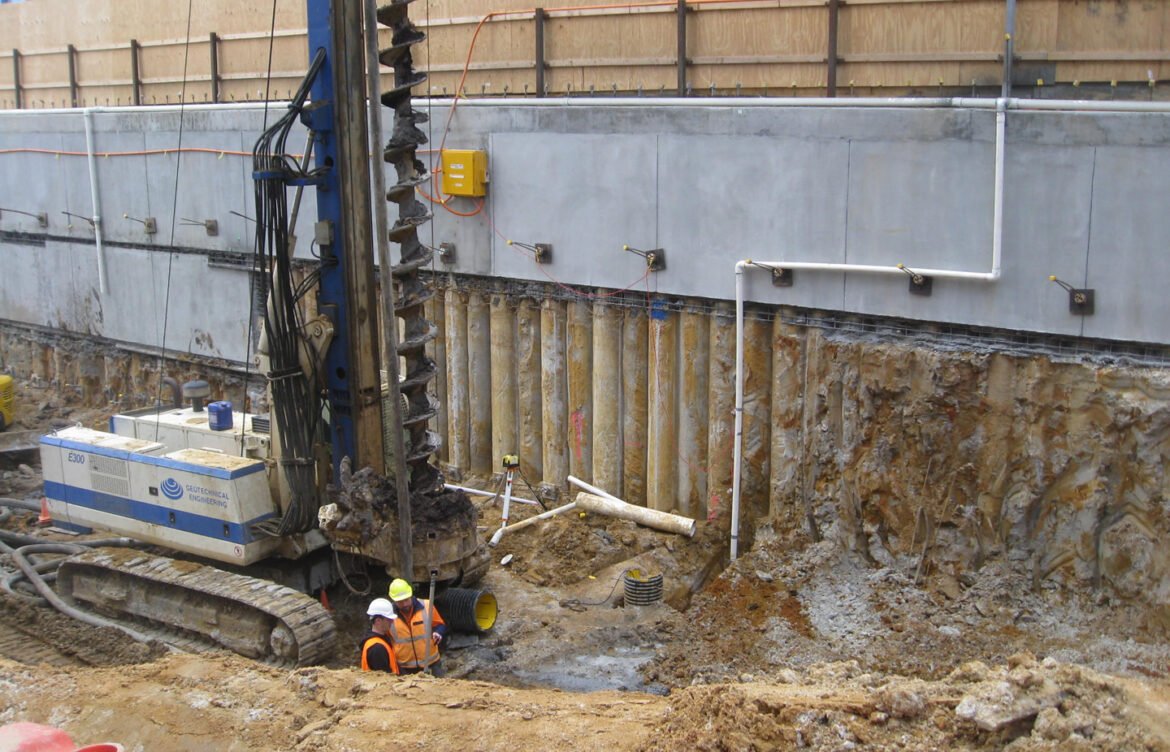
It is created by drilling a series of piles close together, typically leaving a small gap between them. These piles form a continuous barrier that acts as a retaining wall to prevent soil movement. Reinforced concrete is used to create the contiguous wall.
It is very useful in deep excavation projects. These walls help support the surrounding ground and prevent collapses during foundation work. This method is especially beneficial in preventing ground settlement near neighbouring buildings.
Contiguous piled walls are commonly used for basement construction, underground car parks, and tunnel entrances. They’re suitable for stable and cohesive soils.
Takeaway
Understanding the aforementioned types will help you make the right choice based on your projects. Make sure you understand your project and consult with professionals to choose the right type. They will conduct the site survey and recommend a suitable solution based on soil type and ground condition.