

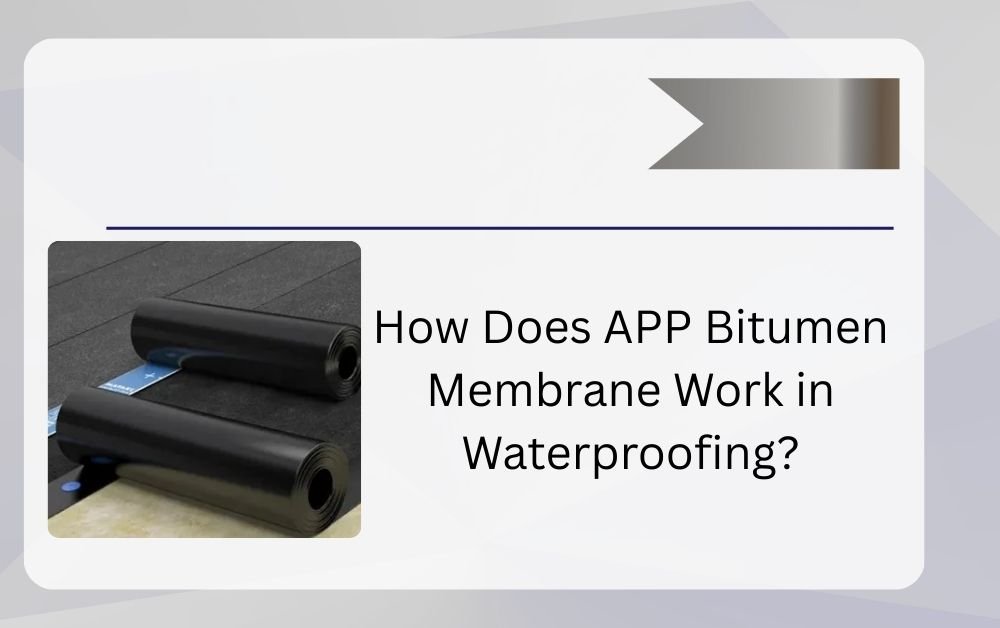
How Does APP Bitumen Membrane Work in Waterproofing?
Waterproofing is very important for protecting buildings, especially in areas that face heavy rain or high humidity. One of the most commonly used materials in waterproofing today is the APP bitumen membrane. If you’ve heard of it but aren’t sure what it does or how it works, don’t worry. In this blog post, we will explain everything in simple language.
We’ll talk about what APP bitumen membrane is, how it works for waterproofing, where it can be used, and why it’s a popular choice.
What Is APP Bitumen Membrane?
APP stands for Atactic Polypropylene. It is a type of plastic-modified bitumen membrane used for waterproofing.
Bitumen and APP – A Powerful Combination
Bitumen is a black, sticky material that comes from crude oil. It has waterproofing properties and has been used in construction for a long time.
To improve bitumen, APP (a type of plastic) is added. This makes the bitumen stronger, more flexible, and more resistant to sunlight and heat.
When combined, they form APP-modified bitumen membrane, a rolled sheet used to cover surfaces like roofs and basements.
How Does APP Bitumen Membrane Provide Waterproofing?
APP bitumen membrane works by creating a strong, waterproof barrier over the surface where it is applied. This barrier blocks water from entering the structure below.
Let’s break it down step by step.
1. Creating a Seamless Protective Layer
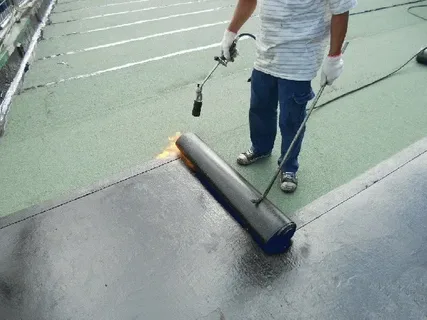
APP bitumen membranes are heated with a blow torch during installation. The heat melts the bottom layer slightly so it sticks to the surface. Once it cools down, it becomes a seamless, tight-fitting sheet.
This no-gap installation stops water from seeping in, unlike other materials that may have cracks or weak joints.
2. Flexible But Strong
Because of the plastic (APP) inside it, the membrane is flexible yet tough. It can handle minor movements in the building without cracking.
Buildings expand and contract slightly due to temperature changes. The flexibility of the APP membrane allows it to stretch a little instead of breaking.
3. Resistant to UV Rays and Heat
One big reason for roof damage is exposure to sunlight. But the APP bitumen membrane can resist UV rays and high temperatures. This means it lasts longer on roofs, even in very hot areas like Dubai.
4. Works Well With Other Layers
APP membranes are often used with protective coatings or insulation boards. These added layers improve the performance, making the system even more effective.
Where Can APP Bitumen Membrane Be Used?
This waterproofing membrane can be used in many different places around a building.
1. Flat and Low-Slope Roofs
APP membranes are perfect for flat roofs, which are more prone to water collection. Since water doesn’t easily drain from flat roofs, having a reliable waterproof layer is very important.
2. Basements and Foundations
APP bitumen membrane is also used to waterproof basement walls and foundations. It stops water in the soil from entering the building from below.
3. Balconies and Terraces
Balconies and terraces are open to the sky, so they need strong waterproofing. APP membranes keep water from leaking into the rooms below.
4. Bathrooms and Wet Areas
Even inside a building, water leakage can cause damage. That’s why APP membranes are used under the tiles in bathrooms, kitchens, and laundry rooms.
Why Choose APP Bitumen Membrane for Waterproofing?
There are many waterproofing products out there. So, why do many contractors and property owners prefer APP bitumen membranes? Let’s look at the main benefits.
1. Long Life and Durability
When installed properly, APP membranes can last 15 to 20 years or more. They don’t break easily and can survive in tough weather conditions.
2. Easy to Install with Heat
With the right tools and a trained team, APP membranes can be installed quickly. The torch-on method makes sure the membrane sticks well to the surface and doesn’t come off easily.
3. Low Maintenance
Once installed, these membranes don’t need a lot of attention. Just regular checks and simple cleaning can keep them in good condition for many years.
4. Affordable for Large Areas
APP membranes come in rolls and cover large areas quickly. This makes them a cost-effective choice for big roofs and commercial buildings.
How Is APP Bitumen Membrane Installed?
Installing APP membranes is not a DIY job. It needs skilled workers who know how to use heat safely. But here’s a simple overview of how it’s done.
Step-by-Step Installation Process
1. Surface Cleaning
The surface must be clean and dry. Dust, oil, and debris are removed.
2. Primer Application
A bitumen-based primer is applied to improve bonding between the surface and the membrane.
3. Heating the Membrane
The installer uses a blow torch to heat the underside of the membrane.
4. Sticking It Down
As it heats, the membrane becomes sticky and is pressed onto the surface.
5. Overlapping the Edges
Each roll is laid with a small overlap (usually 10 cm) to make sure there are no gaps.
6. Final Checks
After cooling, the installer checks for any loose areas or air bubbles.
Common Mistakes to Avoid
Even though APP bitumen membrane is a strong material, some mistakes during installation can reduce its effectiveness.
1. Poor Surface Preparation
If the surface is not clean and dry, the membrane won’t stick properly and may peel off later.
2. Not Enough Overlap
If the rolls don’t overlap correctly, water can seep through the gaps.
3. Too Much or Too Little Heat
Using the wrong amount of heat can damage the membrane or prevent it from sticking.
4. Skipping Primer
Skipping the primer reduces the bond strength between the membrane and the surface.
Always hire trained professionals to avoid these issues.
Tips to Extend the Life of APP Bitumen Membrane
Want your waterproofing to last even longer? Here are some simple tips:
- Inspect regularly – especially after rain.
- Clean the surface to remove leaves and dirt.
- Avoid walking on the membrane unless necessary.
- Repair small cracks or bubbles early before they become big problems.
Final Thoughts
APP bitumen membrane is one of the most reliable solutions for waterproofing in modern construction. It forms a strong, flexible, and long-lasting barrier against water. Whether it’s a roof, basement, or wet area, this membrane keeps water out and protects your building.
If you’re planning a construction project or want to fix existing leaks, consider using APP bitumen membrane—and always get the job done by experienced professionals.
For more insightful articles related to this topic, feel free to visit futuretechradar
Victorfourl
September 9, 2026line up day by day calm shouldn’t be hard. search our full [url=https://www.cornbreadhemp.com/collections/thc-gummies ]thc gummies order online[/url] excerpt to discovery high-potency CBD fossil oil, CBD gummies, and CBD pull up take a leak for liberalization. Modern lifetime brings constant emphasize, merely natural CBD interact with your torso to restore counterbalance. Our non-intoxicating CBD production give up effective embossment without English effect. advance your turn with clean house, hemp-derived CBD design for material event. Visit our CBD shop at, grease one’s palms CBD on-line, and see thoroughgoing CBD health with every undivided Cupid’s itch!