

What Is Included in a Comprehensive Car Inspection?
When it comes to maintaining your vehicle, one of the best things you can do is schedule a comprehensive car inspection. Regular car inspections can help catch small problems before they become big, costly repairs. But what exactly happens during a comprehensive car inspection? What’s checked, and why is it important? In this blog, we will break down what you can expect from a full car inspection and why it’s an essential part of vehicle maintenance.
What Is a Comprehensive Car Inspection?
A Full Check for Your Car’s Health
A comprehensive car inspection is a detailed assessment of your vehicle. It includes checking all of the major parts and systems to make sure everything is working properly. Think of it like a full check-up for your car, similar to how you would visit a doctor for an annual physical exam. A thorough inspection helps catch any issues early, improving your car’s performance, safety, and lifespan.
Why Do You Need a Comprehensive Car Inspection?
Keeping Your Car Safe
Car safety is the most important reason for scheduling a comprehensive car inspection. Over time, parts wear out and certain systems can start to fail. Regular inspections ensure that everything in your vehicle is functioning well, so you and your passengers can drive safely.
Saving Money
It might sound counterintuitive, but getting a comprehensive inspection can save you money in the long run. Catching small issues early prevents them from turning into major problems that could cost hundreds or even thousands of dirhams to fix later.
Increasing Your Car’s Lifespan
Cars are a big investment, so it makes sense to take good care of them. Regular inspections help keep your car in top shape, extending its lifespan and helping it run smoothly for years to come.
What’s Included in a Comprehensive Car Inspection?
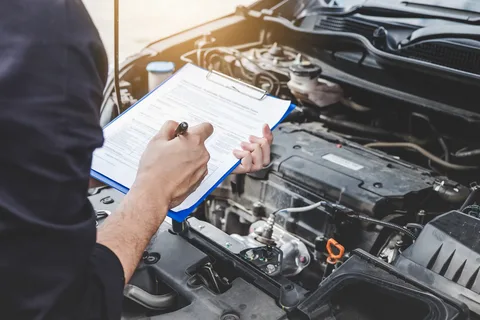
A comprehensive inspection involves checking every part of your car to ensure it is safe and operating correctly. Here’s a breakdown of the key components that are typically checked:
1. Engine and Transmission
Engine Health
Your car’s engine is one of the most critical parts, and during a comprehensive inspection, the mechanic will check for any signs of wear and tear. They will inspect components like the engine belts, hoses, and the timing belt, and they will check the oil levels and quality. Low or dirty oil can damage your engine, so it’s essential to keep it at the right level.
Transmission Check
The transmission is responsible for shifting gears, and if it’s not working properly, you’ll notice rough shifting or strange sounds. A full inspection includes a check of the transmission fluid, as well as an inspection of the transmission system for leaks or any other issues that could affect performance.
2. Brakes
Brake Pads and Rotors
Brakes are one of the most critical safety features of your car, so it’s vital to make sure they are in good condition. During a comprehensive inspection, the mechanic will check the brake pads and rotors for wear and tear. Worn brake pads can reduce your car’s ability to stop, which can be dangerous. If the rotors are damaged or warped, they can affect braking efficiency, leading to an uncomfortable driving experience.
Brake Fluid
The inspection also includes checking the brake fluid. If the brake fluid is low or contaminated, it can cause the brakes to become less responsive. Replacing the brake fluid at regular intervals is a simple and effective way to keep your brakes functioning at their best.
3. Tires and Suspension
Tire Condition
The condition of your tires is essential for both your car’s performance and safety. A comprehensive inspection will include checking the tread depth, tire pressure, and overall tire condition. Worn tires are more likely to lose traction, especially in wet or icy conditions, so it’s crucial to replace them when needed.
Suspension System
The suspension system controls how your car handles bumps, turns, and overall ride comfort. The mechanic will inspect the shocks, struts, and springs to ensure that the suspension is working properly. If the suspension is damaged, it can affect your car’s ability to stay stable, especially during turns or sudden stops.
4. Battery and Electrical System
Battery Condition
A dead or weak battery is a common reason for car breakdowns, especially in hot climates like Dubai. During an inspection, the mechanic will check the battery’s charge and test its overall health. If the battery is old or not holding a charge, it may need to be replaced to avoid unexpected failures.
Electrical System
The mechanic will also check the electrical system, including the wiring, fuses, and lights. A properly working electrical system ensures that everything from your car’s headlights to air conditioning and dashboard indicators function correctly.
5. Cooling System
Radiator and Coolant Levels
The radiator is responsible for keeping your engine cool, preventing it from overheating. The mechanic will check the radiator for any signs of leaks and ensure the coolant is at the proper level. Overheating can cause serious engine damage, so it’s essential to make sure the cooling system is in good working order.
6. Exhaust System
Exhaust Pipes and Mufflers
A faulty exhaust system can lead to poor engine performance, higher emissions, and loud noises. During an inspection, the mechanic will check the exhaust pipes, mufflers, and catalytic converter for any leaks or blockages. A well-maintained exhaust system helps your car run efficiently and reduces pollution.
7. Lights and Indicators
Headlights, Brake Lights, and Turn Signals
A comprehensive car inspection will include a check of all exterior lights — including headlights, brake lights, and turn signals. These lights are crucial for safety, especially when driving at night or in low-visibility conditions. The mechanic will also check interior lights like the dashboard lighting.
8. Air Conditioning and Heater
A/C Performance
In the hot climate of Dubai, your car’s air conditioning system needs to be in top condition. The mechanic will inspect the A/C system to ensure it is cooling properly and check for leaks or refrigerant issues. A malfunctioning A/C can make driving uncomfortable, especially during the summer months.
Heater and Defroster
In addition to A/C, the mechanic will check the heating system and defroster to ensure they work properly. These systems are important for visibility and comfort during colder weather or if you need to clear fog from the windshield.
9. Fluid Levels
Engine Oil and Other Fluids
Keeping track of fluid levels is essential for the smooth operation of your vehicle. A comprehensive car inspection includes checking the levels and condition of key fluids, such as engine oil, brake fluid, transmission fluid, coolant, and power steering fluid. Low fluid levels can lead to engine damage and decreased vehicle performance.
How Often Should You Get a Comprehensive Car Inspection?
While it may seem like a lot of work, scheduling a comprehensive car inspection regularly is one of the best ways to keep your vehicle running smoothly. It’s generally recommended to have your car inspected every 12 months or 12,000 miles. However, if your car is older or if you notice any unusual sounds, smells, or performance issues, it’s a good idea to schedule an inspection sooner.
Benefits of a Comprehensive Car Inspection
Improved Safety
A well-maintained car is a safe car. By checking critical components like brakes, tires, and the engine, a comprehensive inspection ensures your vehicle is ready to perform at its best when you need it most.
Preventative Maintenance
By catching small issues before they turn into major repairs, regular inspections help save you money in the long run. A comprehensive inspection identifies potential problems early, so you can take care of them before they affect your car’s performance.
Increased Vehicle Longevity
Regular inspections are an excellent way to extend the life of your car. Taking care of your car’s key systems ensures that your vehicle remains reliable and efficient for many years.
Conclusion
A comprehensive car inspection is an essential part of car maintenance that provides peace of mind. Whether you are preparing for a long road trip, maintaining an older car, or just want to ensure that your vehicle is safe to drive, a thorough inspection can catch potential issues early and help prevent costly repairs. Regular inspections improve safety, save money, and ensure that your vehicle runs smoothly for years to come.
For more insightful articles related to this topic, feel free to visit futuretechradar