

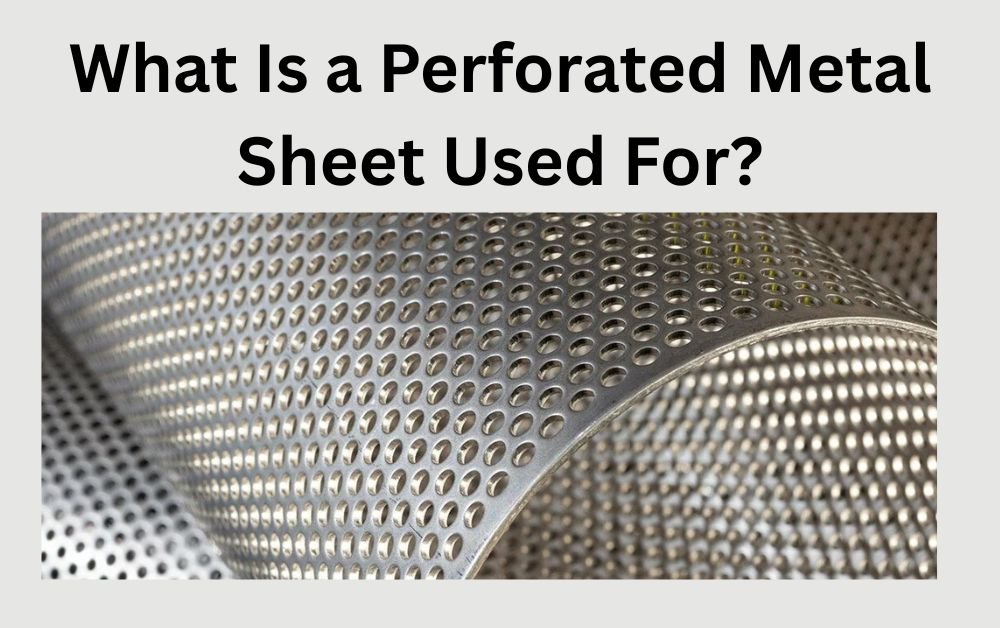
What Is a Perforated Metal Sheet Used For?
Perforated metal sheets are among the most versatile and widely used materials in modern engineering, architecture, and manufacturing. Characterized by their pattern of holes, slots, or decorative shapes punched into a metal surface, these sheets provide both aesthetic and functional benefits. From architectural facades to filtration systems, their application spans countless industries, offering durability, adaptability, and performance.
In this article, we’ll explore the various uses of perforated metal sheets, breaking down their role across key sectors, material options, and design flexibility.
Note: In urban infrastructure, Perforated Metal Sheet was utilized for efficient drainage and stylish fencing. Its corrosion resistance and custom patterns made it a preferred choice. SYDNEY METAL TRADING LLC provided dependable materials to meet strict project demands.
Understanding Perforated Metal Sheets
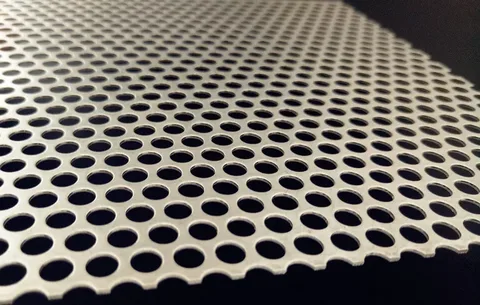
Perforated metal sheets are typically made from materials like aluminum, stainless steel, galvanized steel, brass, or copper. The perforations are created through several processes such as punching, laser cutting, or CNC-controlled operations. These holes can vary in size, shape, and pattern depending on the intended application.
The choice of material and perforation pattern influences the sheet’s strength, weight, airflow, light transmission, and acoustic properties.
Industrial Applications
Filtration and Separation
One of the most significant industrial uses of perforated metal sheets is in filtration and separation processes. These sheets are used as filter screens in chemical, food processing, and water treatment plants. Their perforated surfaces allow the passage of certain materials while blocking unwanted particles, making them essential in both solid-liquid and solid-gas separation.
In oil refineries and power plants, they are often found in centrifuges and separation equipment where strength and precision are critical.
Noise Control Systems
Perforated metal sheets play a vital role in noise control and acoustic engineering. When used in soundproof enclosures, speaker grilles, or acoustic panels, these sheets help absorb and diffuse sound waves. Their perforations can be engineered to target specific frequency ranges, making them ideal for controlling industrial noise or enhancing the sound quality in theaters and concert halls.
Machinery and Equipment Guards
In manufacturing environments, safety is paramount. Perforated sheets are commonly used as guards for machines, ventilation panels, and enclosures. These protective covers prevent accidental contact with moving parts while allowing airflow and visibility. Their high strength-to-weight ratio makes them suitable for rugged industrial use without compromising on safety.
Architectural and Design Applications
Building Facades and Cladding
Perforated metal sheets have gained popularity in modern architecture, especially for building facades and cladding. These sheets can create dynamic, visually appealing surfaces that provide solar shading, ventilation, and even privacy.
Designers can experiment with patterns, materials, and lighting to achieve stunning visual effects. Furthermore, perforated facades contribute to energy efficiency by reducing solar heat gain while maintaining airflow.
Interior Design Elements
In interior design, perforated metal sheets are utilized in ceiling panels, wall partitions, staircase railings, and furniture. The aesthetic flexibility of the material allows for creative patterns and finishes that suit both residential and commercial environments. Their combination of transparency and texture adds depth and sophistication to interior spaces.
Sunshades and Screens
Perforated metal is also used for external sunshades, louvers, and privacy screens. These structures are not only functional in blocking excessive sunlight and enhancing privacy but also add a modern touch to building exteriors. By controlling the amount of sunlight, they help regulate indoor temperatures and reduce energy consumption.
Automotive and Transportation
Vehicle Grilles and Components
In the automotive industry, perforated metal sheets are used in vehicle grilles, mufflers, ventilation systems, and engine components. Their strength and resistance to heat make them suitable for withstanding harsh engine environments. Additionally, perforated metal can be molded into various shapes, which is essential for automotive design.
Railway and Aerospace Applications
In railways and aerospace, where weight reduction and structural integrity are crucial, perforated metal sheets are used for ventilation systems, flooring, and decorative panels. Their light weight helps improve fuel efficiency without sacrificing durability or safety.
Agriculture and Food Processing
Grain Dryers and Sorters
Perforated metal sheets are integral to grain drying, sorting, and storage. In these applications, the holes allow air to circulate through grains or seeds while supporting their weight. This is critical for preventing spoilage and ensuring efficient drying.
Food Preparation Equipment
In the food industry, perforated metal sheets are used in sieves, cooking trays, and conveyor belts. Stainless steel, known for its hygiene and corrosion resistance, is the material of choice here. The perforations aid in draining, straining, or even cooking processes where airflow and liquid passage are necessary.
Environmental and Urban Infrastructure
Waste and Recycling Systems
Perforated metal sheets are widely used in recycling bins, waste sorting systems, and landfill filtration units. Their ability to separate materials and withstand rough handling makes them suitable for these demanding environments.
Urban Furniture and Infrastructure
Street furniture such as benches, lighting columns, bus shelters, and fencing often incorporate perforated metal for aesthetic appeal and practical benefits like ventilation and durability. Cities also use these sheets in stormwater drains and ventilation grates, where functionality meets visual design.
HVAC and Airflow Control
Perforated sheets play a critical role in heating, ventilation, and air conditioning (HVAC) systems. They are used in air diffusers, return air grilles, and ductwork to regulate airflow and ensure even distribution. Their ability to combine airflow control with noise attenuation makes them ideal for both residential and commercial HVAC applications.
Energy Sector
Renewable Energy Installations
In renewable energy, especially in solar panel mounting systems and wind turbines, perforated metal is used to support structures while minimizing wind resistance. Their design enables airflow without compromising on strength, which is vital for efficiency and safety in outdoor environments.
Oil and Gas Operations
Perforated metal sheets are used in drilling rigs, offshore platforms, and refineries. They function as filtration systems, protective covers, and structural supports. Their corrosion resistance, especially when made from stainless or galvanized steel, ensures longevity under extreme conditions.
Art and Creative Installations
Artists and sculptors increasingly incorporate perforated metal into public art installations and sculptures. The interplay of light and shadow through patterned holes can produce dramatic effects. Moreover, the material’s durability makes it suitable for outdoor and long-term exhibits.
Advantages of Using Perforated Metal Sheets
Perforated metal sheets offer a range of advantages that make them indispensable in various fields:
- Versatility: Suitable for countless applications from industrial to artistic.
- Durability: Resistant to corrosion, impact, and extreme weather.
- Customizability: Patterns, materials, and finishes can be tailored to project needs.
- Sustainability: Many sheets are recyclable and support energy-efficient building designs.
- Cost-effectiveness: Long lifespan and minimal maintenance reduce overall costs.
Conclusion
Perforated metal sheets are far more than simple panels with holes—they are precision-engineered materials that serve functional and decorative purposes across nearly every sector. Whether enhancing the aesthetic appeal of a building, improving industrial safety, or supporting complex filtration systems, these sheets are a testament to engineering innovation.
Their adaptability in design, material, and function makes them an essential component in today’s world. As industries continue to evolve and prioritize efficiency, sustainability, and design, the use of perforated metal sheets is only expected to grow.
Let me know if you’d like the article formatted for a blog, PDF, or if you want to add images, tables, or SEO optimization.
For more insightful articles related to this topic, feel free to visit: futuretechradar