

How to Clean a Huge Warehouse Floor in Under an Hour
Introduction: Why Efficient Warehouse Floor Cleaning Matters
If you’re in charge of maintaining a clean and safe warehouse environment, you know how quickly dirt, dust, grease, and debris can accumulate. Not only does a clean warehouse look more professional, but it also ensures a safer working environment for employees. However, cleaning a large warehouse floor can be time-consuming and exhausting. What if we told you that it’s possible to get the job done in under an hour?
In this post, we’ll show you how to clean your warehouse floor effectively and efficiently, saving you both time and effort. With the right tools, a systematic approach, and a bit of know-how, you can get your warehouse floor spotless without spending all day on it.
Why is it Important to Clean Your Warehouse Floor Regularly?
Cleaning warehouse floors may seem like a chore, but it’s more than just aesthetics. A clean floor is an essential part of maintaining a safe, functional, and efficient warehouse. Here’s why:
- Safety First: A slippery floor can lead to serious accidents. Regular cleaning helps eliminate hazards such as spills, dust, and debris.
- Long-Term Floor Maintenance: Dirt, grease, and grime can damage floors over time, leading to costly repairs. Routine cleaning preserves the lifespan of your flooring.
- Compliance and Health Standards: Many warehouses operate in industries with strict health and safety standards. Keeping floors clean helps you comply with these regulations.
According to the U.S. Department of Labor, slip and fall accidents account for over 15% of all workplace injuries. In high-traffic environments like warehouses, a dirty or oily floor can increase the risk of slips, trips, and falls.
Tools You’ll Need to Clean Your Warehouse Floor Efficiently
Cleaning a large warehouse floor in under an hour requires the right equipment. Here’s a list of tools that will help you clean efficiently:
- 1500 PSI Pressure Washer: This high-powered washer is perfect for removing stubborn dirt, grease, and grime from your warehouse floor. With 1500 PSI, you can effectively clean large areas without wasting time or water.
- Power Wash Gun: A reliable power wash gun is essential for directing water and cleaning agents with precision. It helps target specific areas without spreading dirt around.
- Industrial Broom or Push Sweeper: Sweeping up loose debris before using the pressure washer is essential. A large industrial broom or a motorized push sweeper can speed up this process.
- Degreaser or Floor Cleaner: A heavy-duty degreaser is perfect for floors covered with grease or oil, particularly in areas near machinery.
- Floor Scrubber: If your warehouse floor is extremely dirty, a floor scrubber can be useful for applying cleaner and agitating the surface.
Step 1: Prepare the Area
Before starting, it’s important to clear the area of any large obstacles, pallets, or materials. This will ensure that you can clean the entire floor without obstruction.
- Remove Items from the Floor: Move any large items or machinery that might get in the way of your cleaning process.
- Sweep or Use a Push Sweeper: Start by sweeping up any loose dirt, dust, or debris from the floor. For larger warehouses, using a motorized push sweeper can save time and energy.
- Inspect the Floor for Oil or Grease Spills: If you find any oil or grease spills, apply a degreaser to these areas and let it sit for a few minutes before rinsing.
Step 2: Use the 1500 PSI Pressure Washer
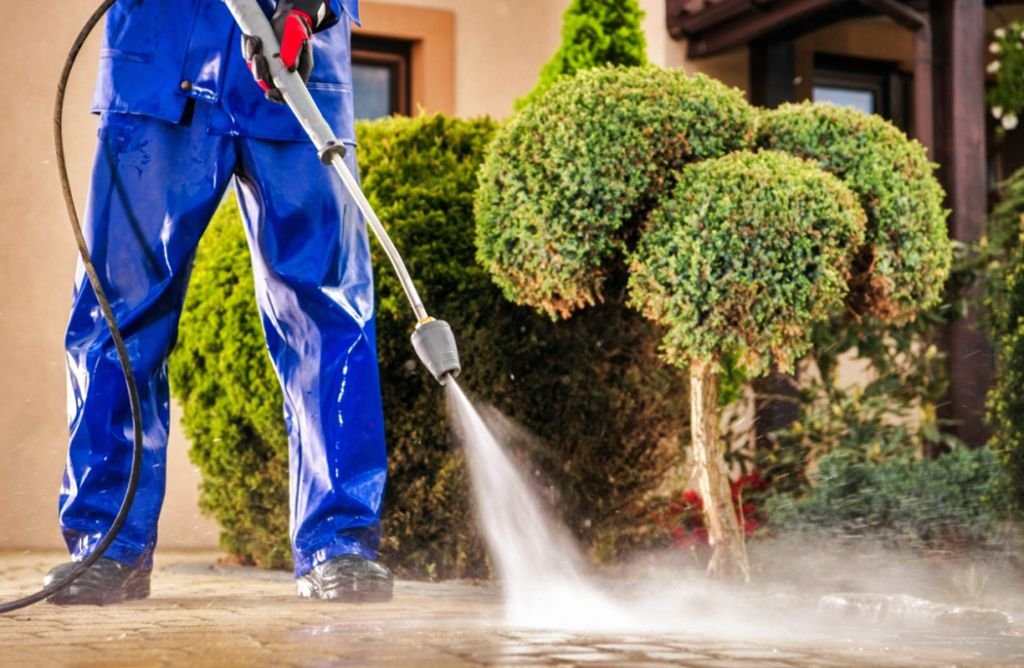
Now that the area is clear of large debris, it’s time to break out the pressure washer. A 1500 PSI pressure washer is ideal for this task, providing just the right amount of pressure to remove stubborn dirt without damaging the floor. Follow these steps:
- Attach the Power Wash Gun: Ensure that the power wash gun is securely attached to the pressure washer.
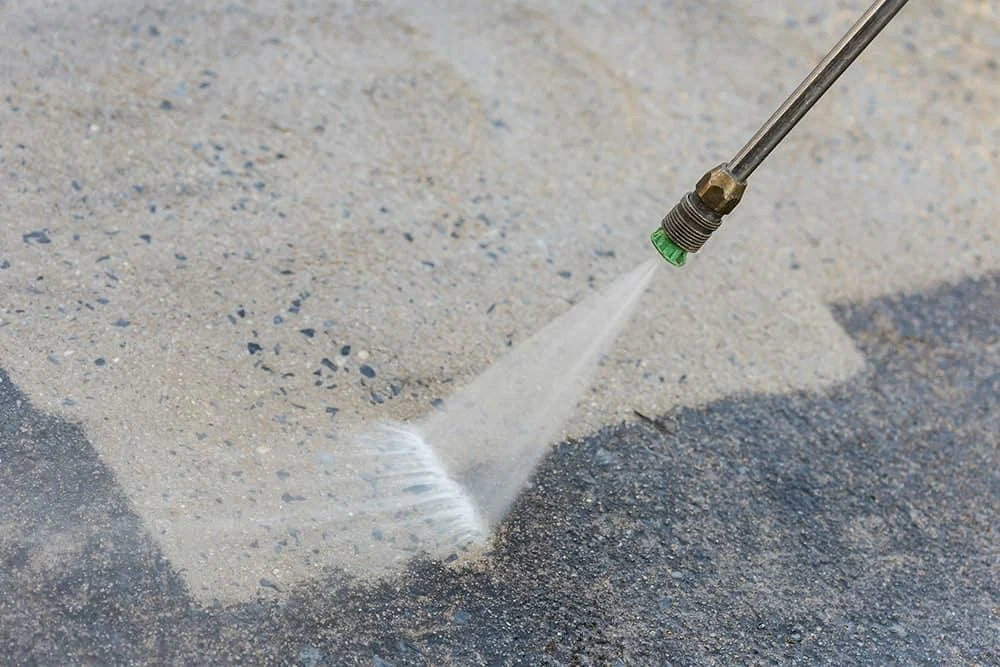
- Set the Right Nozzle: For large warehouse floors, a wide-angle nozzle is best for covering a larger surface area.
- Start from the Back Corner: Begin in a corner of the warehouse and work your way out toward the exit to avoid stepping on freshly cleaned floors.
- Use Slow and Steady Strokes: Move the power wash gun slowly, allowing the pressure to lift dirt and grime effectively. Don’t rush the process—cover every inch of the floor to get the best results.
- Keep the Gun at the Right Distance: Hold the power wash gun about 6 to 12 inches from the floor to avoid causing damage while maintaining optimal cleaning power.
Step 3: Apply a Degreaser for Heavy Stains
If your warehouse has oil or grease stains, a pressure washer alone won’t be enough. You’ll need to apply a degreaser.
- Spray Degreaser: Use a heavy-duty degreaser to treat grease stains. Let it sit for 5-10 minutes, depending on the severity of the stain.
- Scrub the Area: Use a floor scrubber or a stiff-bristle brush to scrub the affected area. The degreaser will break down the grease, making it easier to remove.
- Pressure Wash Again: After scrubbing, go over the area again with your pressure washer to rinse away the cleaner and grime.
Step 4: Focus on High-Traffic Areas
High-traffic areas, such as aisles and entrances, tend to accumulate more dirt and grime. These areas may need extra attention.
- Use the Power Wash Gun to Target Specific Spots: You can use your power wash gun to focus on specific spots that are particularly dirty.
- Add Extra Degreaser: For stubborn spots, don’t hesitate to add more degreaser and scrub them down before rinsing.
Step 5: Dry the Floor
After pressure washing, your floor will likely be wet. To avoid creating slip hazards, it’s essential to dry the floor as quickly as possible.
- Use a Squeegee: For small to medium-sized areas, a heavy-duty squeegee can help you push excess water toward the drains.
- Ventilate the Area: Open any doors or windows to allow air to circulate, speeding up the drying process.
- Use Fans for Large Areas: If your warehouse is especially large, use industrial fans to accelerate drying time.
Step 6: Final Inspection
Once the floor has dried, do a final inspection to make sure everything is clean. Look for any areas that may need a second round of cleaning or extra attention.
- Check for Stubborn Spots: Examine areas that may have missed the initial cleaning. These spots can be cleaned using a handheld wash gun.
- Ensure No Water Puddles Are Left Behind: Puddles can be a safety hazard, so make sure all water is cleared from the floor.
Additional Tips for Maintaining a Clean Warehouse Floor
- Regular Maintenance: Regularly sweep and clean the floor to prevent dirt from building up.
- Routine Deep Cleans: While daily maintenance is crucial, doing a deep clean with a pressure washer and degreaser should be scheduled monthly or quarterly.
- Train Employees: Educate your employees on the importance of keeping the floor clean and encourage them to report any spills or issues promptly.
FAQ
Q1: How often should I clean my warehouse floor?
A: Regular maintenance, like sweeping, should be done daily or weekly, depending on the level of traffic. A deep clean should be scheduled quarterly or monthly.
Q2: Can I clean my warehouse floor without a pressure washer?
A: While it’s possible, using a 1500 PSI pressure washer will speed up the cleaning process and provide better results, especially for large, dirty floors.
Q3: How do I get rid of stubborn grease stains?
A: Apply a degreaser to the stains, let it sit for a few minutes, scrub with a brush, and rinse with your pressure washer.
Q4: Is it safe to clean my warehouse floor with a pressure washer?
A: Yes, a 1500 PSI pressure washer is ideal for cleaning warehouse floors. Just make sure to use the right nozzle and distance to avoid damaging the floor.
Q5: How can I prevent my warehouse floor from getting dirty again?
A: Regular sweeping, placing mats near entrances, and cleaning up spills immediately can help keep your floor cleaner for longer.