

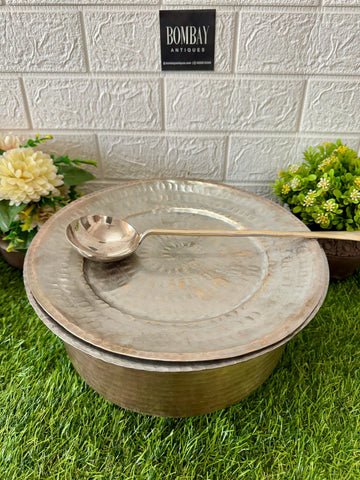
Antique Cooking Utensils for Modern Kitchens
In a world dominated by sleek non-stick pans and automated kitchen gadgets, there’s a growing nostalgia for the tools of the past. Enter antique cooking utensils objects that once stood as daily essentials in the kitchens of our ancestors, now cherished not only for their function but also for their form, story, and charm. These vintage culinary tools carry with them tales of generations, evolving cuisines, and time-honored traditions.
Whether you’re a home chef, a collector, or simply someone who appreciates the rustic elegance of old-world kitchens, antique cooking utensils offer more than just aesthetic pleasure. They symbolize craftsmanship, durability, and a profound connection to history. This post dives deep into the world of antique kitchen tools—from their types and uses to how to collect, restore, and incorporate them into your modern-day kitchen.
Why Antique Cooking Utensils Still Matter
Antique utensils are not just relics; they’re pieces of practical art. Many vintage kitchen tools were handcrafted with precision and meant to last a lifetime, often outlasting their modern counterparts in both durability and performance. But why are they still relevant?
1. Unmatched Craftsmanship
Before mass production and disposable culture took over, tools were made with care. Blacksmiths forged cast iron pans; potters hand-shaped ceramic bowls. These items were built to endure daily use for decades, sometimes centuries.
2. Unique Aesthetics
Antique cooking utensils bring a rustic, warm, and earthy appeal to kitchens. Wooden ladles with smooth patinas, brass pots with engravings, or hand-hammered copper pans are conversation starters and statement pieces.
3. Better Cooking Performance
Believe it or not, many chefs argue that cast iron skillets or copper-bottomed pots from a century ago outperform today’s factory-made cookware. Antique tools often retain heat better and offer more balanced cooking.
4. Sustainability
Using and preserving old tools instead of constantly buying new ones aligns perfectly with eco-conscious living. Less waste, more reuse.
Popular Types of Antique Cooking Utensils
Let’s take a look at some of the most coveted and commonly found vintage kitchen tools:
1. Cast Iron Skillets and Griddles
Cast iron cookware from brands like Griswold or Wagner are collector favorites. These skillets can be over 100 years old and still cook like a dream. They’re ideal for searing, frying, baking, and roasting.
2. Copper Pots and Pans
Highly conductive and beautiful, copper pans often came with tin linings and brass handles. French copper cookware from the 19th and early 20th centuries is particularly prized.
3. Brass Cooking Pots
Used widely in Indian and Middle Eastern cooking, antique brass pots were traditionally used for preparing curries, rice dishes, and milk-based recipes. Their heat retention and even cooking made them a kitchen essential.
4. Hand-Crank Egg Beaters
Before electric mixers, these ingenious devices helped whip eggs or mix batter by hand. Many came with wooden handles and nickel-plated gears.
5. Wooden Utensils
Spoons, ladles, rolling pins, and dough bowls made of hardwood are commonly found antiques. The more worn and smooth the surface, the more it was likely loved and used.
6. Mortar and Pestle
These heavy tools were essential for grinding spices, herbs, and seeds. Granite, marble, or cast iron versions from old-world kitchens are still found in antique markets.
7. Graters, Slicers & Mincers
From hand-cranked meat grinders to box graters, many of these tools were handmade or featured unique regional designs.
Collecting Antique Cooking Utensils: Tips for Beginners
The beauty of collecting vintage kitchenware lies in its accessibility. You don’t have to spend thousands to start. A simple hand-forged spoon or a chipped ceramic mixing bowl could be your gateway into the world of culinary antiques.
Here’s how to begin:
1. Start Small
Begin with inexpensive pieces like wooden spoons, butter molds, or tin measuring cups. These are easy to find at flea markets and estate sales.
2. Know What You’re Buying
Familiarize yourself with hallmark brands and materials. Griswold, Wagner, and Le Creuset are well-known vintage names. Avoid heavily rusted or damaged pieces unless you enjoy restoration.
3. Go Local
Many towns have flea markets, vintage stores, and auctions where antique utensils turn up unexpectedly. Don’t underestimate your grandma’s kitchen either!
4. Join Collector Communities
Online forums, Facebook groups, and Instagram communities are full of fellow collectors who share finds, tips, and appraisals.
Caring for Antique Kitchen Tools
While these tools are sturdy, they need proper care to maintain their beauty and function.
1. Cleaning
Avoid modern dishwashers. Use mild soap and hand-clean only. For wood, use mineral oil or beeswax to prevent drying and cracking.
2. Restoration
Cast iron pans can be re-seasoned with oil and baked in the oven. Brass and copper can be polished using natural cleaners like lemon juice and salt.
3. Storage
Display your items in open shelves or racks. Keep them dry to avoid rust or mildew.
4. Use Them!
There’s no better way to honor an antique than by using it for its original purpose. Cook with it, display it, or even pass it down.
How to Style Antique Utensils in a Modern Kitchen
Antique utensils are not just functional—they’re beautiful. Here are creative ways to integrate them into your kitchen decor:
- Wall Displays: Hang copper pans or vintage ladles on hooks for a farmhouse-chic look.
- Open Shelving: Stack iron skillets or wooden bowls on rustic wooden shelves.
- Glass Jars & Crocks: Store old wooden spoons or rolling pins in vintage stoneware jars.
- Shadow Boxes: Frame unique tools like old graters or hand beaters.
- Centerpieces: Use antique molds or bowls as table centerpieces filled with fruits or flowers.
Stories Behind the Tools: Cultural Significance
Each culture has its own culinary heritage expressed through its kitchen tools:
- India: The “parat” (large brass mixing plate), “kadhai” (deep frying pan), and spice boxes or “masala dabbas” have centuries of tradition.
- Japan: Tools like the suribachi (mortar) and oroshigane (grater) are elegantly simple and incredibly functional.
- Europe: French butter paddles, German bread slicers, and Italian pasta rollers highlight the diversity and specialization in old-world kitchens.
Investing in Antique Utensils: Are They Worth It?
While some people collect for passion, others see antique cooking utensils as a wise investment. Rare items in excellent condition can fetch significant value in auctions and online marketplaces. A Griswold cast iron skillet in mint condition can sell for hundreds of dollars.
Factors that influence value:
- Brand & Maker Marks
- Rarity
- Condition
- Patina (the right kind, not just rust!)
- Functional Integrity
However, the real value often lies in the joy of discovery, the beauty of preservation, and the stories they carry.
Where to Find Antique Cooking Utensils
Here’s a list of places you can explore:
- Bombay Antiques
- Antique Stores
- Online Marketplaces (Bombay Antiques, eBay, Etsy, Ruby Lane)
- Auctions
- Garage Sales & Thrift Stores
- Family Heirlooms
The Legacy of Antique Cooking Utensils
In a fast-paced digital age, antique cooking utensils offer a grounding presence — a reminder of a simpler, slower time when meals were made from scratch and tools were passed down with love.
Whether you use them to cook, display, or collect, antique cooking utensils bring soul to your kitchen. They whisper stories of past generations, meals shared, and traditions upheld. And in doing so, they make every kitchen feel a little warmer, a little more human, and endlessly inspiring.
So next time you come across a weathered ladle or a rusty old pan, don’t dismiss it. You may just be holding a piece of history and the beginning of a new culinary adventure.