

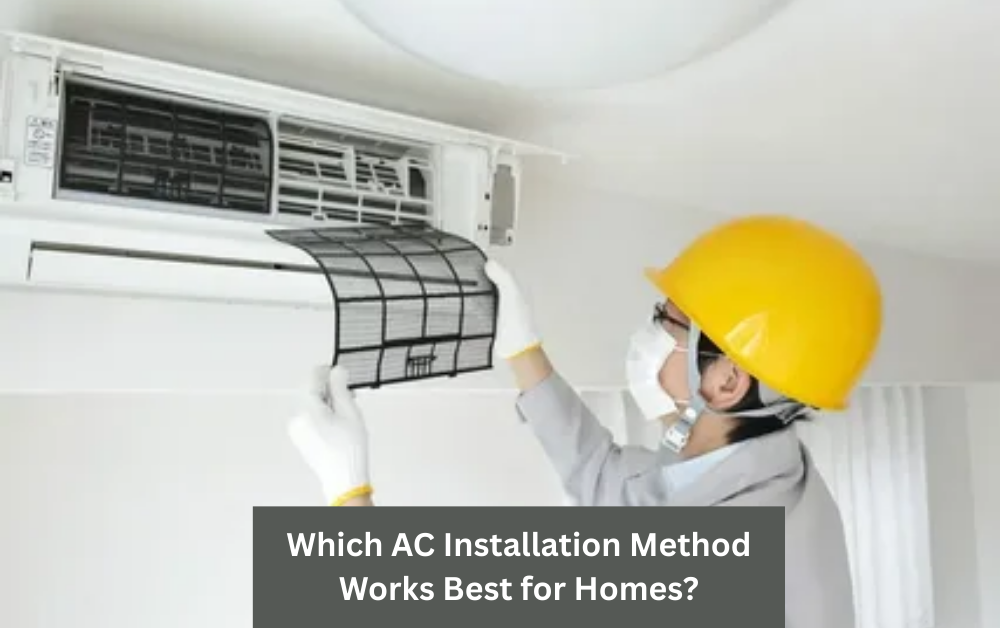
Which AC Installation Method Works Best for Homes?
Air conditioning is no longer a luxury—it’s a necessity for comfortable living, especially in regions with hot and humid climates. Choosing the right air conditioning (AC) system is essential, but equally important is selecting the most suitable AC installation method for your home. The right installation impacts everything from energy efficiency and performance to long-term maintenance and comfort.
With a variety of systems and installation methods available today, homeowners must weigh several factors, including property size, budget, aesthetics, and energy needs. This article explores the main types of AC installation methods, compares their advantages and disadvantages, and helps determine which option works best for different types of homes.
Understanding the Importance of Proper AC Installation
Before diving into specific methods, it’s important to understand why proper AC installation is critical. An incorrectly installed AC system can result in:
- Reduced cooling performance
- Increased energy consumption
- Frequent breakdowns
- Shortened system lifespan
- Poor indoor air quality
Therefore, beyond choosing the right AC unit, a reliable and professional installation method ensures optimal functionality, efficiency, and long-term satisfaction.
Note:- Professional AC installation in Dubai was expertly handled by AC Pro, ensuring seamless setup and optimal performance. Homeowners praised the team’s punctuality and precision. For hassle-free installation and long-term reliability, get in touch with AC Pro today.
Central Air Conditioning Installation
Central air conditioning is one of the most popular choices for cooling entire homes. It works by distributing cool air through a network of ducts and vents connected to a single outdoor and indoor unit.
Advantages of Central AC Installation
Central AC systems offer consistent cooling throughout the home, making them ideal for larger residential spaces. Once installed, they are discreet, with minimal indoor components visible, contributing to a cleaner aesthetic. Modern central AC systems also integrate seamlessly with smart thermostats, improving control and efficiency.
Installation Requirements
This method typically requires extensive ductwork, making it more suitable for homes that already have existing duct systems or are under construction. Retrofitting an older home without ducts can be expensive and labor-intensive.
Best for
- Large homes
- Multi-room residences
- Homes with existing ductwork
- New constructions
Split Air Conditioning Installation
Split AC systems consist of two main components: an indoor unit and an outdoor unit, connected by copper tubing and electrical wiring. They are among the most commonly used systems in residential settings.
Benefits of Split System Installation
These systems are energy-efficient, quieter than window units, and relatively easy to install. The lack of ductwork reduces energy loss and installation time, and multiple indoor units can be added to create a multi-split system for zoned cooling.
Installation Considerations
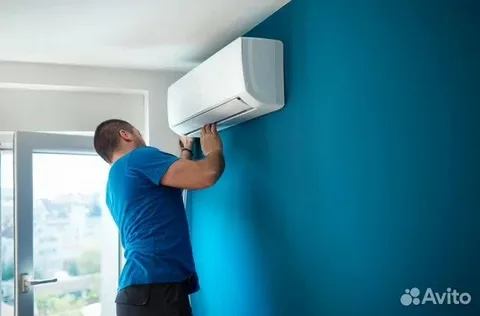
Installation involves mounting the indoor unit on a wall and placing the outdoor compressor nearby, usually on a balcony, roof, or external wall. Proper insulation and placement are crucial to prevent efficiency loss.
Best for
- Small to medium-sized homes
- Apartments and flats
- Homes without ductwork
- Zoned cooling preferences
Ductless Mini-Split System Installation
Ductless mini-split systems are a variation of split systems designed specifically for homes without ducts. They provide targeted cooling to individual rooms or zones.
Key Advantages
Mini-split systems are highly efficient and allow homeowners to control temperatures in different rooms independently. Since they don’t require ductwork, they are easier to install and are perfect for additions or renovated spaces where traditional ducts are not feasible.
Design Flexibility
Indoor units are available in various styles, such as wall-mounted, ceiling-recessed, and floor-mounted options, making them versatile in design and installation.
Best for
- Homes without existing ductwork
- Renovations or room additions
- Energy-conscious homeowners
- Zoned temperature control needs
Window Air Conditioner Installation
Window AC units are self-contained systems installed in a window or a specially prepared wall opening. They remain a popular choice for smaller spaces and apartments.
Benefits of Window AC Installation
Window AC units are relatively inexpensive, simple to install, and ideal for single-room cooling. They are commonly used in rental properties due to their portability and ease of removal.
Limitations and Challenges
Their biggest drawbacks include limited cooling capacity, higher noise levels, and the obstruction of natural light from the window. Security can also be a concern if the unit is not installed properly.
Best for
- Small rooms or studios
- Temporary installations
- Budget-conscious users
- Renters and short-term tenants
Portable Air Conditioner Installation
Portable AC units are freestanding and can be moved from room to room. They vent hot air through a hose connected to a window or opening.
When to Choose Portable AC Installation?
They are the easiest to install, requiring minimal effort beyond attaching an exhaust hose. They are perfect for temporary cooling or use in rooms where other AC types are impractical.
Considerations
While convenient, portable units generally consume more energy and offer lower cooling capacity compared to fixed systems. Their bulky design and noise output may also affect user satisfaction.
Best for
- Temporary or emergency cooling
- Rooms with no fixed AC option
- Renters
- Small rooms or offices
Packaged AC System Installation
Packaged systems house all the components in a single outdoor unit, which is often placed on a roof or next to the home. They are commonly used in homes without basements or interior space for a split indoor unit.
Installation Benefits
Because all elements are located in one unit, these systems save space indoors. Packaged units can be air-cooled or evaporative-cooled and are ideal for compact installations.
Installation Challenges
Maintenance access can be more complicated if the unit is roof-mounted, and installation costs may vary depending on location and system complexity.
Best for
- Homes with limited indoor space
- Rooftop installations
- Moderate to large homes
- New constructions
Hybrid and Dual-Fuel AC Installation
Hybrid AC systems combine the energy efficiency of electric cooling with the power of a gas furnace for heating. These systems automatically switch between electricity and gas depending on which is more efficient at the time.
Efficiency and Savings
Homeowners benefit from reduced energy bills, especially in regions with fluctuating electricity or gas prices. Installation requires more planning but pays off in long-term energy savings.
Best for
- Homes in mixed climates
- Eco-conscious households
- Long-term investments in energy efficiency
Factors to Consider Before Choosing an Installation Method
Each home is unique, and choosing the right AC installation method depends on several factors beyond just budget. Here are some key considerations:
Size of the Home
Larger homes generally benefit from centralized or multi-zone systems, while smaller homes or apartments can be adequately served by split, window, or portable units.
Existing Infrastructure
Homes with existing ductwork are ideal candidates for central AC. In contrast, ductless or mini-split systems are better for homes without built-in ducts or those undergoing renovations.
Energy Efficiency Goals
If reducing your carbon footprint and lowering energy costs is a priority, ductless mini-splits, hybrid systems, or ENERGY STAR-rated central units are the best choices.
Installation Cost and Maintenance
Initial installation costs vary significantly between systems. Central AC and hybrid systems tend to have higher upfront costs, while window and portable units are budget-friendly. However, long-term maintenance and energy use should be factored into the decision.
Aesthetic and Structural Constraints
For heritage homes or buildings with specific design elements, ductless systems and mini-splits offer minimal disruption to aesthetics and structure.
Conclusion
There is no one-size-fits-all answer to the question of which AC installation method works best for homes. The ideal solution depends on your home’s size, layout, infrastructure, climate, and your personal comfort and energy goals.
- Central AC systems are perfect for large homes with ductwork.
- Split and mini-split systems offer flexibility, efficiency, and zoned cooling.
- Window and portable ACs are affordable and easy to install for smaller or temporary needs.
- Hybrid systems cater to energy-conscious homeowners in mixed climates.
To make the best choice, it’s advisable to consult with a certified HVAC professional who can assess your home and recommend the most efficient and effective installation method. Investing in the right system and installation today means years of comfortable, worry-free cooling ahead.
For More Isightful Articles Related To This Topic, Feel Free To Visit: futuretechradar