

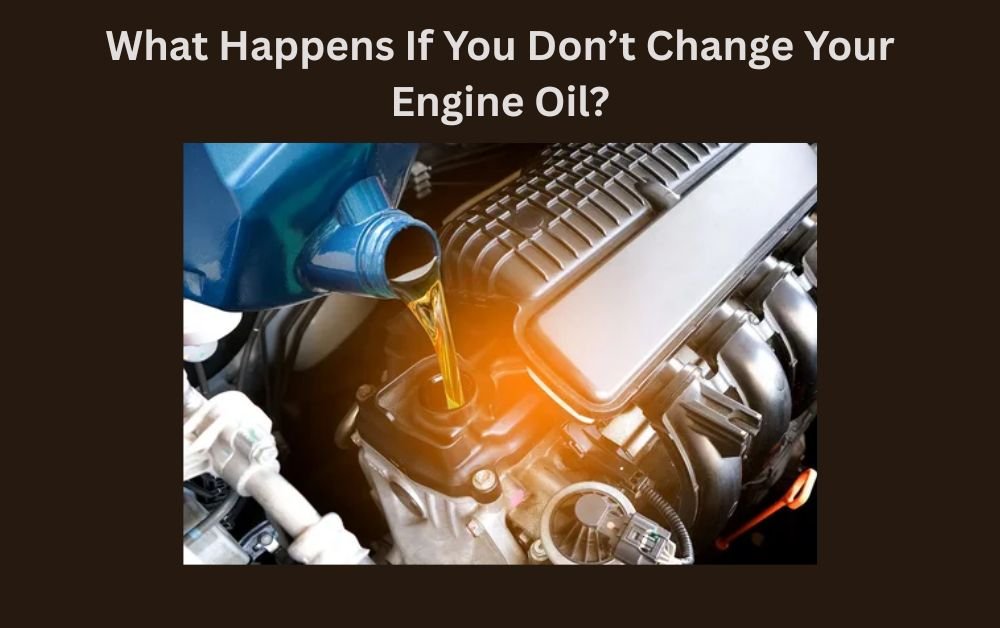
What Happens If You Don’t Change Your Engine Oil?
Introduction
Maintaining your vehicle is crucial for its long-term performance and reliability. One of the most essential tasks to keep your car running smoothly is engine oil change . Engine oil lubricates the engine’s moving parts, reduces friction, and helps prevent overheating. However, many car owners overlook the importance of regularly changing the oil. Let’s take a deeper look at what happens if you don’t change your engine oil.
Why Is Engine Oil Important?
Before we discuss the consequences of not changing your engine oil, it’s important to understand its role in the engine. Engine oil is responsible for lubricating the engine’s moving parts. It reduces friction between these parts, which helps to prevent wear and tear.
Engine oil also helps to keep the engine clean by trapping dirt, dust, and metal particles that can accumulate during operation. It acts as a cooling agent by carrying heat away from the engine’s vital components. Without enough clean oil, the engine cannot function properly, which can lead to serious damage.
Signs That You Need an Oil Change
Before your car suffers from the effects of old oil, there are several signs that it may be time for an oil change:
- Dashboard warning light: Modern cars have an oil change indicator on the dashboard. If the light comes on, it’s time to check the oil level.
- Engine noise: If you hear knocking or grinding noises from the engine, it could mean that the oil is too old or low.
- Exhaust smoke: If your car produces smoke from the exhaust, it could be a sign that the oil is burning, which could cause further damage.
- Sluggish performance: If the car isn’t running as smoothly as usual, or if it feels like the engine is underperforming, it might be because the oil isn’t doing its job properly.
What Happens to the Engine Without Proper Oil Changes?
Not changing your engine oil on time can cause several problems that may lead to costly repairs. These problems can also shorten the life of your vehicle. Here’s what can happen:
1. Engine Overheating
The engine is made up of many moving parts that generate a lot of heat. Engine oil acts as a coolant by absorbing heat and dissipating it away from sensitive parts. When the oil is old and thick, it becomes less effective at carrying heat away. This can result in the engine overheating. An overheating engine can cause serious damage, such as warped parts or even a complete engine failure.
2. Increased Friction and Wear
Fresh oil provides a smooth layer of lubrication for the engine’s moving parts. However, as oil ages, it loses its viscosity, meaning it becomes thinner and less effective. Old oil also becomes dirty and full of particles from engine wear. Without proper lubrication, the parts inside the engine will start to rub against each other, causing increased friction. This friction leads to more wear and tear on the engine’s components, reducing its lifespan.
3. Engine Sludge Formation
Over time, oil breaks down and picks up impurities, which can form a thick, sticky substance known as engine sludge. Sludge can build up inside the engine, blocking oil passages and preventing oil from reaching critical parts. When this happens, the engine is not properly lubricated, and parts can overheat and wear out much faster. In some cases, engine sludge can cause the engine to seize completely, requiring a costly replacement.
4. Decreased Fuel Efficiency
If your oil is old and dirty, the engine has to work harder to function properly. This extra strain can lead to a drop in fuel efficiency. The engine will consume more fuel than necessary to maintain its performance. Over time, this can add up to significant fuel costs.
5. Corrosion of Engine Parts
Fresh oil helps protect the engine from rust and corrosion. It forms a protective barrier around metal parts, preventing moisture from causing rust. However, old, contaminated oil loses its ability to protect the engine, leaving parts exposed to moisture. This can lead to corrosion, which weakens the engine and may require expensive repairs or replacements.
Can You Drive Your Car Without Changing the Oil?
While it’s technically possible to drive your car without changing the oil, it’s not recommended. Your car will eventually start showing signs of poor performance, and if the oil is not changed, the damage will continue to worsen. Ignoring oil changes can lead to costly repairs, and in extreme cases, the engine may fail entirely, leaving you with a very expensive problem.
How Often Should You Change Your Engine Oil?
The frequency of oil changes depends on your car’s make and model, as well as the type of oil used. Some newer cars can go longer between oil changes, with intervals ranging from 5,000 to 10,000 miles. However, older cars may require more frequent changes, typically every 3,000 miles or so.
It’s always best to consult your vehicle’s owner’s manual for specific recommendations on when to change your engine oil. If you’re unsure, it’s safer to change the oil more frequently than to let it go too long.
The Cost of Ignoring Oil Changes
The cost of changing engine oil regularly is relatively low, especially when compared to the potential costs of neglecting oil changes. A typical oil change can cost anywhere from $20 to $60, depending on the type of oil and where you get the service. On the other hand, if you ignore oil changes and the engine becomes damaged, you could face repair bills ranging from hundreds to thousands of dollars.
1. Minor Repairs
If the oil change is neglected for a short period, it may lead to minor repairs like replacing a clogged oil filter or adding oil. These repairs are often affordable and prevent further damage.
2. Major Engine Repairs
If the oil has not been changed for a long time, the engine may suffer major damage. This could result in the need to replace parts like the timing belt, pistons, or even the entire engine. Major engine repairs are costly, and in some cases, it might be cheaper to replace the engine than to repair it.
How to Keep Your Engine Oil in Top Condition
To avoid the negative effects of not changing your oil, it’s important to take care of your engine oil. Here are some tips to ensure your oil stays in good condition:
- Check the oil regularly: Make sure the oil level is correct. Low oil levels can cause the engine to overheat and wear out faster.
- Use the right oil: Always use the oil recommended by the manufacturer. Using the wrong oil can cause damage to your engine.
- Change the oil filter: Every time you change your oil, also replace the oil filter to ensure clean oil circulates through the engine.
- Monitor the oil’s color and texture: Fresh oil is usually amber in color and smooth. If the oil becomes dark and thick, it’s time to change it.
Conclusion
Changing your engine oil regularly is one of the most important things you can do to maintain the health of your car. It helps keep the engine lubricated, prevents overheating, and reduces the risk of costly repairs. By staying on top of oil changes and paying attention to the signs of worn-out oil, you can ensure your car runs smoothly for many years to come. Don’t wait until it’s too late – make oil changes a part of your routine car maintenance schedule!
For more insightful articles related to this topic, feel free to visit futuretechradar.com