

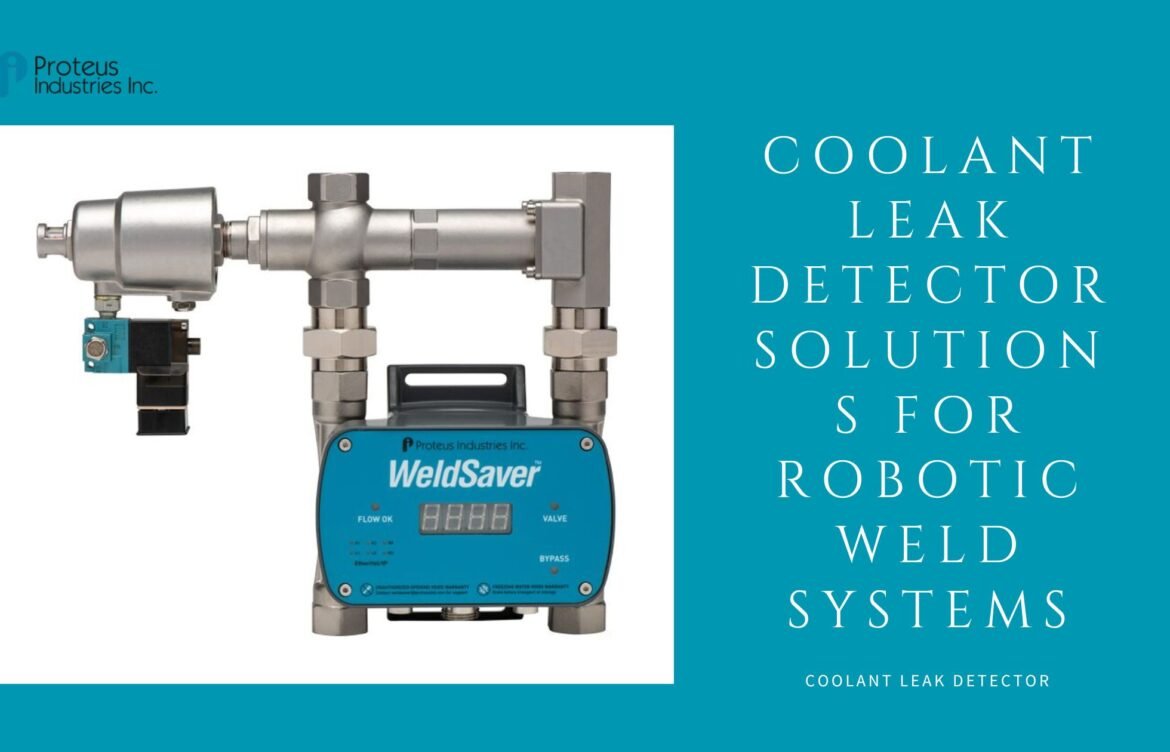
Coolant Leak Detector Solutions for Robotic Weld Systems
Robotic welding systems are at the heart of modern manufacturing operations, offering speed, consistency, and precision. These high-performance systems often rely on water-cooled welding equipment is maintain optimal operating temperatures and prevent overheating. But with water-based cooling systems comes the risk of leaks—a risk that can lead to damaged weld guns, costly equipment failures, and unscheduled downtime.
One of the most effective ways to mitigate this risk is by integrating a coolant leak detector into your robotic welding line. These detectors help identify and respond to leaks in real time, safeguarding not only the welding tools but also the entire production process. One such advanced solution is the WeldSaver 5 Passport Series by Proteus Industries, which offers a smart, responsive approach to coolant flow monitoring and leak detection in industrial environments.
This article explores how coolant leak detection technology works, why it’s vital in robotic welding systems, and what to look for when choosing the right solution for your facility.
Why Coolant Is Robotic Welding
Water-based cooling systems are commonly used in robotic welding cells because welding generates a significant amount of heat. Components such as weld guns, transformers, and cables are all susceptible to heat damage if not properly cooled. Continuous circulation of coolant ensures these parts operate within safe temperature ranges.
However, coolant systems are not fail-proof. Tubing can crack, fittings can loosen, and leaks can develop from normal wear and tear. Even a minor leak can compromise weld quality or damage expensive equipment.
This is where a coolant leak detector becomes essential—allowing for rapid identification of issues before they escalate.
How a Coolant Leak Detector Works
Coolant leak detectors typically use flow sensing technology to monitor the rate of coolant circulation in real-time. When a leak causes an unexpected drop in flow or pressure, the detector sends a signal to alert operators—or automatically shuts down the welding system to prevent damage.
Here are some of the key functions of a modern coolant leak detection system:
1. Flow Rate Monitoring
A stable flow rate is essential for effective cooling. Detectors monitor the incoming and outgoing flow of coolant to ensure consistency. Any significant deviation may indicate a leak or obstruction.
2. Leak Response Integration
Advanced systems are tied into the machine’s logic controller (PLC). Upon detecting a leak, the system can trigger a controlled stop to the weld process, preserving the equipment from overheating.
3. Real-Time Alerts
Alarms and visual indicators provide immediate feedback to technicians, allowing for quick inspection and resolution.
4. Data Logging
Some systems record flow data over time, helping maintenance teams analyze patterns and schedule proactive repairs.
Features to Look For in a Leak Detection Solution
Not all coolant leak detectors are created equal. When evaluating options for your robotic welding systems, consider the following critical features:
A. Precision Flow Sensing
Look for devices with high-accuracy sensors capable of detecting even subtle drops in flow. Precision is key to minimizing false alarms while ensuring timely intervention.
B. Fast Leak Detection and Shutdown
The faster a system can detect a leak and stop the process, the less chance there is for equipment damage. Some systems can trigger a shutdown in under a second, minimizing risk dramatically.
C. Built-In Diagnostics
Detectors that offer self-diagnostics can alert operators not only to leaks but also to sensor malfunctions or flow irregularities unrelated to leaks.
D. Customizable Settings
Your system should allow you to program specific flow thresholds and alerts, tailored to the requirements of different welding processes or equipment.
E. Durability in Harsh Environments
Industrial settings are tough on equipment. Ensure your coolant leak detector is built with rugged materials and sealed against moisture and debris.
Applications in Robotic Welding Systems
Leak detection is especially critical in robotic weld cells, where automation means that small problems can go unnoticed until they cause significant damage. Here’s where coolant leak detection is typically applied:
- Robotic Spot Welding Guns: These tools rely heavily on water cooling. Detecting leaks prevents tip burn and overheating.
- Servo-Driven Welders: Motors can be water-cooled and require constant flow to maintain performance.
- Multi-Gun Stations: Larger systems may use several weld guns at once, requiring comprehensive flow monitoring.
- Quick-Change Weld Tools: Leak detection ensures safe tool changes without residual water damage.
By monitoring coolant flow and alerting operators at the first sign of trouble, leak detection systems help maintain consistency, reduce wear on components, and extend the life of welding equipment.
Real-World Benefits of Leak Detection
The integration of coolant leak detectors has clear advantages for manufacturers:
- Improved Equipment Lifespan: Early leak detection prevents heat-related damage and corrosion.
- Higher Weld Quality: Consistent cooling ensures reliable, defect-free welds.
- Reduced Downtime: Proactive responses minimize production disruptions.
- Lower Maintenance Costs: Preventative maintenance costs far less than emergency repairs or replacements.
- Enhanced Safety: Early alerts prevent unsafe conditions for staff.
In competitive manufacturing environments where uptime and product quality are non-negotiable, coolant leak detectors represent a smart investment in operational excellence.
Conclusion
Robotic welding systems are powerful tools, but they also come with inherent risks—especially when it comes to coolant management. The minor leaks can lead to serious damage, downtime, and lost productivity. A properly installed coolant leak detector serves as your first line of defense, ensuring that your systems stay safe, efficient, and operational.
For manufacturers seeking intelligent and reliable solutions, the WeldSaver 5 Passport Series by Proteus Industries offers an advanced approach to coolant monitoring and leak detection. With built-in flow sensing, customizable thresholds, and rapid response capabilities, it’s engineered specifically for the challenges of robotic welding environments.