

Varicocele Embolisation: A Minimally Invasive Solution
Introduction
Varicocele is a common medical condition affecting men, characterized by enlarged veins in the scrotum. It can lead to pain, discomfort, and even infertility if left untreated. One of the most advanced and effective treatments available today is varicocele embolisation. This minimally invasive procedure provides a safe and quick alternative to traditional surgery. In this article, we will discuss what varicocele embolisation is, how it works, its advantages, risks, recovery process, and frequently asked questions.
What is Varicocele Embolisation?
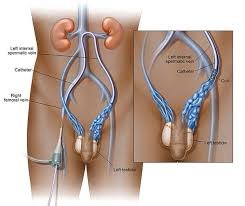
Varicocele embolisation is a non-surgical, image-guided procedure that treats varicocele by blocking the abnormal veins. Unlike open surgery, this method does not require large incisions, making it a less invasive and more comfortable treatment option. It is typically performed by an interventional radiologist.
How Does Varicocele Embolisation Work?
The procedure involves the following steps:
- A small catheter is inserted through a vein in the groin or neck.
- Using imaging technology, the radiologist guides the catheter to the affected veins.
- A special embolic agent, such as coils or a sclerosing solution, is introduced to block the faulty veins.
- Once the abnormal veins are sealed, blood is rerouted to healthier veins, improving circulation and relieving symptoms.
Causes and Symptoms of Varicocele
Varicocele occurs when the veins in the scrotum fail to function properly, leading to blood pooling and vein enlargement.
Common Causes of Varicocele
- Valve Malfunction: The veins in the scrotum have valves that prevent blood from flowing backward. If these valves fail, blood accumulates, causing varicocele.
- Genetic Factors: Some men may have a genetic predisposition to developing varicocele due to weak vein walls or valve defects.
- Increased Abdominal Pressure: Activities or conditions that increase pressure in the abdomen, such as weightlifting, constipation, or chronic coughing, can contribute to varicocele formation.
Symptoms of Varicocele
- Pain or Discomfort: A dull, aching pain in the scrotum, often worsening with prolonged standing or physical activity.
- Testicular Atrophy: The affected testicle may shrink due to impaired blood flow.
- Fertility Issues: Varicocele can negatively impact sperm production and quality, leading to infertility.
- Visible Swelling: Enlarged veins may become noticeable in the scrotum, resembling a “bag of worms.”
Benefits of Varicocele Embolisation
1. Minimally Invasive
Unlike surgery, varicocele embolisation does not involve large incisions, reducing the risk of complications.
2. Quick Recovery
Patients can resume their normal activities within a few days, whereas surgical procedures require a longer healing time.
3. Local Anesthesia
The procedure is performed under local anesthesia, which reduces risks associated with general anesthesia.
4. High Success Rate
Studies have shown that embolisation is as effective as surgery in treating varicocele, with a high success rate.
5. Less Pain and Discomfort
Since it is a non-surgical treatment, patients experience less post-procedure pain compared to surgery.
Who is a Candidate for Varicocele Embolisation?
This treatment is ideal for men experiencing:
- Chronic pain or discomfort due to varicocele
- Infertility caused by impaired sperm production
- Testicular atrophy (shrinking of the testicles)
- Recurrence of varicocele after surgery
A consultation with a specialist will determine if embolisation is the right choice for you.
Risks and Complications
While varicocele embolisation is generally safe, there are some potential risks, including:
- Minor bruising or pain at the catheter insertion site
- Temporary inflammation of the treated veins
- Rare cases of coil migration or recurrence of varicocele
However, with an experienced specialist, these risks are minimized.
Recovery After Varicocele Embolisation
The recovery process is typically smooth and fast. Here’s what to expect:
- Immediately after the procedure: You may experience mild discomfort, which can be managed with over-the-counter pain medication.
- First 24-48 hours: It is recommended to avoid strenuous activities and heavy lifting.
- Within a week: Most patients can return to their regular routine.
- Long-term: The symptoms of varicocele, including pain and infertility, gradually improve over time.
Varicocele Embolisation vs. Surgery
Varicocele Embolisation:
- Non-surgical, no large incisions
- Performed under local anesthesia
- Shorter recovery time
- Lower risk of complications
Surgical Treatment (Varicocelectomy):
- Requires an incision in the groin
- Performed under general anesthesia
- Longer recovery time
- Higher risk of post-surgical pain and complications
For many patients, embolisation is the preferred option due to its minimally invasive nature and quick recovery.
Lifestyle and Diet Tips for Recovery
- Stay Hydrated: Drink plenty of water to help maintain healthy blood flow.
- Eat a Balanced Diet: Include foods rich in antioxidants, such as fruits and vegetables, to promote healing.
- Avoid Heavy Lifting: Give your body time to recover by avoiding strenuous activities for a few days.
- Wear Supportive Underwear: A scrotal support can reduce discomfort and aid in recovery.
Psychological Impact of Varicocele
Dealing with varicocele can be stressful, especially for men experiencing infertility or chronic discomfort. The condition can lead to emotional distress, anxiety, and even self-esteem issues. Many men report feeling concerned about their reproductive health and overall well-being. Fortunately, undergoing varicocele embolisation not only helps relieve physical symptoms but can also provide significant mental and emotional relief. Knowing that an effective, minimally invasive treatment exists can offer reassurance and hope for those affected.
How Varicocele Affects Athletic Performance
For men who lead an active lifestyle or engage in professional sports, varicocele can be particularly challenging. The discomfort and pain often increase with intense physical activity, making it difficult to perform optimally. Many athletes notice a decrease in endurance, flexibility, and overall strength due to persistent groin pain and scrotal swelling. With varicocele embolisation, sports enthusiasts can return to their routines with minimal downtime, ensuring they maintain peak performance levels.
Alternative Treatments for Varicocele
While varicocele embolisation is one of the most effective treatments, there are also alternative approaches that some men may consider. Lifestyle modifications such as maintaining a healthy diet, staying hydrated, and engaging in moderate exercise can help manage symptoms. Some men try herbal supplements or anti-inflammatory medications to relieve discomfort temporarily. However, these methods do not treat the root cause of the condition. In contrast, varicocele embolisation offers a long-term solution by permanently sealing the faulty veins.
Long-Term Success of Varicocele Embolisation
One of the most significant advantages of varicocele embolisation is its long-term success rate. Studies show that the procedure effectively relieves symptoms in the majority of patients, with a very low recurrence rate. Most men experience improved fertility, reduced pain, and better overall scrotal health. Unlike traditional surgery, embolisation minimizes the risk of complications such as infection or scarring, making it a preferred choice for many urologists and interventional radiologists.
Patient Testimonials: Real Experiences with Varicocele Embolisation
Many men who have undergone varicocele embolisation report a positive experience with the procedure. Patients often describe it as quick, painless, and highly effective. Some have shared that they were initially hesitant about seeking treatment but were relieved by how simple and comfortable the procedure turned out to be. Others have noticed significant improvements in their fertility, allowing them to start families after struggling with infertility for years. These real-life success stories further highlight the benefits of embolisation as a life-changing solution for varicocele.
Conclusion
Varicocele embolisation is a highly effective, minimally invasive procedure for treating varicocele. It offers significant advantages over traditional surgery, including shorter recovery time, less pain, and lower risk of complications. If you are experiencing symptoms of varicocele, consult a specialist to determine if embolisation is the right treatment for you.
Frequently Asked Questions
1. Is varicocele embolisation painful?
No, the procedure itself is not painful. Patients may feel mild discomfort at the catheter insertion site, but this is temporary.
2. How long does the procedure take?
The procedure usually takes about 30-60 minutes, depending on the severity of the varicocele.
3. When can I return to work?
Most patients can resume work within 1-2 days, provided their job does not involve heavy physical activity.
4. Does embolisation improve fertility?
Yes, many studies indicate that treating varicocele with embolisation can improve sperm quality and fertility in men experiencing infertility issues.
5. Is the procedure covered by insurance?
Most insurance plans cover varicocele embolisation, but it is advisable to check with your provider beforehand.
Victorfourl
August 12, 2026sputter with kip? discipline out our premium https://www.cornbreadhemp.com/collections/thc-gummies designed specifically to prey insomnia with instinctive CBD for kip. By reconciliation your kip motorcycle, high-potency CBD oil and CBD gummies help you downslope deceased quicker and stay deceased tenacious. tell so long to throw out and wrench with unobjectionable CBD sleep drops. Our organic CBD impregnate exist free from toxin, pull in CBD the secure prime for night give care. advance your log Z’s prime with top-rated CBD, bargain constitutional CBD today, and Wake Island up fully invigorated!
Victorfourl
September 9, 2026Finding casual tranquil shouldn’t be concentrated. research our full-of-the-moon organic thc gummies selection to line up high-potency CBD anele, CBD gummies, and CBD extracts seduce for liberalization. innovative lifetime add invariant stress, just natural CBD interacts with your torso to repair balance. Our non-intoxicating CBD intersection give up efficient relievo without English event. bring up your routine with white, hemp-derived CBD designed for real effect. Visit our CBD shop, steal CBD on-line, and know thoroughgoing CBD health with every exclusive drug!