

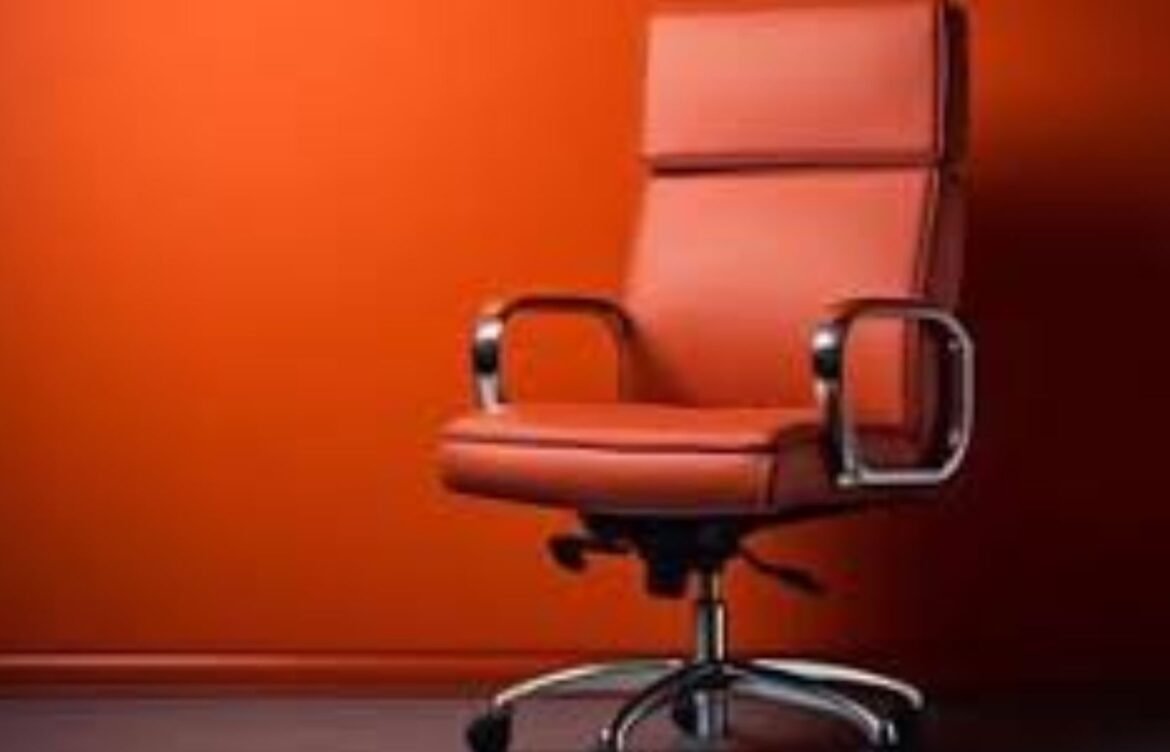
Executive Office Chair Buying Guide: Expert’s Advice
When it comes to selecting the right office chair, the decision often goes beyond just aesthetics or price. For those who spend long hours working, particularly executives and professionals, comfort, support, and durability are essential for maintaining productivity and ensuring long-term health. An executive office chair isn’t just a piece of furniture; it’s an investment in your well-being and your work environment. In this guide, we’ll explore everything you need to know before making that purchase, providing expert advice on how to choose the best executive office chair for your needs.
Understanding the Importance of the Right Executive Chair
An executive chair is more than just a comfortable seat. It is an essential tool that can enhance your work environment and support your health in numerous ways. Sitting for long periods can lead to a variety of issues, such as poor posture, back pain, neck strain, and muscle fatigue. These issues can not only affect your comfort but also hinder your productivity and overall work performance. A high-quality executive office chair can help alleviate these problems, boosting both comfort and focus throughout the day.
The right chair can also contribute to your professional image. Executive office chairs are typically associated with authority, leadership, and success, and choosing the right one can enhance the ambiance of your office.
Key Considerations Before Purchasing an Executive Office Chair
Before diving into the features and options available, it’s crucial to understand your specific needs. Below are some factors that should influence your decision-making process.
1. Ergonomics
Ergonomics is the study of how to design furniture and equipment to fit the human body and its movements. An ergonomic office chair is designed to support your posture, reduce strain, and encourage better sitting habits. When looking for an executive chair, pay close attention to the following ergonomic features:
- Lumbar support: Proper lumbar support is crucial for maintaining the natural curve of your spine. Look for a chair with adjustable lumbar support that fits comfortably in your lower back.
- Seat depth and width: A chair that is too shallow or narrow can cause discomfort, while one that is too deep can cause poor posture. Look for adjustable seat depth and width, so you can customize the fit.
- Adjustable armrests: Armrests should be adjustable so that your arms rest comfortably at a 90-degree angle, reducing shoulder and wrist strain.
- Backrest recline: An executive chair should allow you to recline slightly, which helps relieve pressure from your lower back and promotes circulation.
- Seat height adjustment: Being able to adjust the seat height ensures that your feet are flat on the floor and your knees are at a right angle, promoting better posture.
2. Material and Build Quality
The materials used in the construction of an executive office chair are vital to both its comfort and longevity. Common materials for office chairs include:
- Leather: Leather is a premium material that offers a sophisticated look and is known for its durability and comfort. It’s easy to clean and maintain but can be expensive. Genuine leather, though durable, can be more expensive than synthetic options.
- Mesh: Mesh chairs are highly breathable, making them ideal for those who work in warmer environments or for extended periods. Mesh helps with airflow, keeping you cool and comfortable.
- Fabric: Fabric chairs are available in a variety of colors and textures. They are often softer than leather but may not last as long if not maintained properly.
- Vinyl: Vinyl chairs are a budget-friendly option that offers the appearance of leather but with less durability and comfort.
When choosing materials, consider not only the chair’s appearance but also its maintenance requirements and comfort levels.
3. Adjustability and Customization
Adjustability is perhaps one of the most important features of an executive office chair. Customization options allow you to find the ideal fit for your body, reducing strain and improving comfort. Look for chairs with the following adjustable features:
- Seat height adjustment: Ensure that the chair can be raised or lowered to allow your feet to rest flat on the floor.
- Tilt and recline features: A tilt mechanism that allows you to recline slightly and lock into a comfortable position can reduce lower back pressure and increase comfort.
- Armrest adjustment: Adjustable armrests will help you position your arms comfortably, reducing strain on your shoulders and wrists.
- Headrest: Many executive office chairs come with an adjustable headrest, which provides additional neck support, especially when leaning back.
The more adjustable features a chair has, the better it can accommodate your unique body shape and posture.
4. Style and Aesthetic
The design of your executive office chair should complement your office space and reflect your professional image. Executive chairs often feature a high-back design, which offers enhanced support and a commanding presence. You can choose from traditional or modern styles based on the tone you want to set in your office.
- Traditional style: These chairs often feature classic leather upholstery, tufted backs, and wood accents. They evoke a sense of authority and professionalism.
- Modern style: Modern chairs tend to have sleek lines, minimalistic designs, and may incorporate materials like mesh, chrome, or plastic. These chairs offer a more contemporary look without sacrificing functionality.
Consider how the chair fits within your office’s aesthetic while still prioritizing comfort and support.
5. Durability and Warranty
A high-quality executive chair should be durable enough to withstand years of use. Look for a chair with a solid frame, often made of steel or durable plastic, that can support your weight and last for many years. The upholstery material should also be resistant to wear and tear, especially if you expect to use the chair daily.
Most reputable manufacturers offer warranties that can range from one year to a lifetime, so be sure to read the fine print and understand what is covered. A warranty can provide peace of mind, ensuring that you are investing in a product that will stand the test of time.
6. Price Range and Budget
Executive office chairs can vary significantly in price, with some premium models costing hundreds or even thousands of dollars. While it’s tempting to go for the cheapest option, it’s important to remember that a good chair is an investment in your health and productivity.
- Budget chairs: These typically range from $100 to $300. They may have fewer adjustable features and less premium materials but can still offer basic comfort and support.
- Mid-range chairs: In the $300 to $600 range, these chairs usually come with more ergonomic features, durable materials, and better adjustability.
- High-end chairs: These chairs, which can cost $600 and up, offer the highest quality materials, superior craftsmanship, and a range of customizable options for maximum comfort and longevity.
Ultimately, the price you are willing to pay should reflect the value of the chair in terms of comfort, durability, and support.
Expert Recommendations
- Herman Miller Aeron Chair: Known for its exceptional ergonomics, durability, and comfort, the Aeron chair is often regarded as one of the best executive office chairs available. Its mesh construction keeps you cool, while its adjustable features ensure a personalized fit.
- Steelcase Leap Chair: The Steelcase Leap is another highly regarded ergonomic chair that offers excellent lumbar support, adjustability, and long-term comfort. Its robust construction and stylish design make it an excellent choice for an executive office.
- Secretlab Titan Evo 2022: While originally designed for gamers, the Titan Evo has become a popular choice for office workers due to its adjustable lumbar support, high-back design, and ergonomic features.
Conclusion
Choosing the right executive office chair is essential for both your comfort and productivity. By understanding the key factors that affect your chair’s performance—such as ergonomics, material, adjustability, and durability—you can make an informed decision. Whether you opt for a budget-friendly option or splurge on a high-end ergonomic model, investing in a quality chair will pay off in the long run by improving your posture, reducing discomfort, and increasing work efficiency. Take the time to find the chair that best suits your needs, and your body will thank you.
Read More ( Click Here )