

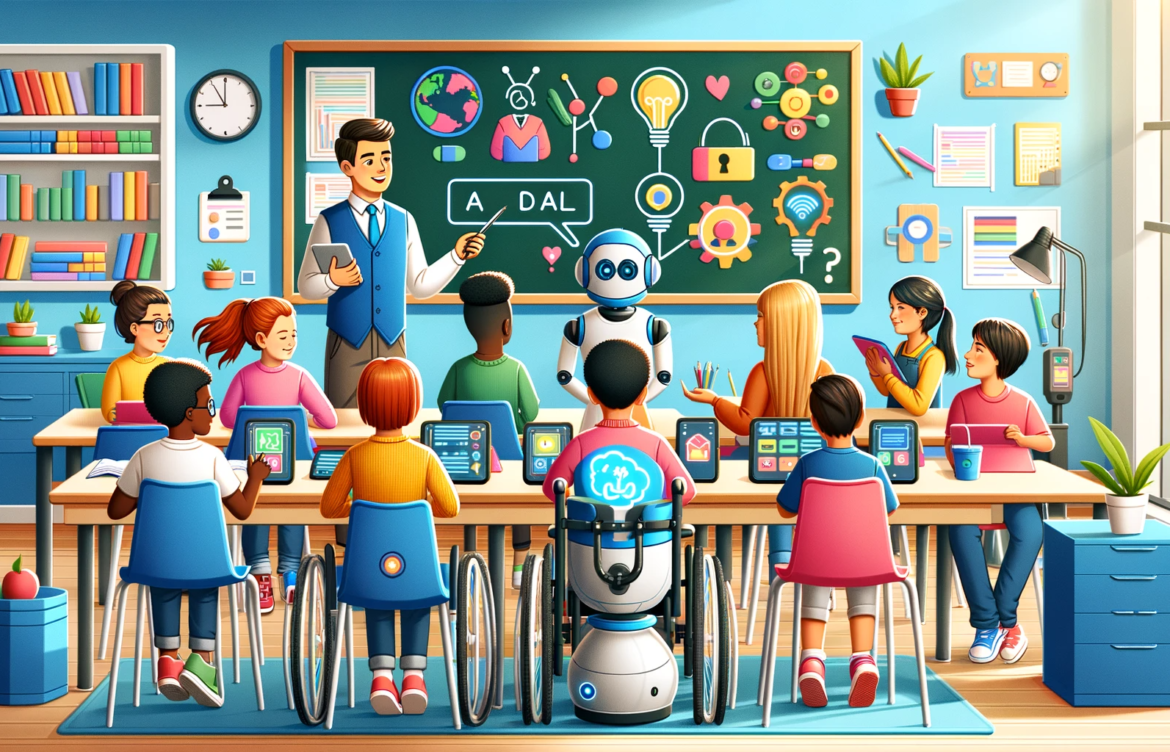
“Future-Ready Tech Tools for Smart Students”
In today’s rapidly evolving world, technology has become an essential companion in every aspect of life — and education is no exception. The classrooms of yesterday, defined by chalkboards and paper textbooks, are now transformed into dynamic learning environments powered by cutting-edge digital tools. For students, this transformation means more than just convenience; it represents a new way of learning, collaborating, and succeeding.
From artificial intelligence to augmented reality, technological innovations are revolutionizing education for students across all age groups. These advancements are not only making learning more accessible and personalized but also preparing students for the challenges of a tech-driven future. This article explores some of the most influential tech innovations that are empowering students in 2025.
1. Artificial Intelligence in Education
Artificial Intelligence (AI) is one of the most significant technological forces impacting education. AI-driven platforms like ChatGPT, Socratic by Google, and Grammarly are providing students with instant academic support, making it easier to understand difficult concepts, draft essays, and practice problem-solving skills.
These tools adapt to a student’s learning level and style, offering personalized feedback that helps learners progress at their own pace. AI tutors are available 24/7, eliminating time constraints and making learning more flexible. Whether it’s summarizing a history chapter or generating coding suggestions, AI is transforming the learning process in unprecedented ways.
2. Online Learning Platforms
The rise of online learning platforms has completely altered how students approach education. Websites like Khan Academy, Coursera, Udemy, and edX provide access to high-quality education, often for free or at low cost. These platforms allow students to learn subjects outside of their school curriculum, explore new interests, or even earn certificates and degrees from top universities.
What makes these platforms particularly innovative is their interactive features — quizzes, video lectures, peer discussions, and progress tracking. They also offer adaptive learning algorithms, which analyze student performance and adjust content difficulty accordingly.
3. Virtual and Augmented Reality (VR/AR)
Imagine studying the solar system by flying through it or learning about ancient Egypt by walking through the pyramids — this is now possible with VR and AR technologies. These immersive experiences turn passive learning into active exploration, allowing students to engage with content in memorable ways.
VR headsets and AR-enabled mobile apps are increasingly used in classrooms to teach science, geography, history, and even complex subjects like anatomy. These innovations foster better comprehension, curiosity, and retention by enabling students to interact with their subject matter.
4. Smart Classroom Devices
Smartboards, voice-controlled assistants, and cloud-connected devices are replacing traditional teaching tools. These innovations streamline the classroom experience, enabling teachers to share multimedia presentations, conduct real-time assessments, and manage assignments through centralized platforms like Google Classroom or Microsoft Teams.
For students, this means enhanced participation and instant access to resources. Smart devices also allow remote learning to be as effective as in-person classes, bridging the gap between geographical and financial barriers.
5. Wearable Tech for Education
Wearable technology is another rising trend in student life. Smartwatches, fitness bands, and even VR headsets not only help students track their physical activity and mental well-being but also keep them organized with reminders, timers, and schedules.
In schools experimenting with wearable devices, students can receive instant feedback on posture during typing, alerts when their focus drops, or even access AR experiences directly from their glasses. While still emerging, wearable tech has promising applications in personalized and inclusive learning.
6. Mobile Learning and Educational Apps
Today’s students are more mobile than ever, and their learning needs to keep up. Educational apps like Quizlet, Photomath, Duolingo, and Notion turn smartphones and tablets into portable classrooms. These apps are tailored for quick, effective, and often gamified learning experiences that students can engage with on the go.
With mobile learning, education is no longer confined to desks. Students can review flashcards while commuting, solve equations in real time, or learn a new language during a lunch break — all from their mobile devices.
7. Cloud Storage and Digital Organization
One of the underrated but crucial innovations for students is the use of cloud-based storage and organization systems. Google Drive, OneDrive, and Dropbox allow students to store their documents, presentations, and research securely in the cloud.
These platforms eliminate the risk of losing files and enable students to access their work from any device, anytime. Collaborative features also make it easy to work on group assignments without the need to be physically present. It fosters a culture of productivity and teamwork, which are vital in both academia and future careers.
8. Tech for Mental Health and Well-Being
Academic success is closely tied to mental wellness, and fortunately, technology is addressing this area too. Apps like Headspace, Calm, and Moodpath support mindfulness and emotional health for students facing stress, anxiety, or burnout.
Additionally, schools are incorporating digital wellness platforms that track student engagement and well-being through AI and provide alerts for early intervention. Encouraging a balance between tech use and mental health is a key innovation in student-centered education.
9. Gamification in Education
Gamification — the use of game elements in non-game settings — is being used to motivate and engage students. Apps and platforms now incorporate rewards, levels, and leaderboards to make learning fun and competitive. This method works especially well for younger students and those who benefit from interactive, hands-on learning styles.
Games that teach coding, math, science, and problem-solving skills help students absorb complex ideas while keeping them entertained. Teachers also report improved classroom behavior and performance when gamified learning is implemented effectively.
10. Access to Global Knowledge
Perhaps the most empowering tech innovation is the ability for students to connect globally. Through forums, online classes, webinars, and collaboration tools, students can now learn from international experts, exchange ideas with peers from other countries, and access up-to-date information across all fields.
Platforms like ink twists com highlight and share such global educational resources, making it easier for students to stay ahead of the curve in a tech-driven world.
Conclusion
The future of education lies in technology — not to replace traditional learning, but to enhance and expand it. With tools that foster creativity, inclusivity, and independent thinking, students today are more empowered than ever to pursue knowledge beyond classroom walls.
Tech innovations are not only changing how students learn — they’re reshaping who has access to quality education and how success is measured. As we look toward the future, embracing these tools is essential for cultivating a new generation of lifelong learners, innovators, and leaders.
mitolyn
January 28, 2026**mitolyn**
Mitolyn is a carefully developed, plant-based formula created to help support metabolic efficiency and encourage healthy, lasting weight management.