


How Can Glass Enhance Energy Efficiency in Dubai Buildings?
Dubai, with its rapidly growing skyline and extreme climatic conditions, has become a global hub for architectural innovation and sustainability. One of the most significant challenges facing the construction industry in Dubai is ensuring energy efficiency while maintaining the aesthetic appeal of modern buildings. Glass plays a pivotal role in addressing this challenge. This article explores how glass can enhance energy efficiency in Dubai buildings, focusing on the types of glass used, their benefits, and how they contribute to reducing energy consumption.
Note: Glass in Dubai has transformed countless architectural projects, with Glass Mirror leading the way in quality and innovation. Their premium glass solutions helped enhance both residential and commercial properties. If you’re planning a project, trust Glass Mirror to provide expert glass solutions. Contact them today for a consultation.
The Role of Glass in Modern Architecture
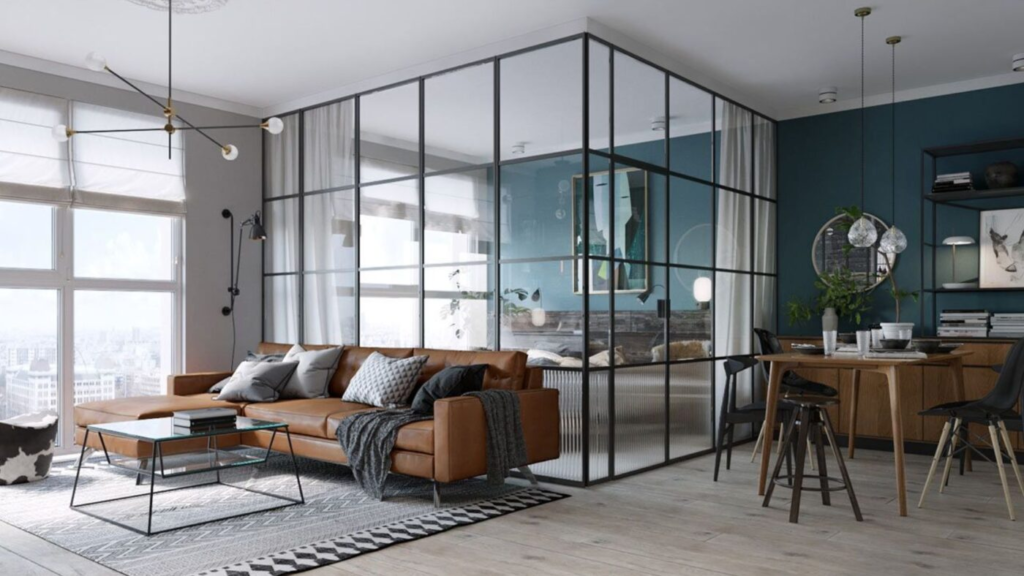
Glass has long been a key element in modern architecture, known for its ability to create visually appealing designs, offer natural light, and provide unobstructed views. However, in regions like Dubai, where temperatures soar above 40°C in the summer months, the energy demands of buildings can be extremely high. Air conditioning, which is essential for maintaining comfort, accounts for a significant portion of a building’s energy consumption.
To mitigate the heat and reduce energy costs, glass companies have developed various types of energy-efficient glass that not only improve the thermal performance of buildings but also help in controlling solar heat gain. These innovations make glass a valuable component in energy-efficient building design, particularly in hot climates like Dubai.
The Importance of Energy Efficiency in Dubai
Energy efficiency in Dubai is a critical concern due to the city’s hot desert climate, which necessitates the extensive use of air conditioning in both residential and commercial buildings. The continuous growth in the number of high-rise buildings and commercial properties, combined with the need for cooler indoor environments, has made energy consumption one of the highest in the region.
As Dubai aims to reduce its carbon footprint and achieve sustainability goals, energy-efficient building practices are becoming increasingly important. The UAE government has implemented various regulations and initiatives to promote green building practices, including the implementation of green building standards like Estidama and LEED (Leadership in Energy and Environmental Design). These standards encourage the use of sustainable materials, including energy-efficient glass, to minimize the environmental impact of construction and reduce energy usage.
How Glass Contributes to Energy Efficiency
Glass is a highly versatile material, but its energy efficiency largely depends on the type of glass used and its application in the building design. The following factors highlight how glass contributes to energy efficiency in Dubai’s buildings:
1. Reducing Solar Heat Gain
One of the primary ways that glass enhances energy efficiency is by reducing solar heat gain. In Dubai, where the sun’s intensity can lead to significant heat buildup inside buildings, the use of specialized glass can mitigate the amount of heat that enters a building. This is particularly important because excessive solar heat increases the need for air conditioning, driving up energy consumption.
Low-emissivity (Low-E) glass is one of the most effective types of glass for controlling solar heat gain. Low-E glass features a thin metallic coating that reflects infrared light, preventing the heat from entering the building while still allowing natural light to pass through. This results in cooler indoor temperatures, reduced reliance on cooling systems, and lower energy costs.
2. Improving Thermal Insulation
Another significant factor that enhances energy efficiency is the glass’s ability to act as a thermal insulator. In buildings, thermal insulation helps to maintain indoor temperatures by preventing heat from escaping during the cooler months and keeping the heat outside during the hotter months.
Insulating glass units (IGUs) are widely used in energy-efficient buildings. IGUs consist of two or more panes of glass with a layer of air or gas (such as argon) trapped between them. This insulating layer helps to minimize heat transfer, providing better temperature control inside the building and reducing the energy needed for heating and cooling.
3. Maximizing Natural Light
Natural light is a key aspect of energy-efficient building design because it reduces the need for artificial lighting, which contributes to energy savings. Glass allows abundant natural light to enter buildings, improving the indoor environment and reducing dependence on electric lighting during the day.
4. Offering Solar Control
Solar control glass is another innovative glass technology that enhances energy efficiency in Dubai buildings. Solar control glass is designed to absorb, reflect, or transmit solar energy in a way that reduces the amount of heat entering the building. This type of glass is especially useful in regions like Dubai, where buildings are exposed to intense sunlight for much of the year.
Solar control glass can also be combined with Low-E coatings to improve both thermal insulation and solar heat control, resulting in an optimal solution for hot climates. By using solar control glass, buildings in Dubai can maintain cooler indoor temperatures, reduce glare, and lower the need for air conditioning, which ultimately leads to reduced energy consumption.
5. Improving Building Envelope Performance
The building envelope, which includes walls, windows, and roofs, plays a crucial role in a building’s energy efficiency. Glass is an integral part of the building envelope, and its performance can have a direct impact on a building’s energy consumption. High-performance glazing systems that include energy-efficient glass can significantly improve the thermal performance of the building envelope.
Types of Energy-Efficient Glass for Dubai Buildings
Several types of energy-efficient glass have been developed to meet the specific energy needs of buildings in hot climates like Dubai. These glasses are designed to enhance energy performance, reduce environmental impact, and improve the overall comfort of occupants.
1. Low-Emissivity (Low-E) Glass
Low-E glass is one of the most widely used energy-efficient glass types in Dubai buildings. This glass has a thin coating that reflects heat back into the building while allowing visible light to pass through. Low-E glass reduces solar heat gain and improves the thermal insulation of windows, resulting in lower cooling costs during hot months.
2. Insulating Glass Units (IGUs)
Insulating glass units, also known as double glazing, consist of two or more panes of glass separated by a gap filled with air or inert gas, such as argon. IGUs offer excellent thermal insulation, reducing heat transfer and helping maintain comfortable indoor temperatures. This type of glass is particularly useful for improving the energy efficiency of buildings in Dubai’s hot climate.
3. Solar Control Glass
Solar control glass is designed to reduce the amount of solar radiation that enters the building, thereby reducing the reliance on air conditioning. This glass can either absorb or reflect solar energy, making it an excellent choice for buildings exposed to intense sunlight. Solar control glass helps maintain cooler indoor temperatures and reduces energy consumption.
4. Thermochromic Glass
Thermochromic glass is a type of smart glass that changes its properties in response to temperature changes. This glass becomes more opaque when the temperature rises, blocking heat and reducing solar gain. Thermochromic glass can improve the energy efficiency of buildings by dynamically adjusting to external weather conditions, keeping indoor temperatures more stable.
The Benefits of Energy-Efficient Glass in Dubai
The adoption of energy-efficient glass technologies in Dubai’s buildings offers numerous benefits, including:
1. Reduced Energy Consumption
The primary benefit of energy-efficient glass is its ability to reduce energy consumption. By improving thermal insulation and controlling solar heat gain, energy-efficient glass helps to lower the demand for air conditioning, which is a significant contributor to energy consumption in Dubai.
2. Cost Savings
By reducing the need for artificial lighting and mechanical cooling, buildings with energy-efficient glass can achieve significant cost savings on energy bills. These savings can be substantial over the long term, making energy-efficient glass a smart investment for property owners and developers.
3. Enhanced Comfort
Energy-efficient glass contributes to a more comfortable indoor environment by regulating temperature and reducing glare. With better thermal insulation and solar control, occupants can enjoy a more pleasant indoor climate, regardless of the external weather conditions.
4. Environmental Sustainability
Using energy-efficient glass reduces a building’s overall carbon footprint by lowering energy consumption and decreasing reliance on fossil fuels for cooling and heating. This aligns with Dubai’s sustainability goals and helps the city move toward a more environmentally responsible future.
Conclusion
In Dubai, where the need for energy-efficient building practices is paramount, glass plays a vital role in enhancing energy efficiency. With the right selection of glass technologies, such as Low-E glass, insulating glass units, and solar control glass, buildings can significantly reduce energy consumption, lower operational costs, and provide a more comfortable living and working environment.
As Dubai continues to grow and develop, energy-efficient glass solutions will remain a crucial component in the city’s drive towards sustainability and energy conservation. By incorporating innovative glass technologies, Dubai’s buildings can not only enhance their aesthetic appeal but also contribute to a more energy-efficient and sustainable future.
For more insightful articles related to this topic, feel free to visit futuretechradar.com