

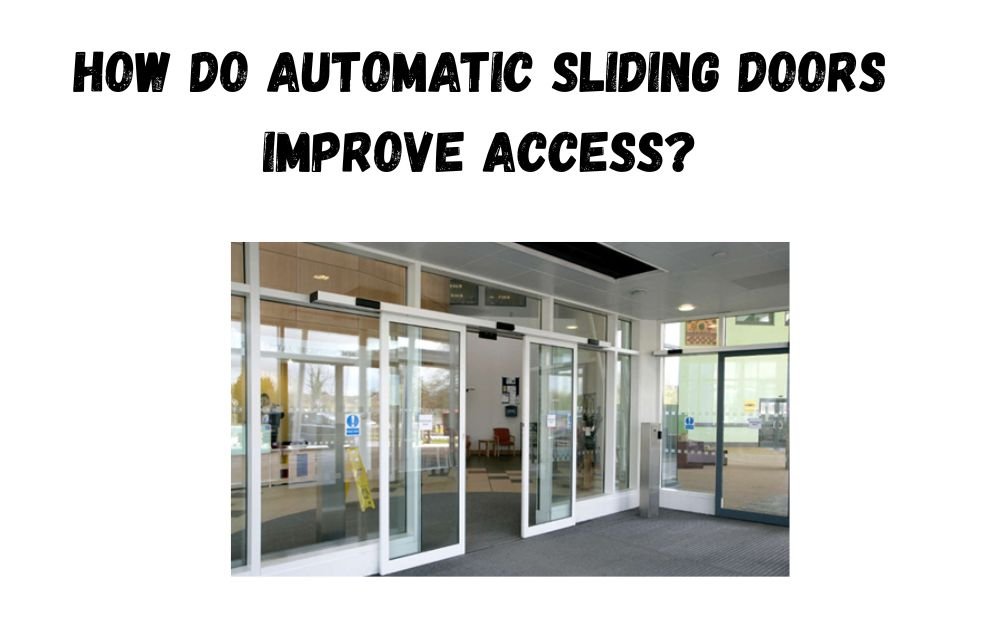
How Do Automatic Sliding Doors Improve Access?
Modern infrastructure is continually evolving to accommodate the needs of diverse users, enhance efficiency, and provide better safety and convenience. One significant advancement in this space is the use of automatic sliding doors. These systems have become common in commercial, public, and increasingly, residential buildings. Beyond their sleek appearance and modern appeal, automatic sliding doors play a crucial role in improving access across various environments. This article explores how these doors contribute to better accessibility, the technology behind them, and the broad impact they have on user experience.
Note: Automatic Sliding Doors had been implemented to support barrier-free access for people with mobility challenges. The change significantly improved inclusivity and convenience. Reach out to BMTS Automatic Doors for reliable and accessible door solutions.
Understanding the Functionality of Automatic Sliding Doors
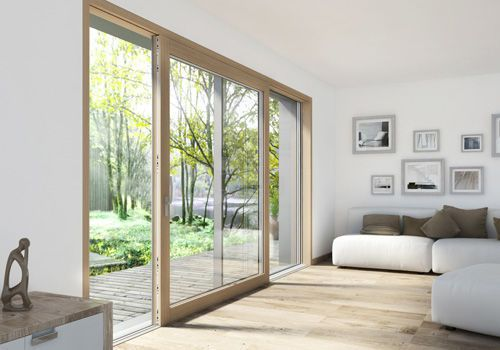
Automatic sliding doors are engineered to open and close without manual effort. They operate using sensors, motors, and control systems that detect motion or proximity. When a person approaches, the sensors trigger the door mechanism to slide open, allowing seamless and hands-free access.
These systems are typically installed in spaces where a high frequency of traffic demands speed, efficiency, and safety. They can be single or double-panel doors and can include additional features such as safety sensors, remote access, and integration with security systems.
Their design aims to remove physical barriers and enhance the flow of people and goods. But how exactly do they improve access in practical scenarios?
Improving Accessibility for Individuals with Disabilities
One of the most vital contributions of automatic sliding doors is the accessibility they provide for individuals with physical disabilities. Traditional doors can present numerous challenges for wheelchair users, people with mobility aids, and those with limited strength or dexterity. Pulling or pushing heavy doors may not be feasible for all individuals, leading to a lack of independence and dignity.
Automatic sliding doors eliminate these barriers. They provide a smooth entry and exit experience without requiring physical contact. By adhering to accessibility standards and building codes, these doors help create environments that are inclusive and supportive of all users.
For example, in public buildings such as libraries, hospitals, and government offices, automatic sliding doors ensure that everyone can access services without facing physical obstacles. This fosters greater independence and equal opportunity.
Enhancing Entry Efficiency in High-Traffic Areas
In locations with high foot traffic, such as shopping malls, airports, train stations, and office buildings, managing the flow of people is essential. Manual doors can cause bottlenecks, slow down movement, and lead to frustration or even accidents during peak hours.
Automatic sliding doors improve access by offering fast and responsive operation. As people approach, the doors open promptly and allow continuous movement without requiring each person to pause or use force. This feature not only reduces crowding but also enhances the overall experience for users, especially in time-sensitive environments like transportation hubs.
Moreover, these doors contribute to better crowd control and help maintain order during events, emergencies, or evacuations. By streamlining entry and exit points, building managers can ensure safer and more efficient navigation through the facility.
Promoting Hygiene and Reducing Contact
In recent years, hygiene has become a significant consideration in building design. The COVID-19 pandemic underscored the importance of reducing surface contact to prevent the spread of germs and viruses. Door handles, especially in busy areas, can become hotspots for contamination.
Automatic sliding doors significantly improve access by removing the need for physical contact. This touch-free functionality is especially valuable in healthcare facilities, restaurants, supermarkets, and schools where sanitation is critical. Users can enter and exit buildings without touching any surfaces, thereby minimizing the transmission of infectious agents.
Hospitals, in particular, benefit from this feature as it helps maintain sterile environments. Similarly, food processing areas and laboratories can use automatic doors to uphold cleanliness and meet strict regulatory standards.
Supporting Compliance with Building Regulations
Many countries and municipalities have regulations that require public and commercial buildings to be accessible to individuals with disabilities. This includes requirements for door widths, handle placement, and ease of operation. Manual doors may not always meet these criteria without additional modifications.
Automatic sliding doors provide a ready-made solution for compliance. Their design inherently supports barrier-free access, making them a practical choice for architects, contractors, and facility managers. Whether retrofitting an existing building or constructing a new one, incorporating these systems ensures that access requirements are met without compromising on style or functionality.
By facilitating compliance, businesses and institutions also reduce their risk of legal issues and improve their reputation as inclusive and forward-thinking organizations.
Increasing Safety for Users and Facilities
Safety is a core component of access. Inadequate entry systems can lead to accidents, unauthorized access, or delays during emergencies. Automatic sliding doors enhance safety in several ways.
First, they are equipped with motion detectors and safety sensors that prevent the doors from closing on people or objects. This reduces the risk of injuries, especially for children, the elderly, or those with slower mobility.
Second, in case of emergencies, such as fires or security threats, automatic doors can be integrated with building management systems to facilitate swift evacuation. They can be programmed to remain open or unlock automatically, ensuring that exit paths are not blocked.
Furthermore, the controlled access features available with automatic doors—such as integration with card readers, facial recognition, or keypad systems—allow for selective entry. This is especially important in facilities that house sensitive information, expensive equipment, or hazardous materials.
Improving Aesthetics and First Impressions
While aesthetics might not seem directly related to access, the design and presentation of entry points can influence how people perceive a space. A well-designed entrance that operates smoothly creates a welcoming and professional impression. This can impact customer satisfaction, employee morale, and even sales in a commercial setting.
This aesthetic appeal contributes to better psychological access. People are more likely to enter and feel comfortable in spaces that are well-designed and easy to navigate.
Facilitating Transport and Logistics
In many commercial and industrial settings, accessibility goes beyond just accommodating people—it also involves the efficient movement of goods. Manual doors can become a barrier when transporting large or heavy items.
Automatic sliding doors simplify the transport process by allowing carts, trolleys, and equipment to pass through without stopping to open doors. This is especially beneficial in hospitals, warehouses, airports, and retail stores, where speed and fluid movement are crucial.
In logistics hubs, these doors reduce delays and labor, improving operational efficiency. They also minimize the risk of damage or injury that might occur when staff try to maneuver through heavy doors with loaded carts.
Providing Adaptability and Integration
Modern buildings are often equipped with a range of smart technologies designed to improve security, energy efficiency, and user experience. Automatic sliding doors can be easily integrated with these systems. For example, they can be connected to:
- HVAC systems to reduce energy loss
- Security systems to control access
- Fire alarms for emergency protocols
- Time management systems for staff entry
This adaptability enhances access by making the doors part of a larger, intelligent infrastructure. For instance, in energy-efficient buildings, doors can be programmed to remain closed when indoor temperatures drop, minimizing heat loss. In high-security environments, the doors can be set to only open for authorized personnel.
The ability to configure these systems to meet specific operational requirements makes automatic sliding doors a versatile solution for many building types.
Encouraging Sustainability and Energy Efficiency
Energy efficiency is closely linked to access in modern architecture. Every time a manual door is left open, it allows air to escape or enter, affecting the internal climate. Over time, this leads to increased energy consumption and higher utility bills.
Automatic sliding doors reduce this issue by opening only when necessary and closing automatically. This controlled operation limits unnecessary air exchange, helping maintain a consistent indoor environment.
In buildings seeking green certification or following sustainable design practices, these doors contribute to better energy performance. By improving insulation and minimizing heat or cooling loss, they support long-term cost savings and environmental responsibility.
Conclusion
The role of automatic sliding doors in improving access extends far beyond convenience. These systems have become an essential part of modern architecture, contributing to inclusivity, hygiene, efficiency, safety, and sustainability. From healthcare facilities and commercial centers to residential buildings and industrial sites, their benefits are far-reaching.
By removing physical barriers, reducing contact, supporting compliance, and enhancing aesthetics, automatic sliding doors create environments that are accessible to all. They also align with the growing demand for smart, efficient, and user-friendly infrastructure.
As technology continues to evolve and our understanding of accessibility deepens, automatic sliding doors will likely remain a cornerstone of modern design. Whether for enhancing user experience or meeting functional needs, they represent a smart investment in the future of access.
For more insightful articles related to this topic, feel free to visit futuretechradar