

How Filmmakers Use Animation to Create Emotional Impact
Animation is an incredibly versatile tool that filmmakers use to create emotional connections with their audiences. By blending visuals, sound, and storytelling, animation allows creators to communicate complex emotions and ideas in a way that feels authentic and immersive. The ability to exaggerate facial expressions, manipulate environments, and control color schemes gives animators the power to heighten emotional moments, making them more impactful. Whether it’s the joy of a character’s triumph or the sorrow of a character’s loss, these emotions can be conveyed through both subtle nuances and bold, dramatic choices. As technology advances, filmmakers are also integrating new tools, such as AI-powered storyboard generators, to streamline the creative process and refine these emotional elements even further. Ultimately, animation’s flexibility makes it one of the most effective mediums for storytelling that resonates deeply with viewers, transcending age and cultural boundaries.
Understanding the Emotional Power of Animation
Animation provides filmmakers with an unmatched level of creative freedom, allowing them to break free from the constraints of live-action. This flexibility opens up endless possibilities for crafting imaginative worlds and unique characters that would be impossible or impractical to achieve through traditional filmmaking techniques. By blending visual, auditory, and narrative elements, animation can convey complex emotions and abstract concepts in a way that resonates deeply with viewers. The ability to exaggerate expressions, manipulate colors, and incorporate dynamic sound design allows animators to engage the audience on an emotional level, forging a stronger connection between the story and the viewer. This creative freedom makes animation not just a tool for entertainment, but a powerful medium for emotional storytelling.
Key Techniques for Evoking Emotion in Animation
Several techniques are instrumental in crafting emotionally resonant animated films:
1. Character Design and Facial Expressions
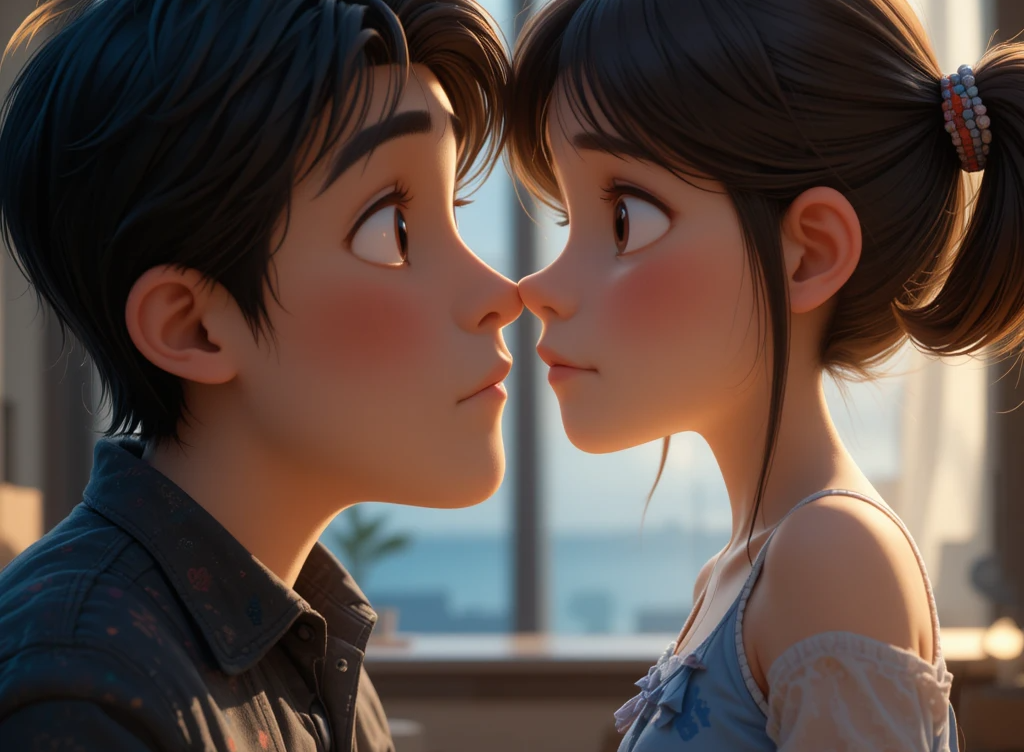
Characters with expressive facial features and body language can convey a wide range of emotions, making them relatable to audiences. Thoughtful design choices, such as exaggerated eyes or distinctive gestures, help in portraying feelings effectively.
2. Color Palette and Lighting
Colors and lighting play a crucial role in setting the mood of a scene. Warm colors like red and orange can evoke feelings of comfort or passion, while cool colors like blue and green may suggest sadness or calmness. Strategic use of lighting can enhance these effects, guiding the audience’s emotional response.
3. Music and Sound Design
Soundtracks and sound effects significantly influence the emotional tone of an animation. A well-composed score can heighten tension, elicit joy, or bring about sadness, complementing the visual storytelling to deepen the audience’s emotional engagement.
4. Narrative Structure and Themes
Compelling stories that explore universal themes such as love, loss, and personal growth resonate deeply with viewers. By weaving these themes into the narrative, animators can create stories that are both engaging and emotionally impactful.
Case Studies: Emotional Storytelling in Animation
Examining specific examples can provide insight into how these techniques are applied effectively:
Pixar’s “Up” Opening Sequence
The opening sequence of Pixar’s “Up” is renowned for its emotional depth. Through a montage depicting the life journey of the main character and his wife, the film uses visual storytelling, music, and pacing to convey a poignant narrative without dialogue, leaving a lasting impact on audiences.
Studio Ghibli’s “Spirited Away”
“Spirited Away” by Studio Ghibli masterfully combines imaginative worlds with relatable characters, exploring themes of identity and resilience. The film’s rich visuals and emotive storytelling have captivated audiences worldwide, solidifying its place as a landmark in animated cinema.
Integrating Animation into Live-Action Films
Live-action films have increasingly incorporated animated sequences as a creative way to elevate their storytelling and evoke emotions that may be difficult to express through traditional live-action techniques alone. By blending animation with live-action, filmmakers can depict fantastical or surreal elements that would otherwise be challenging or costly to capture on camera. For example, animation allows the depiction of imaginary worlds, dream sequences, or abstract concepts that represent a character’s inner thoughts or emotions, offering a deeper layer of storytelling. This combination can also enhance the emotional impact of a scene, whether it’s through exaggerated animation to emphasize a character’s emotional turmoil or through whimsical animated visuals that reflect the lightheartedness of a moment. Animated sequences in live-action films often serve as a tool to bridge the gap between the real world and the psychological or fantastical realms of the characters, adding visual interest and emotional depth that would otherwise be hard to achieve. Filmmakers can explore complex themes like memory, dreams, and the subconscious in ways that engage viewers emotionally and intellectually, making the film experience more immersive and multifaceted. By merging animation with live-action, filmmakers are pushing the boundaries of traditional storytelling, offering new creative opportunities for emotional expression.
The Role of AI in Storyboarding Emotional Animations
Advancements in technology have significantly enhanced the filmmaking process, particularly in pre-visualization. One of the most exciting developments is the introduction of AI-powered tools, such as an AI storyboard generator best tool . These tools allow filmmakers to quickly and efficiently turn their ideas into visual narratives, saving time and resources during the planning stage. By automating the storyboard creation process, AI tools streamline workflows, enabling filmmakers to focus more on refining their creative vision and emotional storytelling. This not only accelerates production but also ensures that the emotional tone and visual elements align perfectly with the narrative, helping filmmakers create more impactful and engaging stories.
Conclusion
In conclusion, animation is a unique and powerful medium that allows filmmakers to convey emotions in ways that other forms of storytelling simply cannot. Through techniques such as character design, color choices, sound design, and narrative structure, animators have the ability to create deeply emotional experiences for viewers. Whether in standalone animated films or integrated into live-action works, animation’s flexibility and creative freedom enable storytellers to explore complex themes and evoke a range of emotions. As technology continues to advance, tools like AI-powered storyboard generators are making it even easier for filmmakers to bring their emotional visions to life, ensuring that the emotional power of animation will continue to captivate audiences for years to come.