

Is a Vehicle Pre Purchase Inspection a Good Idea?
Buying a car—especially a used one—is a big deal. Whether it’s your first car, a second-hand deal from a private seller, or a certified pre-owned vehicle from a dealership, you want to be sure you’re getting what you pay for. That’s where a vehicle pre purchase inspection (PPI) comes in.
But is a pre purchase inspection really worth it? The short answer: Absolutely.
In this detailed guide, we’ll break down what a vehicle inspection includes, how it can save you money, and why skipping it could be one of the costliest mistakes you make as a car buyer. By the end, you’ll understand exactly why a PPI is not just a good idea—it’s a must-do step in your car-buying journey.
What is a Vehicle Pre Purchase Inspection?
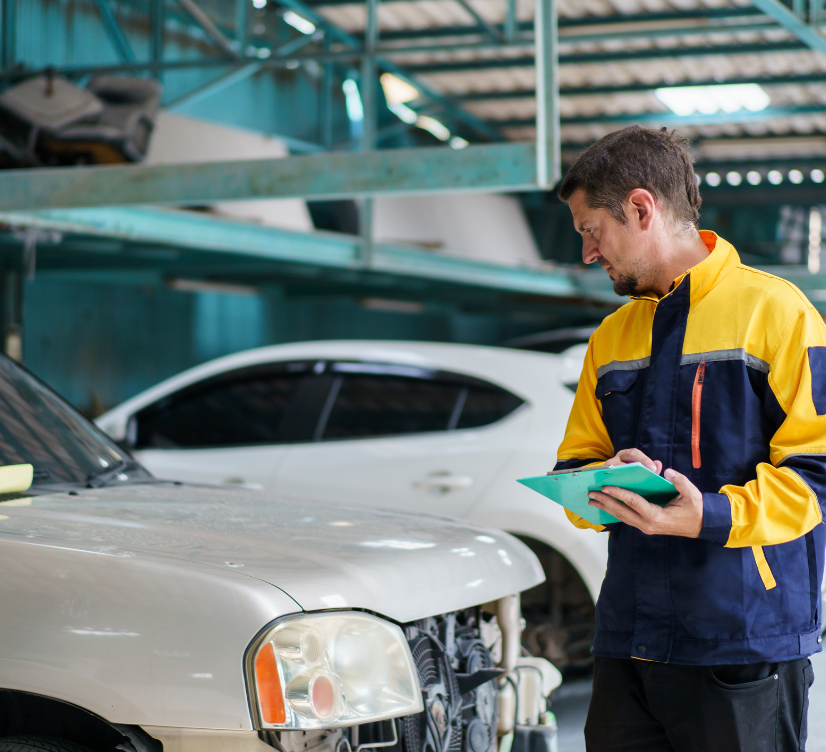
A vehicle pre purchase inspection is a comprehensive evaluation of a car’s condition, performed by a professional mechanic or automotive technician. The goal is to identify any mechanical, cosmetic, or safety issues before you finalize the purchase.
Who Performs the Inspection?
- Independent mechanics
- Certified inspection services
- Mobile auto inspectors
- Specialist garages
These professionals assess everything from the engine to the electrical systems, bodywork, and even take the vehicle for a test drive.
Where Does It Happen?
- At the seller’s location (with mobile inspectors)
- At a local garage
- At a third-party inspection center
Why a Pre Purchase Inspection is a Smart Move
1. Uncover Hidden Problems
Even if a vehicle looks pristine on the outside, it might have underlying mechanical or electrical issues. A PPI can reveal problems like:
- Engine trouble
- Brake wear
- Transmission issues
- Fluid leaks
- Structural damage
- Past accident repairs
2. Protect Your Investment
You wouldn’t buy a house without a home inspection, right? The same logic applies here. A car might be your second-biggest investment. A PPI ensures you’re not unknowingly buying a “money pit.”
3. Strengthen Your Negotiating Power
If the inspection reveals minor issues, you can use that information to negotiate a better price. If it uncovers major problems, you can choose to walk away.
4. Avoid Future Repair Costs
Catching issues early can save you hundreds or even thousands of dollars down the road. Imagine buying a car and then learning it needs a new transmission a week later—that’s a nightmare scenario that inspections help prevent.
What’s Included in a Pre Purchase Inspection?
A thorough inspection will typically cover over 100 checkpoints. Here’s a breakdown of the most common areas reviewed:
1. Exterior Check
- Paint consistency and signs of repainting (which can indicate accident repair)
- Rust or corrosion on body and undercarriage
- Condition of tires and wheels
- Alignment and suspension wear
2. Interior Check
- Dashboard lights and warning signals
- Seats, upholstery, and carpeting
- Air conditioning and heating systems
- Infotainment system and electronics
- Seatbelts and airbags
3. Under the Hood
- Engine condition
- Transmission fluid levels
- Brake fluid and coolant levels
- Oil leaks or engine noises
- Timing belt or chain condition
4. Under the Vehicle
- Leaks from the transmission or differential
- Exhaust system issues
- Suspension components (shocks, struts, bushings)
5. Test Drive
- Handling and steering
- Braking performance
- Acceleration
- Strange noises, vibrations, or smells
- Dashboard indicators while driving
6. Computer Diagnostics
Modern inspections often include an OBD-II scan that reads fault codes from the car’s onboard computer, which can reveal issues not visible to the naked eye.
How Much Does a Pre Purchase Inspection Cost?
The cost can vary depending on your location, the mechanic’s reputation, and the complexity of the vehicle. Here’s a general pricing guide:
- Basic Inspection: $100 – $150
- Comprehensive Inspection with Diagnostic Scan: $150 – $300
- Luxury/Exotic Cars or EVs: $300 – $500+
It might sound like a lot up front, but it’s a fraction of what you’d spend fixing a bad transmission or engine down the line.
When Should You Get a Pre Purchase Inspection?
- Before finalizing the deal: Make the sale contingent on the results of the inspection.
- During negotiation: Use any issues found as leverage to lower the asking price.
- Before putting down a deposit: Some sellers may ask for a refundable deposit—be sure it’s clear you’ll proceed based on the inspection results.
What If the Seller Refuses an Inspection?
This is a huge red flag. If a seller won’t let you take the car for an independent inspection, it could mean they’re hiding something.
Walk away.
No deal is worth the risk of buying a vehicle that hasn’t been properly checked.
Private Seller vs. Dealer: Does It Make a Difference?
Private Sellers
- Less oversight, more risk
- Inspection is highly recommended
Dealerships
- May offer “certified pre-owned” vehicles
- Still consider an independent inspection, especially for out-of-warranty cars
Even “certified” doesn’t mean flawless—it just means the car met that dealer’s internal criteria.
How to Arrange a Pre Purchase Inspection
- Find a certified mechanic or mobile inspection service
- Coordinate with the seller for a time and place
- Review the inspection report carefully
- Ask follow-up questions
- Decide to proceed, negotiate, or walk away
Conclusion: Should You Get a Vehicle Pre Purchase Inspection?
Yes—100% yes.
A pre purchase inspection is one of the smartest moves you can make when buying a used vehicle. For a small upfront cost, you gain peace of mind, avoid costly repairs, and potentially save thousands of dollars.
In a world where used car scams and undisclosed problems are all too common, a professional inspection is your best defense. Don’t skip it. Your wallet—and your future self—will thank you.
Frequently Asked Questions (FAQs)
Q1: Is a pre purchase inspection necessary if the car is certified pre-owned?
A: While CPO vehicles go through dealership inspections, an independent PPI offers unbiased insight and ensures nothing was missed.
Q2: Can I inspect the car myself if I know about cars?
A: Basic checks are fine, but a professional has the tools and training to spot hidden issues—and provide a written report.
Q3: How long does a pre purchase inspection take?
A: Most inspections take between 60 and 90 minutes, depending on the thoroughness and type of vehicle.
Q4: Will dealerships allow a third-party inspection?
A: Reputable dealers will. If they refuse, consider it a warning sign.
Q5: Do mobile inspections offer the same quality as shop-based ones?
A: Yes, many mobile services are just as thorough and offer the added convenience of coming to the seller’s location.
Q6: What if the inspection reveals minor issues?
A: You can either negotiate the price, ask the seller to fix them, or decide whether they’re deal-breakers for you.
Q7: Should I still get an inspection if the car has a clean history report?
A: Yes. History reports (like Carfax) don’t always show current mechanical issues or previous unreported accidents.