

Is Your Support Desk System Truly Resolving Issues Fast?
In the ever-changing, fast-paced world of the digital age, companies are heavily reliant on their support desk ticket system to expedite the handling of customer queries. A good support ticket system can be the difference between a satisfied customer and a frustrated one. But does your system actually expedite the resolution of issues, or does it simply create additional delays in its resolution?
What is a Support Desk Ticket System?
A support desk ticket system is designed to log, manage, prioritize, and track the progress of customer queries until they are resolved. It serves as a centralized place for both customers and support agents to communicate on an individual issue in a systematic manner. Ideally, a support desk ticket system should lead to increased efficiency, shorter response times, and overall smoother customer experiences across the board.
Potential Common Issues with Support Ticket Systems
Even though a support desk ticket system generally aspires to improve customer service on some level, it usually introduces its inefficiencies. Some common challenges many businesses have with support ticket systems include:
- Numerous organizations face a lack of efficiency in their support ticket systems, which results in longer resolution times. Delays often occur when the ticket is not properly classified, or there is too much volume to handle.
- One of the greatest challenges of support is to resolve issues manually, which creates a greater need for automation. Tickets that are not classified properly also cause the resolution process to take longer than needed.
- Additionally, the lack of inherent self-service options creates more work for the support team. Communication slips through the cracks as customers and agents are forced to communicate more than is needed–this causes frustration for both parties.
- Lastly, businesses are unable to optimize any support processes without data-driven insights.
Key Elements for a Working Utility Support Ticket System
As mentioned previously, a support Ticketing System should have and utilize automation and AI-led tools to streamline the resolution of issues. It is best to automate tasks and processes that are repetitive in nature such as categorizing and assigning tickets. This greatly reduces workload and improves response time.
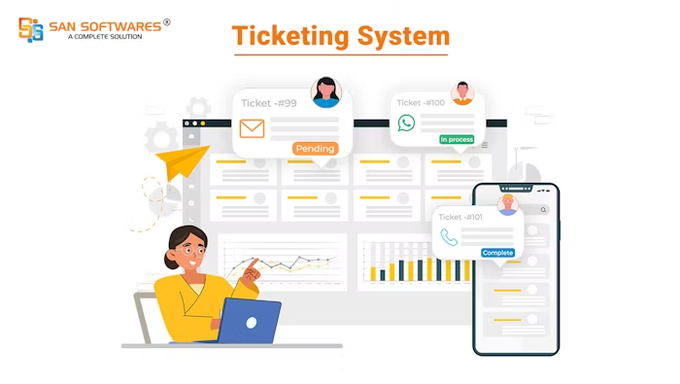
Intelligent routing ensures the proper ticket is routed to the appropriate agent so there are no delays. Support ticketing systems have come up with a way for omnichannel support as well. This enables a customer to create a support ticket from multiple mediums while having everything internalized into a single submission to make tracking easier.
An effective self-service portal defines a customer experience in establishing an FAQ and knowledge base for repeat simple issues to be resolved. Real-time communication adds transparency to the customer’s expectations of understanding their ticket status with a resolution. Finally, advanced analytics and reporting can uncover valuable insights and aid businesses with functional support strategies.
Evaluating the Efficiency of Your Support Ticket System
In today’s fast-paced business environment, an efficient support ticket system is essential for maintaining customer satisfaction and streamlining internal processes. Whether you’re a startup or an established enterprise, regularly evaluating your support ticket system ensures that it meets both customer expectations and organizational goals. Here’s how you can effectively assess its efficiency:
Response and Resolution Time
One of the most critical metrics is how quickly your support team responds to and resolves tickets. Track:
Average First Response Time – Measures how long it takes for a customer to receive an initial reply.
Average Resolution Time – Indicates how long it takes to fully resolve an issue.
Shorter times typically suggest higher efficiency, though quality should not be sacrificed for speed.
Ticket Volume and Trends
- Monitor the number of tickets received daily, weekly, and monthly. Look for:
- Spikes in volume that may indicate recurring issues.
- Decreases in volume after product improvements or knowledge base updates.
- High numbers of reopened or escalated tickets, which may signal deeper problems.
Customer Satisfaction (CSAT)
Customer feedback is a direct indicator of how well your support system is working. Post-resolution surveys can help gather this feedback. A consistently high CSAT score indicates that your system and team are meeting customer needs effectively.
Agent Productivity and Load
Evaluate how many tickets each agent handles and how efficiently they work. Watch for:
- Burnout due to uneven ticket distribution.
- Underutilized agents who could handle more volume. Balancing workloads ensures your team remains productive and motivated.
Automation and Workflow Optimization
A good ticketing system should include automation features like:
- Auto-assignment of tickets based on expertise or priority.
- Canned responses for common queries.
- Escalation rules for overdue tickets. Automation reduces manual effort and speeds up resolution.
Regular Reporting and Analytics
An efficient system offers in-depth reporting to track performance trends over time. Dashboards and custom reports help decision-makers identify gaps, improve strategy, and enhance customer experience. to verify whether you are truly maximizing the efficiency and turnaround time for solving issues with your support ticketing system, you’ll want to look closely at customer satisfaction, associate performance for ticket resolutions, and automation functionality. The customization of tickets and routing tickets can help drive faster response times. You should have self-service functionality to reduce ticket volume. You should also be able to use data and analytics to draw impactful conclusions to improve customer service effectiveness. If you are falling short of meeting any of those goals, it may be time to adjust your support ticket system.
Integration with Other Tools
Check if your support system integrates well with CRM, communication tools, and knowledge bases. Seamless integration ensures that agents have all the information they need at their fingertips, improving both speed and quality of support.
First Contact Resolution Rate (FCR)
FCR measures the percentage of tickets resolved in the first interaction without further follow-up. A high FCR is a sign of a knowledgeable and empowered support team.
Self-Service Effectiveness
Analyze how often customers use your self-service options (like FAQs or help center articles) and whether those resources actually prevent new ticket submissions. An efficient system reduces the need for human intervention.
Scalability and Customization
As your business grows, your ticketing system should scale with you. Ensure your current solution can handle increased volume, allow for workflow changes, and support customization based on your evolving needs.
Conclusion
A support desk ticket system should be an enabler for providing excellent customer service, it should not inhibit you from providing more effective support. Your customer service operation can be transformed by leveraging automation and ticket routing automation, omnichannel support, and effective data and analytics. However, if your ticket system does not support those goals, investing in enhancements will improve resolution, improve performance, and ultimately enhance customer satisfaction, engagement, and loyalty.