

Neuroendocrine Tumors Market: Emerging Trends
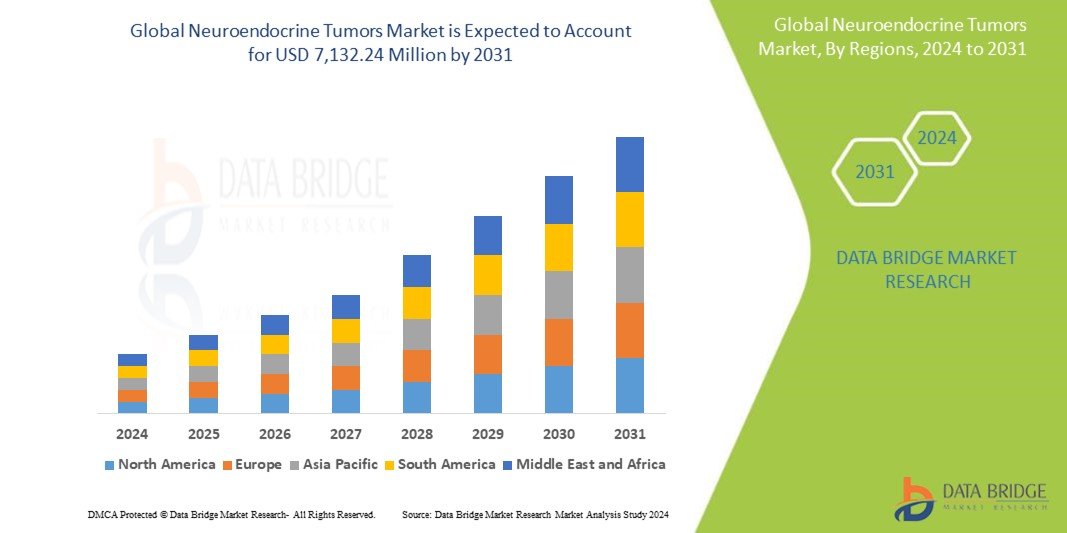
Neuroendocrine tumors (NETs) represent a diverse group of rare malignancies that arise from neuroendocrine cells dispersed throughout the body. Although historically considered obscure and challenging to diagnose, NETs are now gaining increased attention due to rising incidence rates, improved diagnostic technologies, and a growing portfolio of targeted therapies. As a result, the global neuroendocrine tumors market is expanding, fueled by innovation, rising awareness, and demand for better treatment outcomes.
Technological advancements in diagnostics have notably improved the early and accurate detection of historically challenging NETs. This enhanced detection has, in turn, heightened the demand for effective treatment options. Moreover, heightened awareness of NETs among healthcare providers and the public has translated into more patients seeking treatment. The market has also seen a boost from the introduction and approval of novel therapies, particularly targeted treatments, broadening the treatment landscape for patients.
Pharmaceutical companies’ increased R&D investments have played a pivotal role in the market’s expansion. Furthermore, bolstered by supportive government policies and funding, collaborations between academic institutions and biopharmaceutical firms are fast-tracking innovations in oncology, propelling market growth.
Neuroendocrine tumor (NET) treatment encompasses a range of medical approaches tailored to manage these tumors, which originate from neuroendocrine cells exhibiting characteristics of both hormone-producing endocrine cells and nerve cells. Treatment decisions are influenced by factors such as tumor type, location, stage, grade, and the patient’s overall health.
This article explores the current landscape, drivers, restraints, and future potential of the neuroendocrine tumors market.
Understanding Neuroendocrine Tumors
Neuroendocrine tumors develop from cells that have both nerve and endocrine (hormone-producing) features. They can occur throughout the body, most commonly in the gastrointestinal tract, pancreas, and lungs. NETs are classified as functioning (hormone-secreting) or non-functioning and can range from indolent to highly aggressive.
Market Overview
Market Size and Growth
The global neuroendocrine tumors market was valued at approximately USD 2.5 billion in 2023, and it is projected to reach USD 5.5 billion by 2030, growing at a CAGR of 11-12% during the forecast period. This impressive growth is driven by several key factors:
- Increased incidence and prevalence of NETs.
- Improved diagnostic capabilities.
- Expansion of targeted therapies and personalized medicine.
- Rising healthcare expenditure and patient awareness.
Key Market Drivers
1. Rising Incidence and Improved Detection
The incidence of NETs has been steadily rising, partly due to better diagnostic tools. According to the Surveillance, Epidemiology, and End Results (SEER) program, the incidence rate of NETs in the United States increased more than six-fold from 1973 to 2012. This trend is likely to continue with the increasing use of advanced imaging technologies like PET/CT with gallium-68 DOTATATE and endoscopic ultrasound (EUS).
2. Technological Advancements in Diagnosis
Modern imaging techniques and molecular diagnostics have revolutionized the detection and classification of NETs. Biomarkers such as Chromogranin A (CgA), neuron-specific enolase (NSE), and newer circulating tumor DNA (ctDNA) analyses enable early and accurate diagnosis, which is essential for effective treatment planning.
3. Expansion of Targeted Therapies
Historically, treatment options for NETs were limited to surgery, somatostatin analogs, and chemotherapy. However, the introduction of targeted therapies such as everolimus (Afinitor), sunitinib (Sutent), and peptide receptor radionuclide therapy (PRRT) like Lutathera (lutetium Lu 177 dotatate) has dramatically changed the treatment paradigm. These therapies offer better disease control and improved quality of life for patients with advanced or metastatic NETs.
4. Rising Demand for Personalized Medicine
NETs exhibit significant heterogeneity, which necessitates personalized treatment strategies. The use of molecular profiling and genomics allows oncologists to tailor treatments based on tumor type, location, grade, and receptor expression. This trend toward precision oncology is expected to drive the demand for customized therapeutic solutions.
5. Strong R&D Pipeline
Several pharmaceutical and biotechnology companies are investing in the development of novel therapies targeting NETs. Clinical trials investigating immunotherapies, combination regimens, and new radiolabeled agents are ongoing, which is expected to further expand the therapeutic landscape.
Market Restraints and Challenges
1. High Cost of Treatment
Targeted therapies and PRRT are expensive, often requiring substantial healthcare expenditure. In countries with limited access to insurance or public healthcare systems, affordability remains a major barrier. For instance, PRRT with Lutathera can cost upwards of USD 100,000 for a full treatment cycle.
2. Diagnostic Complexity
Despite advancements, diagnosing NETs can be challenging due to their heterogeneous nature and nonspecific symptoms. Many patients are misdiagnosed or diagnosed at advanced stages, limiting treatment efficacy and affecting market growth.
3. Limited Awareness in Developing Regions
In many low- and middle-income countries, NETs remain underdiagnosed due to limited access to diagnostic tools, lack of awareness among healthcare providers, and inadequate healthcare infrastructure.
rket due to high disease prevalence, better reimbursement policies, and strong R&D activity. However, Asia-Pacific is expected to exhibit the highest growth rate due to rising healthcare investments and growing awareness.
Competitive Landscape
Key Players
- Novartis AG – Leading with Lutathera and Sandostatin.
- Pfizer Inc. – With Sutent for pNETs.
- Ipsen – Offers Somatuline Depot (lanreotide).
- Advanced Accelerator Applications (a Novartis company) – PRRT development.
- Exelixis Inc.
- Chiasma, Inc.
- Bristol-Myers Squibb – Exploring checkpoint inhibitors.
- Theragnostics – Radiopharmaceutical R&D.
These companies are actively engaged in mergers, acquisitions, strategic partnerships, and clinical trials to enhance their market presence and expand therapeutic options.
Recent Developments
- In 2023, Novartis launched new studies evaluating combination therapies involving PRRT and checkpoint inhibitors.
- The FDA granted Orphan Drug Designation to several new agents targeting rare NET subtypes.
- Artificial intelligence and digital pathology tools are being explored to improve diagnostic accuracy and patient stratification.
Future Outlook
The neuroendocrine tumors market is poised for continued expansion over the next decade. Key future trends include:
- Increased use of AI in diagnostics and treatment planning.
- Growing role of immunotherapy and novel biologics.
- Adoption of telemedicine and digital platforms for patient monitoring.
- Expansion into emerging markets with better access to healthcare technologies.
- Greater collaboration between academia and industry for translational research.
As treatment paradigms evolve and personalized approaches become the norm, patients with neuroendocrine tumors will benefit from improved survival rates and quality of life. However, the success of this market will also depend on addressing affordability issues, improving early detection in underserved regions, and navigating complex regulatory environments.
Conclusion
The neuroendocrine tumors market is transitioning from a niche segment to a dynamic and innovative space within oncology. With rising disease awareness, technological innovation, and a robust therapeutic pipeline, the outlook remains promising. Strategic investments in R&D, collaborations across stakeholders, and a focus on patient-centered care will be critical in shaping the future of this rapidly evolving market.