

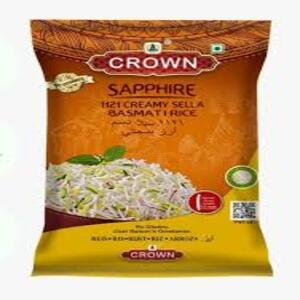
Premium Sella Basmati Rice: Aroma, Flavor, and Quality
Sella basmati rice, also known as parboiled basmati rice, is a unique variety that offers distinct advantages in both flavor and texture. Known for its rich aroma, long grains, and excellent cooking qualities, sella basmati rice has become a favorite choice in many kitchens, particularly for dishes that require the rice to remain separate, fluffy, and non-sticky. Whether used in traditional biryanis, pilafs, or simple steamed rice, sella basmati rice adds a special touch to every dish. This article explores the features, benefits, and cooking tips for sella basmati rice, highlighting its superior qualities and why it’s gaining popularity worldwide.
What is Sella Basmati Rice?
Sella basmati rice is a variant of basmati rice that undergoes a unique parboiling process, which involves partially boiling the rice while still in the husk. This method of processing locks in the nutrients and enhances the rice’s texture. Sella basmati rice is distinct from regular basmati rice because of its firm grains and slightly yellowish hue, a result of the parboiling process. The rice absorbs less water during cooking, which helps maintain its long, slender shape and prevents it from becoming sticky.
The parboiling process also makes sella basmati rice more durable, meaning it has a longer shelf life compared to other basmati varieties. It can withstand the rigors of transportation and storage without losing its quality, making it a popular choice for wholesalers, distributors, and consumers who prioritize rice with a longer shelf life.
The Benefits of Sella Basmati Rice
There are several reasons why sella basmati rice is so highly regarded by chefs, home cooks, and rice distributors worldwide. Here are some of its standout benefits:
- Fluffiness and Non-Stick Texture: One of the main advantages of sella basmati rice is its ability to remain separate and fluffy after cooking. Unlike other rice varieties, which may stick together when cooked, sella basmati rice’s grains tend to stay distinct, making it perfect for dishes like biryani, pilaf, or fried rice. This characteristic is especially important in cuisines where the texture of rice plays a significant role in the dish’s overall appeal.
- Enhanced Aroma: Like traditional basmati rice, sella basmati rice is known for its aromatic fragrance. The aroma of sella basmati rice, which is similar to the sweet, nutty fragrance of aged basmati, adds depth to any dish it accompanies. The aroma is particularly noticeable when the rice is cooked and fills the kitchen with a delicious, inviting scent.
- Nutritional Value: The parboiling process used in the production of sella basmati rice helps retain more of the rice’s nutrients, particularly the B vitamins and minerals like iron and magnesium. This makes sella basmati rice a healthier option compared to regular white rice, which often loses a significant portion of its nutrients during processing.
- Long Shelf Life: Due to its processing method, sella basmati rice has a longer shelf life compared to other basmati rice varieties. The parboiling process locks in nutrients and helps preserve the rice’s quality during storage, making it an ideal option for bulk purchases and long-term storage. This is particularly advantageous for businesses such as restaurants, wholesalers, and distributors who need a rice variety that can be stored for extended periods.
- Versatility in Cooking: Sella basmati rice can be used in a variety of dishes, from traditional Indian biryani and Middle Eastern pilafs to simple steamed rice or even in salads. Its firm texture and distinct grains allow it to hold up well in different types of cooking, making it an incredibly versatile option for both home cooks and professional chefs.
Cooking Tips for Sella Basmati Rice
To get the best results when cooking sella basmati rice, it is important to follow some simple steps that will ensure the rice comes out perfectly every time. Here are some tips for cooking sella basmati rice:
- Rinse the Rice: It is important to rinse sella basmati rice before cooking to remove any excess starch. This will help prevent the rice from becoming too sticky. Rinsing also helps preserve the rice’s aroma and ensures that the grains remain separate during cooking.
- Soak the Rice: Soaking sella basmati rice for about 30 minutes before cooking helps to rehydrate the grains and ensures they cook evenly. This step is especially important for dishes like biryani, where the rice needs to absorb the flavors of the spices and other ingredients.
- Water Ratio: The ideal water-to-rice ratio for sella basmati rice is typically 1.5 to 2 cups of water per cup of rice. Since sella basmati rice has been parboiled, it absorbs water differently than regular basmati rice. It is important to adjust the water ratio based on the desired texture. For a fluffier texture, use less water, while for a softer texture, use slightly more water.
- Cook on Low Heat: After bringing the water to a boil, reduce the heat to low and cover the pot with a tight-fitting lid. Cooking the rice on low heat will help the grains cook evenly and retain their separate, fluffy texture.
- Let it Rest: After the rice is cooked, let it rest for 10 minutes before serving. This allows the steam to distribute evenly through the rice, ensuring that the grains remain firm and separated.
Sella Basmati Rice in Global Cuisines
Sella basmati rice is highly versatile and is used in a wide range of global cuisines. In India, it is most commonly used in traditional dishes like biryani and pulao, where the rice is cooked with spices, meat, and vegetables. The rice’s ability to absorb flavors without losing its texture makes it ideal for these rich, flavorful dishes.
In the Middle East, sella basmati rice is often used to make pilafs, where it is combined with meats, nuts, and dried fruits. The rice’s nutty aroma pairs perfectly with the fragrant spices commonly used in Middle Eastern cuisine, such as cumin, cinnamon, and cardamom.
In Western kitchens, sella basmati rice is often served as a side dish or used in salads and rice bowls. Its light, fluffy texture makes it a great addition to healthy meals, while its distinct fragrance elevates even the simplest of dishes.
Conclusion
Sella basmati rice is a premium rice variety that stands out due to its unique texture, aroma, and versatility. The parboiling process not only preserves its nutritional value but also enhances its ability to remain separate and fluffy after cooking. Whether used in traditional dishes like biryani and pilaf or as a side dish in Western meals, sella basmati rice offers a delightful and flavorful experience. Its long shelf life, combined with its ability to absorb flavors while maintaining its texture, makes it a staple in kitchens and food industries worldwide. For anyone seeking high-quality rice, sella basmati rice is a perfect choice that delivers exceptional taste and texture every time.