

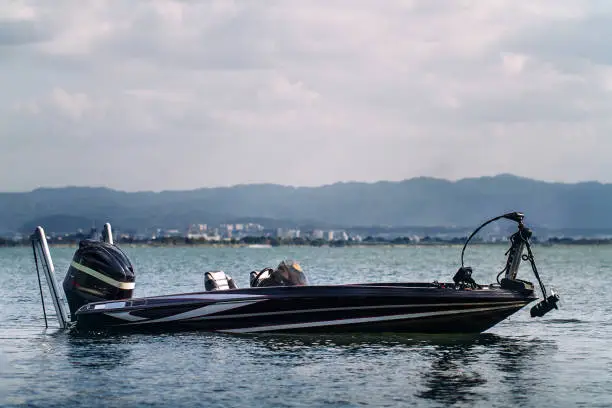
The Ultimate Checklist Before Buying a Bass Boat
Purchasing a bass boat is a significant investment that can greatly enhance your fishing experience. Whether you’re a seasoned angler or a newcomer to the sport, selecting the right boat requires careful consideration of various factors. This comprehensive guide will walk you through the essential steps and considerations to ensure you make an informed decision when buying a bass boat.
1. Determine Your Budget
Establishing a clear budget is the first and most crucial step in the boat-buying process. Bass boats come in a wide range of prices, from affordable options to high-end models. Understanding your financial limits will help narrow down your choices and prevent overspending.
- New vs. Used Boats: Decide whether you want a brand-new boat or are open to purchasing a used one. New boats offer the latest features and warranties but come at a higher price. Used boats can be more affordable but may require more maintenance.
- Additional Costs: Remember to factor in costs beyond the purchase price, such as insurance, registration, maintenance, storage, and fuel.
2. Identify Your Fishing Needs
Your fishing habits and preferences play a significant role in determining the type of bass boat that suits you best.
- Fishing Environment: Consider where you’ll be fishing most often—lakes, rivers, or coastal areas. Different environments may require specific boat features.
- Fishing Style: Think about your fishing style. Do you participate in tournaments, or are you a casual weekend angler? Tournament fishing may necessitate a faster boat with advanced features.
3. Choose the Right Type of Bass Boat
Bass boats come in various types and materials, each with its own set of advantages.
- Aluminum vs. Fiberglass:
- Aluminum Boats: Generally lighter, more affordable, and easier to maneuver in shallow waters. They are also more resistant to dents and scratches.
- Fiberglass Boats: Offer a smoother ride and better performance in rough waters. They often come with more storage and deck space but are typically more expensive.
- Boat Size and Layout: Consider the size of the boat and its layout. Larger boats provide more space and stability but may be harder to transport and store. Ensure the layout accommodates your fishing gear and provides comfortable seating.
4. Research Reputable Brands and Models
Investing in a boat from a reputable manufacturer can ensure quality and better resale value.
- Top Brands: Some well-known bass boat brands include Tracker, Nitro, Ranger, Triton, and Skeeter. Researching these brands and their models can provide insight into the best options available.
- Customer Reviews and Testimonials: Reading reviews and testimonials from other boat owners can offer valuable information about the performance and reliability of specific models.
5. Inspect the Boat’s Condition
A thorough inspection is vital, especially when considering a used boat.
- Hull and Exterior: Examine the hull for any cracks, dents, or signs of repair. Check for any discoloration or blistering, which may indicate underlying issues.
- Engine and Mechanical Systems: Start the engine and listen for unusual noises. Check the engine hours and maintenance records. Ensure all mechanical systems, including the steering and throttle, operate smoothly.
- Electrical Systems: Test all electronics, such as fish finders, GPS, lights, and gauges, to ensure they are functioning correctly.
- Interior and Storage: Inspect the seats, carpet, and storage compartments for any signs of wear, mold, or damage.
6. Evaluate the Trailer
The trailer is an essential component, as it affects the transportation and storage of your boat.
- Frame and Structure: Look for rust, cracks, or damage on the trailer frame. Ensure the bunks and rollers are in good condition and properly support the boat.
- Tires and Bearings: Check the tires for tread wear and cracks. Inspect the wheel bearings for any signs of leakage or damage.
- Lights and Brakes: Test the trailer lights and brakes to ensure they are operational and comply with safety regulations.
7. Consider the Boat’s Performance
Understanding the boat’s performance characteristics can help ensure it meets your expectations.
- Speed and Handling: Consider the boat’s top speed and how it handles at various speeds. A test drive can provide firsthand experience of its performance.
- Fuel Efficiency: Evaluate the boat’s fuel consumption to estimate operating costs.
- Stability and Comfort: Assess the boat’s stability when stationary and underway. Comfort is crucial, especially during long fishing trips.
8. Verify Legal and Safety Requirements
Ensuring the boat complies with legal and safety standards is essential.
- Title and Registration: Confirm that the boat has a clear title and is properly registered.
- Safety Equipment: Ensure the boat is equipped with necessary safety gear, such as life jackets, fire extinguishers, and signaling devices.
- Insurance: Research insurance options to protect your investment and comply with any legal requirements.
9. Explore Financing Options
If you’re not purchasing the boat outright, consider your financing options.
- Loan Terms: Compare interest rates, loan terms, and monthly payments from various lenders.
- Credit Score: Your credit score can significantly impact the financing options available to you. Ensure your credit report is accurate and in good standing.
- Pre-Approval: Obtaining pre-approval can give you a clear understanding of your budget and streamline the purchasing process.
10. Plan for Maintenance and Storage
Proper maintenance and storage will extend the life of your bass boat and maintain its value.
- Regular Maintenance: Schedule routine maintenance for the engine, electronics, and hull. Regular upkeep helps prevent costly repairs.
- Seasonal Maintenance: Prepare your boat for seasonal changes. This includes winterizing it or preparing it for summer use.
- Storage Options: Consider where and how you’ll store your boat. Options include dry storage, marina slips, or garage space.
- Cleaning and Protection: Wash and wax your boat regularly. Covering your boat when not in use protects it from UV rays and environmental damage.
11. Assess Dealer or Seller Reputation
Whether buying from a dealer or private seller, reputation matters.
- Licensed Dealers: Work with authorized dealers who offer warranties and service packages. They can also provide detailed knowledge about each model.
- Private Sellers: When buying from a private seller, ask for service records and perform a thorough inspection.
- Negotiation and Documentation: Be prepared to negotiate the price. Always complete a proper bill of sale and title transfer to avoid legal issues.
12. Conduct a Sea Trial
A sea trial is the equivalent of a test drive and is essential before making your final decision.
- Real-World Performance: Observe how the boat handles in open water, under various speeds and weather conditions.
- Comfort and Ergonomics: Make sure you’re comfortable operating the controls, seating, and fishing platforms.
- Noise and Vibration: Listen for strange sounds or excessive vibration that may indicate issues.
13. Review Resale Value
While buying a boat is exciting, keep its resale value in mind.
- Depreciation: Like cars, boats depreciate. Newer models lose value faster, while used boats may hold their value longer.
- Popular Models: Certain brands and models retain their value better due to reliability and demand.
- Upgrades and Features: Boats with modern features like GPS, live wells, and trolling motors tend to have better resale value.
14. Think About Future Modifications
Consider whether the boat can be customized to fit your evolving needs.
- Accessories: Look for boats that can be fitted with fish finders, trolling motors, or custom storage options.
- Electrical Systems: Boats with updated wiring are easier to upgrade with modern tech.
- Seating and Storage: The ability to reconfigure or add storage is important for long-term usability.
15. Shop Smart and Be Patient
Don’t rush the process. The right boat will come along, and patience pays off.
- Compare Listings: Look across multiple platforms, dealerships, and marketplaces.
- Attend Boat Shows: Boat shows are excellent places to see a variety of models and talk to multiple sellers in one location.
- Be Ready to Act: When you find the right boat at the right price, act quickly—especially in competitive markets.
One Last Look Before You Buy
Before signing any paperwork, take a final step back and review your checklist:
- Have you thoroughly inspected the boat and trailer?
- Is the price within your budget, including taxes and fees?
- Have you test-driven the boat and confirmed it performs well?
- Do you feel confident in the seller or dealer?
- Is the title clean and paperwork ready?
If the answer is yes to all the above, congratulations—you’re ready to make your purchase.
And if you’re on the lookout for cheap bass boats for sale, make sure to cross-reference online platforms and regional dealers to uncover the best available options within your budget.
BassBoat4Sale makes the process simple for buyers and sellers alike. It’s a reliable platform to buy, sell, or finance premium bass boats, providing fair evaluations, great pricing, and access to trusted sellers. Their expert team helps ensure every step—from pricing to final purchase—is clear and easy to navigate.
click here to visit website for more interesting collection of articles