

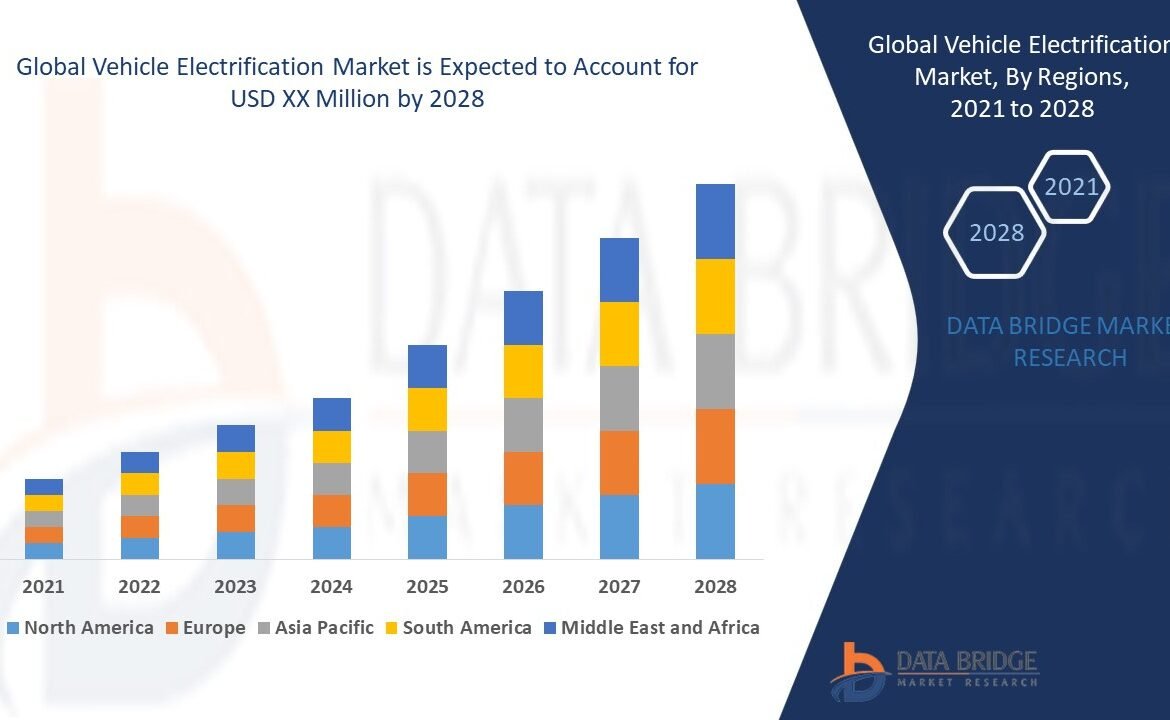
Vehicle Electrification: A Comprehensive Guide
Introduction
The global automotive industry is undergoing a profound transformation, with vehicle electrification emerging as the linchpin of a cleaner, smarter, and more sustainable mobility future. Driven by environmental concerns, regulatory mandates, and breakthroughs in battery and charging technologies, the shift from internal combustion engines (ICE) to electric propulsion systems is gaining significant momentum worldwide.
In this in-depth exploration, we examine the core drivers, technological advancements, market dynamics, challenges, and opportunities shaping the future of vehicle electrification. Whether you are an industry stakeholder, policymaker, investor, or simply an auto enthusiast, this guide offers valuable insights into the fast-evolving world of electric vehicles (EVs).
What is Vehicle Electrification?
Vehicle electrification refers to the process of replacing conventional mechanical systems and fossil-fuel-based propulsion with electric-powered components and drive systems. It encompasses a range of vehicles, including:
- Battery Electric Vehicles (BEVs)
- Plug-in Hybrid Electric Vehicles (PHEVs)
- Hybrid Electric Vehicles (HEVs)
- Fuel Cell Electric Vehicles (FCEVs)
This transformation is not only about replacing engines but rethinking the architecture of vehicles, integrating software, connectivity, and intelligent energy management to make transportation cleaner and more efficient.
Why Vehicle Electrification Matters
1. Climate Change Mitigation
The transportation sector accounts for approximately 25% of global greenhouse gas emissions. Electrification reduces tailpipe emissions, thereby playing a crucial role in meeting climate goals such as the Paris Agreement and achieving net-zero carbon targets by mid-century.
2. Energy Efficiency
Electric vehicles convert more than 85% of electrical energy into motion, compared to only about 20-30% for gasoline engines. This efficiency contributes to reduced energy consumption and lower operational costs.
3. Air Quality and Public Health
Cities plagued by smog and pollution are seeing electric mobility as a solution to improve urban air quality, reduce respiratory illnesses, and enhance the quality of life.
4. Economic and Industrial Transformation
Electrification is disrupting traditional automotive value chains, creating new growth avenues for sectors like batteries, semiconductors, software, and renewable energy.
Types of Electrified Vehicles
1. Battery Electric Vehicles (BEVs)
BEVs are fully electric vehicles powered solely by electric batteries. Popular models include the Tesla Model 3, Nissan Leaf, and Chevrolet Bolt.
- Pros: Zero tailpipe emissions, lower operating costs, government incentives.
- Cons: Range anxiety, longer charging times, and limited charging infrastructure.
2. Plug-in Hybrid Electric Vehicles (PHEVs)
PHEVs combine a conventional engine with an electric motor and battery that can be charged via an external power source. Examples: Toyota Prius Prime, Volvo XC90 T8.
- Pros: Flexibility of fuel and electric power, reduced emissions.
- Cons: More complex systems, lower electric-only range.
3. Hybrid Electric Vehicles (HEVs)
HEVs are powered by both an internal combustion engine and an electric propulsion system that charges through regenerative braking. Example: Toyota Prius, Honda Insight.
- Pros: No need to plug in, improved fuel economy.
- Cons: Limited electric range, still dependent on fossil fuels.
4. Fuel Cell Electric Vehicles (FCEVs)
These vehicles generate electricity through a chemical reaction between hydrogen and oxygen, emitting only water vapor. Example: Toyota Mirai, Hyundai NEXO.
- Pros: Fast refueling, long range.
- Cons: Expensive, limited infrastructure for hydrogen fueling.
Global Market Trends and Growth Drivers
1. Rising Consumer Adoption
The global electric vehicle stock surpassed 35 million in 2023, up from just 7.2 million in 2019. Countries like China, Norway, Germany, and the U.S. are leading in EV sales due to government incentives, increased model availability, and improved charging infrastructure.
2. Falling Battery Costs
Lithium-ion battery prices have dropped by nearly 90% over the past decade, making EVs more cost-competitive with ICE vehicles. This trend is expected to continue as solid-state batteries and next-gen chemistries enter commercial production.
3. Stringent Emission Regulations
Governments across the globe are setting ambitious targets:
- EU: Ban on ICE vehicles by 2035.
- California: All new cars sold by 2035 must be zero-emission.
- India: FAME II scheme to promote EV adoption.
4. OEM Commitments
Major automakers are investing billions into EV development:
- General Motors: 30 EV models by 2025.
- Volkswagen: €180 billion investment in electrification.
- Toyota, Hyundai, Ford, and Mercedes-Benz are also ramping up EV production.
Technological Innovations Powering Electrification
1. Advanced Batteries
From NMC (Nickel Manganese Cobalt) to LFP (Lithium Iron Phosphate) and solid-state batteries, innovation is focused on increasing energy density, safety, and cost-effectiveness.
2. Fast Charging Infrastructure
Ultra-fast chargers (350 kW and above) can charge EVs in under 20 minutes. Charging networks like Tesla Superchargers, Electrify America, and Ionity are expanding globally.
3. Smart Energy Management
EVs are increasingly integrated with vehicle-to-grid (V2G) systems, enabling them to store and return electricity, aiding grid stability and energy efficiency.
4. Lightweight Materials and Aerodynamics
To enhance range, manufacturers are using carbon fiber, aluminum, and composite materials, along with streamlined designs to reduce drag.
5. Connectivity and Autonomy
Many EVs are equipped with AI-driven software, remote diagnostics, and autonomous driving capabilities, turning vehicles into intelligent, upgradable platforms.
Challenges and Bottlenecks
1. Charging Infrastructure Gaps
Inconsistent or insufficient charging stations, especially in rural and developing areas, can hinder adoption.
2. Range Anxiety
Although range is improving (300+ miles for many models), consumer hesitation persists, especially in cold climates or long-distance travel scenarios.
3. Raw Material Supply Chain
Critical minerals like lithium, cobalt, and nickel face geopolitical risks, ethical concerns (e.g., child labor), and supply shortages.
4. High Upfront Costs
While operational costs are lower, EVs often carry a higher sticker price, though this is decreasing with economies of scale.
5. Grid Load Management
Mass adoption of EVs could strain power grids, requiring smart charging solutions, grid upgrades, and integration with renewable energy.
Government Policies & Incentives
Global Highlights:
- United States: Tax credits of up to $7,500 for eligible EVs under the Inflation Reduction Act.
- European Union: Subsidies, green zones, and emissions trading schemes.
- China: World’s largest EV market, driven by direct subsidies and production mandates.
- India: Incentives under FAME II, state EV policies, and public charging infrastructure rollouts.
These policy interventions are pivotal in accelerating EV adoption and infrastructure development.
Environmental and Economic Impact
Positive Outcomes
- Reduction in CO₂ and NOx emissions
- Lower noise pollution
- Job creation in battery manufacturing, software, and infrastructure
- Energy independence by reducing fossil fuel imports
Concerns to Address
- Battery disposal and recycling challenges
- High carbon footprint in mining and battery production (though improving)
- Job displacement in traditional auto manufacturing
Vehicle Electrification in Emerging Markets
While North America, Europe, and China are leading, countries like India, Brazil, Southeast Asia, and Africa are at the cusp of transformation. Challenges like infrastructure, affordability, and consumer awareness need tailored strategies.
Startups and local OEMs are developing low-cost two-wheelers, electric rickshaws, and commercial EVs to cater to unique market needs.
Future Outlook
1. EVs Going Mainstream
By 2030, EVs are projected to constitute over 60% of new car sales in leading markets. Fleet electrification across public transport, delivery, and logistics will further accelerate adoption.
2. Battery Technology Leap
Expect solid-state batteries, graphene batteries, and ultracapacitors to drastically improve performance and safety.
3. Sustainable Ecosystem
Integration with renewable energy, smart grids, and circular battery economies will make EVs truly sustainable.
4. Autonomous Electric Vehicles (AEVs)
The convergence of electrification and autonomy will redefine mobility services like ride-hailing, logistics, and public transportation.
Source: https://www.databridgemarketresearch.com/reports/global-vehicle-electrification-market
Conclusion
Vehicle electrification is more than just a technological upgrade—it represents a paradigm shift in how we think about energy, environment, and transportation. While challenges remain, the convergence of innovation, regulation, and consumer interest signals a bright, electrified future.
For stakeholders across industries—from OEMs and energy providers to governments and consumers—the road ahead is full of opportunity. The key lies in collaboration, innovation, and sustained investment to drive the transition toward a cleaner and more connected mobility ecosystem.