


What Type of Acoustic Wall Panel Is Best for Home Studios
Setting up a home studio can be exciting, especially if you love music, podcasting, or voice-over work. But if your room sounds echoey or noisy, it can make recording frustrating. One of the best ways to fix this is by using acoustic wall panels. These panels help absorb sound and reduce echo so your recordings sound clean and clear.
But here comes the big question—what type of acoustic wall panel is best for home studios?
Let’s break it down in simple words to help you understand your options and choose the right panel for your studio.
Note : Ready to upgrade your sound? Start your setup today with the right acoustic wall panels and bring professional-quality sound to your home studio.
What Are Acoustic Wall Panels and Why Are They Important?
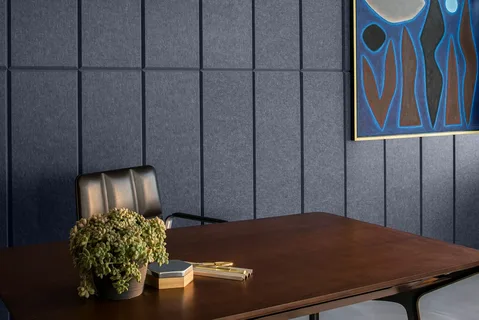
Acoustic wall panels help control sound inside a room
Acoustic wall panels are soft panels that you put on your walls to absorb sound. They stop sound waves from bouncing around the room, which helps to reduce echo and noise.
In a home studio, this is super important. If your room has too much echo, your voice or instruments will not sound good when recorded. Acoustic panels help make the sound clean and sharp.
Things to Keep in Mind Before Choosing Acoustic Panels
Not all panels are the same
Before you buy any acoustic panels, there are a few things you should think about. Here’s a list to help you make the right decision:
1. Room Size
- A small room needs fewer panels.
- A big room might need more panels to cover the sound properly.
2. Wall Material
- Hard walls like concrete reflect more sound.
- Softer walls may absorb a bit of sound already.
3. Purpose of Your Studio
- Are you recording vocals only?
- Are you playing loud instruments?
- Or are you mixing and mastering music?
Different purposes may need different levels of sound control.
Types of Acoustic Wall Panels for Home Studios
Let’s look at the most common and effective types
There are many types of acoustic panels available in the market. Below are the most commonly used ones for home studios, along with what they are best for.
1. Foam Acoustic Panels – Best for Basic Home Studios
What are foam panels?
These are the most popular panels for beginners. They are lightweight and easy to stick to your walls using adhesive or tape. Most of them come in pyramid or wedge shapes.
Benefits of foam panels
- Budget-friendly
- Easy to install
- Available in different colors and styles
- Great for reducing echo and mid to high frequencies
Best use case
- Ideal for podcasters, voice-over artists, or vocal recordings
Things to consider
- Not very good at blocking sound from outside
- Not suitable for deep bass control
2. Fabric-Wrapped Panels – Best for Better Sound Quality
What are fabric-wrapped panels?
These panels are made with soft fabric on the outside and sound-absorbing material like fiberglass or mineral wool inside. They look more professional and are often used in studios, theaters, and conference rooms.
Benefits of fabric-wrapped panels
- Better sound absorption than foam
- Helps with all frequency ranges (high, mid, and some low)
- Looks more professional and blends with room decor
Best use case
- Great for musicians, music producers, or those doing detailed sound work
Things to consider
- More expensive than foam
- Heavier and may need strong wall hooks or mounts
3. Bass Traps – Best for Controlling Low-Frequency Sounds
What are bass traps?
Bass traps are thicker acoustic panels that are placed in the corners of your studio. Bass sounds usually build up in corners, and these panels help control those sounds.
Benefits of bass traps
- Reduces “boomy” or muffled sound
- Controls low-end frequencies
- Improves clarity in music and voice recordings
Best use case
- Must-have for any music studio, especially if you’re recording or mixing bass-heavy music
Things to consider
- Not a replacement for wall panels—best when used along with them
- Usually placed in corners, not on flat walls
4. Diffusers – Best for Keeping Some Natural Sound
What are diffusers?
Unlike foam or fabric panels that absorb sound, diffusers scatter the sound waves. This helps keep the room from sounding too “dead” or silent while still controlling echo.
Benefits of diffusers
- Keeps some natural reverb
- Helps improve sound balance in the room
- Good for musical recordings that need a lively feel
Best use case
- Great for mixing rooms or studios where live music is recorded
Things to consider
- Should be combined with absorbent panels for best results
- A bit more expensive and harder to install
Which Type of Panel Should You Choose for Your Home Studio?
Every panel has a role—combine them wisely
No single panel can fix everything. The best sound setup usually includes a mix of panels. Here’s a simple guide:
For a beginner vocal studio:
- Use foam panels on walls and bass traps in the corners.
For a podcast or voice-over studio:
- Use fabric-wrapped panels behind the mic and foam panels on sidewalls.
For a music production studio:
- Use fabric-wrapped panels, bass traps, and diffusers together.
Where Should You Place Acoustic Panels in Your Studio?
Proper placement matters more than you think
Even the best acoustic panels won’t work well if you don’t place them correctly. Here’s where to put them:
Behind the microphone
This helps catch your voice clearly and stops echo from the back wall.
On side walls
Place panels at ear level where the sound bounces off when recording.
On the ceiling
Sound bounces off ceilings too, especially in small rooms. Consider placing some panels above your workstation.
In the corners
This is where bass traps go. Corners are the hotspots for bass buildup.
How Many Panels Do You Really Need?
Start small and add more if needed
You don’t need to cover every inch of your wall. In fact, that might make your room too silent. A good rule of thumb:
- Small Room (10×10 ft): 6 to 10 panels + 2 bass traps
- Medium Room (12×14 ft): 10 to 16 panels + 4 bass traps
- Large Room: Add more panels as needed, especially around recording and mixing areas
Start with fewer panels, then record some tests. If it still sounds echoey, add a few more.
Other Helpful Tips for Better Studio Sound
These extra tips can help you improve your setup
Use thick carpets or rugs
This helps reduce floor reflections, especially in rooms with hard flooring.
Add bookshelves or furniture
Books and soft furniture like couches also help absorb sound naturally.
Use door seals
Sound can leak through gaps in doors. Door seals or draft stoppers help block unwanted noise.
Turn off fans and noisy electronics
Even small background noise can ruin a good recording.
Final Thoughts: Choosing the Right Acoustic Wall Panel for Your Home Studio
Make the choice based on your needs and budget
Setting up a home studio doesn’t have to be expensive or confusing. When it comes to acoustic panels:
- Foam panels are great for beginners.
- Fabric panels are ideal for better quality recordings.
- Bass traps are essential for deep sound control.
- Diffusers are helpful when you want to keep a natural sound feel.
If you’re just starting, begin with foam panels and corner bass traps. As your needs grow, you can add better panels and more soundproofing tools.
The most important thing is to test your room, record, and listen. Your ears will tell you what’s working and what’s not.
Quick Summary Table
| Type of Panel | Best For | Cost | Easy to Install? | Controls Which Sounds? |
|---|---|---|---|---|
| Foam Panels | Beginners, vocals, podcasts | Low | Yes | Mid to High |
| Fabric-Wrapped | Music, voice-over, quality | Medium to High | No | All ranges |
| Bass Traps | All studios, music | Medium | Yes | Low frequencies |
| Diffusers | Music, live room sound | High | No | Scatters sound |
Final Call: Build Your Home Studio the Right Way
If you want your recordings to sound better, don’t skip acoustic treatment. Start simple, listen carefully, and improve as you go.
No matter if you’re recording a song, a podcast, or a YouTube video—acoustic panels will make a big difference.
Got your panel type in mind? Start building your dream studio today and enjoy clear, crisp sound right from your home.
For more insightful articles related to this topic, feel free to visit : futuretechradar