

Who Should Install an Automatic Door Slider?
In an increasingly automated world, convenience, accessibility, and hygiene have become top priorities across residential, commercial, and industrial spaces. Among the many technological advancements making everyday life easier, automatic door sliders stand out as a subtle yet significant innovation. These systems offer seamless access and are becoming a standard feature in various buildings. But the question arises: who should install an automatic door slider? This article explores the various individuals, businesses, and institutions that can benefit from these systems and why the decision to install one might be more than just a luxury—it could be a necessity.
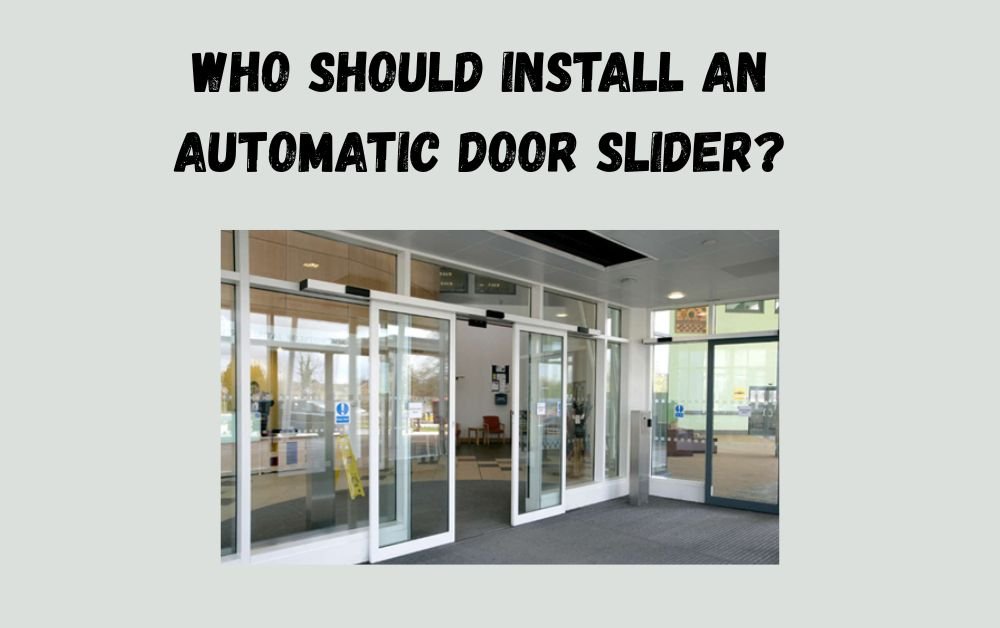
Note: An Automatic Door Slider was fitted to meet hygiene standards and improve energy efficiency in high-traffic areas. The transformation created a seamless and secure entry experience. Get in touch with BMTS Automatic Doors for a consultation on your automation needs.
Understanding Automatic Door Sliders

Before diving into the specifics of who should install them, it’s important to understand what automatic door sliders are. These are door systems that operate without the need for manual input. Using sensors, motors, and control units, these doors slide open and close automatically, responding to motion, pressure, or even voice commands in some advanced models.
These systems are not only about luxury or aesthetics; they serve practical purposes including improved access control, energy efficiency, and safety. They are commonly used in hospitals, malls, offices, airports, and increasingly, in smart homes.
Commercial Establishments
Commercial buildings are perhaps the most obvious candidates for installing automatic door sliders. In high-traffic areas like shopping malls, retail stores, restaurants, and office complexes, these doors provide a smooth and efficient way to manage crowd movement.
Businesses benefit from increased accessibility, especially for individuals with disabilities. Automatic doors ensure compliance with accessibility regulations while also offering a professional appearance to clients and customers. For example, a retail store can improve customer experience and reduce physical contact with surfaces, enhancing hygiene—a concern that gained significant attention during the COVID-19 pandemic.
Additionally, these systems can be integrated with security and access control technologies, making them ideal for managing employee entrances and restricted areas in corporate settings.
Healthcare Facilities
Hospitals, clinics, and elder care homes greatly benefit from automatic door sliders. In healthcare environments, hygiene is paramount, and minimizing surface contact can reduce the spread of germs and infections. Automatic doors support this by allowing patients, staff, and visitors to move freely without the need for physical contact.
Beyond hygiene, accessibility is another crucial factor. Patients in wheelchairs or with limited mobility often face difficulties using traditional doors. Automatic sliders create a barrier-free environment that enhances patient safety and independence.
In emergency situations, such as when patients are being rushed on stretchers or wheelchairs, these doors also ensure smooth, uninterrupted movement across departments.
Educational Institutions
Schools, universities, and training centers are increasingly adopting automatic door systems. While safety and accessibility are key motivations, energy efficiency also plays a role. Automatic door sliders can be programmed to open only when necessary, thereby reducing the amount of heat or cool air that escapes, thus lowering utility bills.
In educational institutions with hundreds or thousands of students moving through hallways and entrances, automatic doors help manage foot traffic efficiently. In particular, facilities catering to students with disabilities gain the most, as these doors contribute to an inclusive learning environment.
Moreover, institutions can combine these doors with security protocols like badge readers or biometric scanners to restrict access to certain areas, such as laboratories or administrative offices.
Hotels and Hospitality Venues
The hospitality industry thrives on guest experience. Hotels, resorts, and convention centers often invest in automatic door sliders to enhance convenience and comfort. Guests carrying luggage or entering with children find it easier to access facilities without the hassle of pushing or pulling heavy doors.
Beyond main entrances, these doors are also useful for internal spaces like conference rooms, restaurants, and spa areas. They contribute to a polished and luxurious ambiance while streamlining movement within the facility.
Security features can be customized in these doors, allowing management to control access to VIP areas or staff-only zones. For luxury brands, automatic doors are also part of a broader branding effort, showcasing a commitment to modern design and customer satisfaction.
Industrial and Manufacturing Plants
Factories and warehouses have specific operational needs that automatic door sliders can address. In these environments, speed, efficiency, and safety are paramount. Automatic doors allow forklift operators and workers to move materials quickly without stopping to open or close doors manually.
These systems can be installed with rugged, industrial-grade materials to withstand harsh conditions such as dust, humidity, and temperature fluctuations. Some models come with specialized sensors to prevent collisions and injuries, making them an essential safety upgrade in fast-paced environments.
For areas requiring controlled environments, such as cleanrooms or refrigeration zones, automatic doors help maintain air pressure and temperature by limiting unnecessary opening times.
Residential Homes and Apartments
Though less common than in commercial or public spaces, automatic door sliders are gradually making their way into residential applications. Homeowners looking to improve accessibility, particularly for elderly family members or individuals with disabilities, are installing automatic systems for main entrances, patio doors, and even interior spaces.
Smart home integration is another reason why these systems are gaining popularity. With voice-activated assistants and mobile apps, residents can control door functions remotely. This provides a mix of security, convenience, and futuristic appeal.
In high-end residential buildings and gated communities, automatic doors serve not just a practical purpose but also enhance aesthetic appeal and property value. Builders and developers may choose to include these systems as part of their standard offerings to attract premium buyers.
Government and Public Buildings
Accessibility laws and regulations often mandate the installation of automatic door sliders in public buildings, including municipal offices, courthouses, libraries, and transportation hubs. These doors help the government ensure that public services are available to all citizens, including those with mobility challenges.
In addition, automatic doors in government facilities improve security and monitoring. For instance, doors can be programmed to work with ID badges, visitor logs, and surveillance systems. This adds an extra layer of control, especially in sensitive buildings like police stations or immigration offices.
Installing these systems is not just about compliance; it’s about providing an equitable, respectful experience for all members of the public.
Event Venues and Exhibition Centers
Venues hosting large crowds, such as stadiums, exhibition halls, and theaters, are ideal locations for automatic door sliders. These doors facilitate rapid entry and exit during events, improving crowd control and minimizing bottlenecks.
For organizers, these doors provide operational benefits, especially when dealing with tight schedules and high foot traffic. Additionally, automated systems can be temporarily configured or locked down depending on event needs, adding to the versatility of such facilities.
From a security standpoint, automatic sliders can be integrated with ticketing systems, allowing entry only to authorized attendees, which is particularly useful for managing private or high-profile events.
Transportation Facilities
Airports, train stations, bus terminals, and ports experience an extremely high volume of people every day. Installing automatic door sliders in these facilities is crucial to maintaining smooth operations. Not only do these doors ease passenger movement, but they also help in managing airflow between different sections, such as between terminals and boarding gates.
For safety and security, automatic doors can be synchronized with alarms, scanners, and surveillance systems. This integration plays a vital role in incident management and crowd dispersal in case of emergencies.
Small Businesses and Boutiques
Even small businesses can benefit from the efficiency and modern feel of an automatic door slider. While budget constraints may be a concern, the long-term savings in terms of energy, accessibility compliance, and customer satisfaction often outweigh the initial investment.
For example, cafes, salons, and boutique stores located in busy urban areas can differentiate themselves by offering an elevated experience. Customers notice the small details, and an automatic door can set a business apart from its competitors.
Conclusion
The question of who should install an automatic door slider doesn’t have a single answer. The decision depends on a range of factors including accessibility needs, hygiene standards, traffic volume, and even branding goals. From hospitals and hotels to private homes and government buildings, the versatility of these systems makes them suitable for nearly any environment.
As technology continues to evolve and smart infrastructure becomes the norm, automatic door sliders are shifting from being optional luxuries to necessary fixtures. Whether you’re a business owner aiming to improve customer experience or a homeowner looking for greater convenience, the value offered by these systems is hard to ignore.
For more insightful articles related to this topic, feel free to visit futuretechradar