

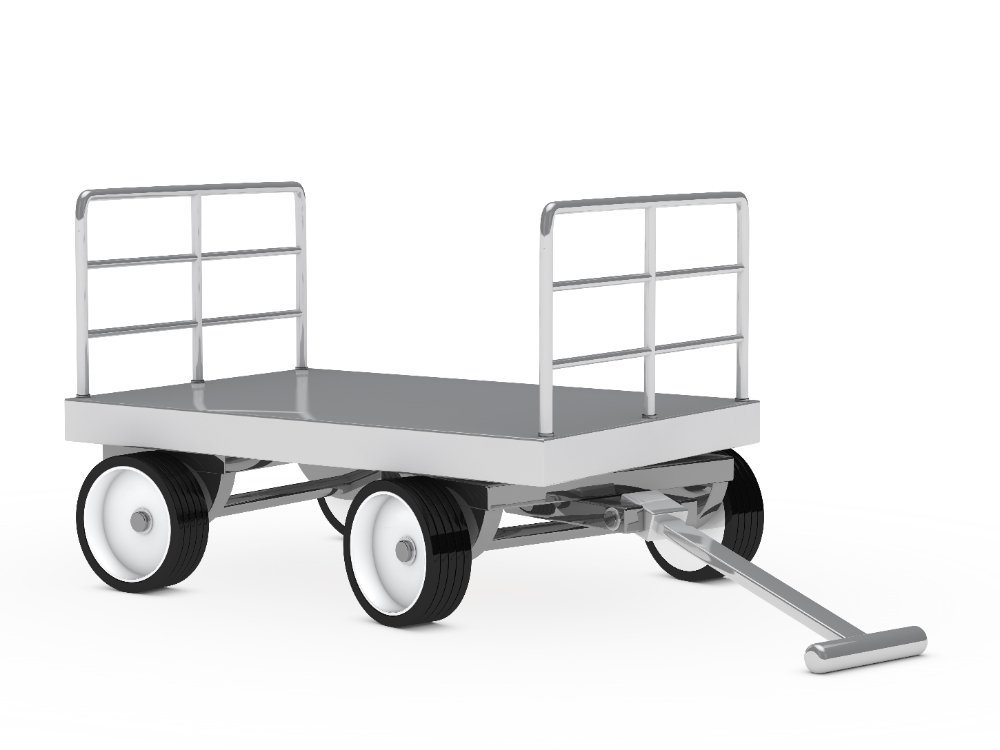
Why Fixed Caster Wheel Are Essential for Stability
When it comes to material handling, furniture, or industrial equipment, caster wheels play a vital role in ensuring smooth movement and operational efficiency. Among the different types of caster wheels, fixed caster wheels stand out for their simplicity, reliability, and stability. While swivel caster wheels offer maneuverability, fixed caster wheel offer unmatched control and consistency, making them essential in various applications. In this blog, we’ll explore why fixed caster wheels are crucial for stability and control, and how they contribute to safer and more efficient operations in both industrial and commercial settings.
Understanding Fixed Caster Wheel
A fixed caster wheel, also known as a rigid caster, is a type of wheel that is attached to a frame in a fixed position. Unlike swivel caster wheels, which can rotate 360 degrees, fixed caster wheels are designed to travel in a straight line without changing direction. This unique design provides essential benefits when stability, control, and precision are required. The simplicity of the fixed caster wheel makes it a cost-effective solution for a wide range of applications, from small furniture pieces to large industrial machinery.
The Role of Fixed Caster Wheels in Stability
One of the main reasons fixed caster wheels are preferred in many applications is their ability to provide stability. Because they don’t swivel, fixed caster wheels ensure that objects move in a straight line, reducing the risk of tipping or veering off course. This predictable movement makes them particularly useful in situations where the stability of the load is a priority.
For example, in warehouses and factories, where heavy machinery or carts are often moved along narrow aisles or along predefined paths, fixed caster wheels allow for controlled, consistent movement. The wheels’ fixed position ensures that there is no drifting or unintentional turning, reducing the risk of accidents and making handling easier and more predictable.
In addition, fixed caster wheels contribute to overall stability by preventing the possibility of a cart or equipment from moving in an uncontrolled or erratic direction. When the load is firmly fixed in a straight line, it stays on track, and the risk of tipping over is significantly reduced. This is particularly important for heavy-duty equipment or sensitive machinery, where a sudden shift in direction could cause significant damage or operational delays.
Enhanced Control with Fixed Caster Wheels
While swivel casters provide flexibility in movement, fixed caster wheels excel in delivering greater control over direction. Fixed casters are ideal for situations where you need to move heavy loads in a controlled, straight path. This level of control is essential when precision is required, such as in high-volume manufacturing, assembly lines, or in environments where certain equipment needs to stay aligned on a predefined course.
For example, in industrial settings where carts are loaded with parts, products, or materials, the ability to ensure the cart moves in a straight line without deviating is crucial. Fixed caster wheels make it easier to control the direction of movement, allowing workers to push or pull the load along a specific path. Whether it’s moving large pallets of goods or heavy machinery, fixed casters offer the stability and control required to ensure smooth, precise handling.
Fixed caster wheels also contribute to better maneuverability in tight spaces. In narrow aisles or confined environments, where turning may not be an option, fixed caster wheels ensure that equipment moves in a predictable direction, allowing operators to navigate with confidence. They provide a predictable and reliable path, making them an essential component in environments with limited space.
Durability and Longevity
Fixed caster wheels are highly regarded for their exceptional durability, particularly in heavy-duty applications, where reliability and long-term performance are essential. Their straightforward design, which eliminates the complexity of swiveling components, contributes significantly to their robustness. With fewer moving parts, fixed caster wheels experience less friction and wear compared to swivel casters, making them better equipped to handle the continuous motion typically found in industrial and commercial environments.
The simplicity of fixed caster wheels reduces the number of potential failure points, ensuring a longer lifespan. Unlike swivel casters, which are more prone to damage from constant rotation and movement, fixed caster wheels maintain their integrity even when subjected to high levels of stress and strain. The absence of rotating parts means there’s less pressure on the wheel bearings, which results in a reduced risk of premature failure. This makes them an ideal choice for businesses and industries that require a highly reliable solution for equipment that must be in constant motion.
Fixed caster wheels are designed to support substantial weight and heavy loads, ensuring they can function efficiently in demanding settings. Their solid construction allows them to carry heavier items without compromising their performance. This makes them perfect for industrial carts, trolleys, material handling equipment, and even large machinery or storage systems, all of which rely on wheels that can handle continuous use under substantial pressure.
Because fixed caster wheels are built to withstand the rigors of daily use, they can be found in applications that require long-term, dependable solutions. For example, manufacturing facilities, warehouses, and shipping docks frequently use fixed caster wheels on large machinery, conveyors, and transport carts. These environments demand wheels that are not only capable of carrying heavy loads but also resistant to wear and tear over extended periods.
Moreover, the durability of fixed caster wheels is not just limited to their ability to support weight. These wheels are often constructed from tough materials like steel, cast iron, or high-strength polymers, which further enhance their ability to resist environmental factors such as moisture, chemicals, and extreme temperatures. In environments where equipment is exposed to harsh conditions, such as factories or outdoor work sites, fixed caster wheels provide a reliable solution that can stand up to exposure without succumbing to corrosion or damage.
Conclusion
Fixed caster wheels are essential for ensuring stability and control across a wide range of applications. Whether you are in an industrial warehouse, a hospital, or a commercial setting, the stability, durability, and predictability offered by fixed caster wheels can significantly enhance your operations. These wheels provide a straightforward and reliable solution for moving heavy loads in a controlled, straight path, without the risks associated with erratic movement.
The ability to keep equipment stationary, prevent tipping, and maintain precise control makes fixed caster wheels an invaluable component of many industries. Their durability and low-maintenance design ensure that they remain functional and reliable over time, helping to reduce operational costs and improve efficiency. Whether you’re moving heavy machinery or ensuring medical equipment stays stationary, fixed caster wheels offer the stability and control necessary for safe, efficient, and predictable movement.