

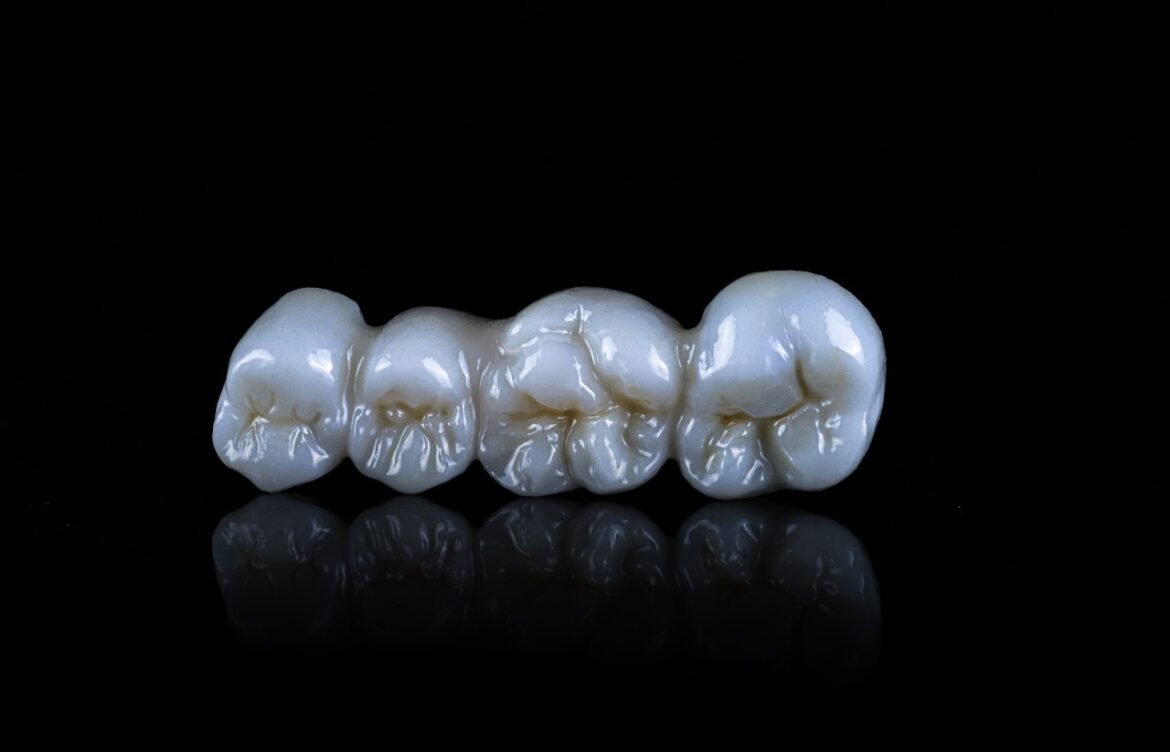
Why Zirconia Crowns Are Taking Over the Smile Game?
Zirconia Crowns Are Taking Over the Smile Game
1. Introduction
A beautiful, healthy smile can open doors, boost confidence, and significantly enhance overall well-being. Thanks to continuous innovations in restorative dentistry, patients now have access to more durable and natural-looking solutions than ever before. One such innovation that’s making waves in modern dental care is the Zirconia Crown.
Once dominated by metal and porcelain-fused-to-metal options, the dental crown market has shifted toward zirconia for its unmatched durability, biocompatibility, and superior aesthetics. In this article, we’ll explore why zirconia crowns are becoming the go-to choice for both dentists and patients.
2. Understanding Zirconia Crowns
Zirconia, or zirconium dioxide, is a high-performance ceramic material known for its strength, toughness, and biocompatibility. In dentistry, it is used to create full-coverage restorations that look like natural teeth and can withstand strong chewing forces.
Zirconia crowns are typically categorized into:
- Monolithic Zirconia Crowns – Solid, durable crowns ideal for back teeth (molars).
- Layered Zirconia Crowns – Contain a zirconia core and a more translucent porcelain overlay for front teeth where appearance matters most.
Both options provide dentists with flexibility to meet different restorative and cosmetic needs.
3. How Zirconia Is Different from Other Materials
Here’s how zirconia crowns compare with other popular crown materials:
| Feature | Zirconia | Porcelain-Fused-to-Metal | Gold Crowns | All-Ceramic Crowns |
|---|---|---|---|---|
| Strength | Excellent | Good | Excellent | Good |
| Aesthetic Appearance | Very Good | Moderate | Low | Excellent |
| Biocompatibility | Excellent | Fair | Good | Excellent |
| Longevity | 15+ years | 10-15 years | 20+ years | 10-15 years |
| Tooth Preparation | Minimal | Moderate | Moderate | Moderate |
Zirconia offers the best of both worlds—combining strength and aesthetics without compromising long-term health.
4. Benefits of Choosing Zirconia Crowns
a. Superior Strength
Zirconia is known for its incredible fracture resistance and strength, which makes it especially suitable for molars and people who suffer from bruxism (teeth grinding).
b. Natural Appearance
Modern zirconia crowns are highly customizable. Dentists can match the shade and translucency of surrounding teeth, delivering a seamless smile.
c. Minimal Tooth Removal
Thanks to zirconia’s strength, crowns can be made thinner. This allows for more conservative tooth preparation, preserving more of your natural tooth.
d. Hypoallergenic & Metal-Free
Patients with metal sensitivities or allergies can safely use zirconia, as it contains no metals or toxins.
e. Stain Resistant
Zirconia is less porous than other materials, making it resistant to stains from coffee, tea, or smoking.
5. Ideal Candidates for Zirconia Crowns
Zirconia crowns are suitable for a wide range of restorative situations, including:
- Severely decayed or cracked teeth
- Replacing old metal crowns
- Teeth that have undergone root canal therapy
- Individuals looking for a natural, durable cosmetic restoration
- Patients with allergies to metals or certain dental materials
6. Zirconia Crown Procedure: What to Expect
Step 1: Initial Consultation
Your dentist will evaluate the affected tooth using X-rays and determine if a zirconia crown is the best option.
Step 2: Tooth Preparation
The dentist gently reshapes the tooth to accommodate the crown. In cases of significant damage, a core build-up may be required.
Step 3: Impressions and Temporary Crown
Digital or traditional impressions are taken and sent to a lab. A temporary crown is placed to protect the prepared tooth.
Step 4: Crown Fabrication
Using CAD/CAM technology, your permanent zirconia crown is custom-designed and milled for a perfect fit.
Step 5: Fitting and Cementation
Once ready, the permanent crown is checked for fit, color, and bite alignment. After approval, it is permanently bonded.
The entire process typically takes 2 dental visits over 1–2 weeks, depending on your dental clinic.
7. Common Myths and Misconceptions
Myth 1: Zirconia Crowns Are Too Expensive
While zirconia crowns may cost more initially, their longevity and minimal maintenance make them cost-effective over time.
Myth 2: They Look Fake
Modern zirconia crowns are customizable in color, size, and translucency, offering a highly realistic appearance.
Myth 3: They’re Too Hard and Abrasive
With proper finishing and polishing, zirconia crowns are gentle on opposing teeth and do not cause undue wear.
8. Caring for Your Zirconia Crown
Maintaining a zirconia crown is similar to caring for your natural teeth:
- Brush twice daily using a soft-bristle toothbrush
- Floss regularly to remove plaque buildup
- Use fluoride toothpaste to strengthen surrounding enamel
- Avoid biting hard objects like ice or pens
- Schedule dental check-ups every six months
With proper care, zirconia crowns can last 15 to 20 years or more.
9. Cost vs. Value: Are Zirconia Crowns Worth It?
Yes, absolutely. Although the upfront cost of a zirconia crown ranges between $800 to $2,500 per tooth (depending on your region and complexity), the long-term durability, reduced need for replacements, and superior aesthetics make it a worthwhile investment. Additionally, many insurance plans now cover a portion of the cost when medically necessary.
10. Future of Dental Crowns: Is Zirconia the Gold Standard?
As dental technology continues to evolve, zirconia is poised to become the new standard for crown materials. With advancements in translucent zirconia and digital scanning technology, crowns are now more precise, lifelike, and comfortable than ever before. Many dentists consider zirconia crowns the future of restorative dentistry because they eliminate the trade-off between beauty and durability.
11. Conclusion
Zirconia crowns are revolutionizing the world of cosmetic and restorative dentistry. Whether you’re looking to restore a damaged tooth, improve your smile, or upgrade your old crowns, zirconia offers a dependable and aesthetically pleasing solution. With a combination of durability, biocompatibility, and natural appearance, it’s no surprise that zirconia crowns are taking over the smile game.
12. Frequently Asked Questions
Q1: How long does it take to get a zirconia crown?
Typically, it takes two visits over 1–2 weeks. Some clinics offer same-day crowns using CAD/CAM technology.
Q2: Are zirconia crowns safe for people with allergies?
Yes, zirconia is metal-free and hypoallergenic, making it safe for individuals with metal sensitivities.
Q3: Do zirconia crowns feel different than natural teeth?
Once placed, zirconia crowns feel very natural and blend seamlessly with your bite and speech.
Q4: Can zirconia crowns crack or chip?
While extremely durable, zirconia crowns can crack under extreme trauma or misuse (like chewing ice). Proper care helps prevent this.
Q5: Are zirconia crowns suitable for children?
They are typically reserved for adults, but in specific pediatric cases (like severe tooth damage), they can be used under professional guidance.