

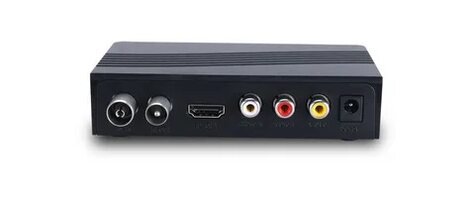
DVB S2 Suppliers and Android Hybrid DVB Solutions
In today’s fast-paced digital era, the demand for cutting-edge broadcasting technology is higher than ever. With the rapid expansion of satellite communications and interactive television, the fusion of advanced DVB-S2 (Digital Video Broadcasting – Satellite, Second Generation) systems and Android hybrid DVB solutions has opened new horizons for broadcasters, service providers, and content creators. This guide will take you on a journey through the world of DVB-S2 technology, explore the innovative realm of Android hybrid DVB, and highlight why partnering with the right suppliers is crucial for success in a competitive market.
The Evolution of DVB-S2 Technology
Digital broadcasting has evolved dramatically since the early days of analog transmission. DVB-S2 represents a significant leap forward, providing enhanced transmission efficiency, robust error correction, and improved spectral efficiency compared to its predecessors. This advancement means broadcasters can deliver high-definition (HD) and ultra-high-definition (UHD) content more reliably, even in challenging conditions. Over the years, DVB-S2 technology has proven itself indispensable in satellite communications, catering to applications ranging from direct-to-home (DTH) TV services to data broadcasting for remote areas.
The improved modulation and coding schemes in DVB-S2 not only enhance signal quality but also maximize bandwidth utilization—a key factor in an industry where every megahertz counts. Today’s broadcasters demand systems that are flexible, scalable, and capable of integrating with modern digital ecosystems, and DVB-S2 meets those requirements with flying colors.
Understanding Android Hybrid DVB Solutions
While DVB-S2 continues to push the boundaries of digital transmission, the integration of Android hybrid DVB solutions is redefining how audiences interact with broadcast content. Android hybrid DVB refers to set-top boxes and integrated systems that combine the stability of traditional satellite broadcasting with the versatility of the Android operating system. This hybrid approach delivers a seamless user experience, merging live TV, on-demand video, streaming services, and interactive applications on a single platform.
The beauty of Android hybrid DVB lies in its ability to provide a customizable interface with access to an extensive app ecosystem. Users can navigate effortlessly through live channels, access social media, stream videos, or even browse the web, all from one device. For broadcasters, this integration opens up additional revenue streams through targeted advertising, interactive services, and enhanced viewer engagement.
The Role of DVB S2 Suppliers in the Market
Reliability, scalability, and ease of integration are key factors that set top DVB-S2 suppliers apart. Their products are designed to seamlessly integrate with existing networks and future-proof broadcasting operations. By continuously updating their technology and adhering to rigorous quality standards, these suppliers empower broadcasters to deliver exceptional viewing experiences even in the face of rapidly changing market dynamics.
The Synergy Between DVB-S2 and Android Hybrid DVB
The combination of DVB-S2 and Android hybrid DVB solutions creates a powerful synergy that enhances both technical performance and user experience. Here are some key benefits of this integration:
- Enhanced Viewing Experience: DVB-S2 ensures superior signal quality and efficient bandwidth usage, while Android hybrid DVB provides an interactive interface that enriches content delivery. Together, they offer an engaging, multi-dimensional viewing experience that caters to the modern consumer.
- Flexibility and Scalability: The modular nature of DVB-S2 systems, combined with the customizable Android platform, allows broadcasters to tailor solutions to diverse market requirements. Whether it’s a small-scale local broadcast or a large network operation, this integrated approach scales to meet any demand.
- Cost-Effective Operations: Upgrading legacy systems can be prohibitively expensive. However, by integrating Android hybrid DVB, broadcasters can leverage remote software updates, streamlined maintenance, and efficient resource management to reduce operational costs significantly.
- Revenue Generation Opportunities: The Android ecosystem opens up a vast array of monetization options. Interactive applications, targeted advertising, and on-demand services can be seamlessly integrated into the viewer experience, creating new revenue channels for service providers.
- Future-Proofing Networks: As consumer preferences shift and technology continues to evolve, the flexibility of Android hybrid DVB systems ensures that broadcasters can adapt quickly. This adaptability is crucial for maintaining a competitive edge in a dynamic digital landscape.
- 1. Innovation and Technological Leadership
Look for suppliers that demonstrate a strong commitment to innovation. The industry is evolving at breakneck speed, and the right partner will have a proven track record of investing in research and development. Their products should incorporate the latest advancements in modulation, coding, and digital integration to ensure optimal performance.
2. Quality Certifications and Compliance
A reputable supplier will adhere to international quality standards and possess certifications such as ISO, CE, or FCC. These certifications are a testament to their commitment to quality control and product reliability. Requesting product documentation, performance reports, and case studies can provide valuable insights into their technical capabilities.
3. Customization and Flexibility
Every market has unique demands, and the ability to customize solutions is a significant advantage. Choose suppliers that offer flexible system configurations, allowing you to tailor the hardware and software components to your specific needs. Whether it’s customizing firmware for Android hybrid DVB or optimizing DVB-S2 modules for maximum efficiency, flexibility is key.
4. Comprehensive Support and After-Sales Service
Technical support doesn’t end at the point of sale. A strong supplier will offer ongoing technical assistance, training, and maintenance services to ensure smooth integration and operation. Robust customer support, including remote troubleshooting and regular system updates, can help minimize downtime and keep your broadcasting operations running seamlessly.
5. Cost-Effectiveness and Value Proposition
While competitive pricing is essential, the overall value offered by a supplier should be the primary focus. Evaluate the total cost of ownership, including initial investment, maintenance, and upgrade expenses. A partner that offers high-performance products, reliable support, and scalable solutions provides long-term value that goes beyond upfront costs.
6. Market Reputation and Customer Success Stories
Research the supplier’s market reputation by reviewing testimonials, case studies, and industry awards. A supplier with a history of successful deployments in varied markets—ranging from regional broadcasters to multinational networks—can be trusted to deliver solutions that perform under real-world conditions.
Market Trends and Future Outlook
The convergence of DVB-S2 and Android hybrid DVB technologies is shaping the future of digital broadcasting. With the rapid expansion of high-speed internet, consumer demand for high-definition content, and the rise of interactive media, the market is witnessing unprecedented growth. Key trends include:
- Integration of Artificial Intelligence (AI): AI is being leveraged to provide personalized content recommendations, automate system management, and enhance overall user engagement.
- Enhanced Data Analytics: Advanced analytics are enabling broadcasters to monitor audience behavior, optimize content delivery, and refine advertising strategies in real-time.
- Smart Network Management: The ability to perform remote diagnostics, system updates, and performance monitoring is transforming how broadcasters manage their networks, reducing downtime and enhancing service quality.
- Sustainability and Energy Efficiency: As the industry moves towards greener solutions, energy-efficient DVB-S2 systems and low-power Android hybrid DVB devices are gaining prominence, helping broadcasters reduce their carbon footprint.
- Convergence of Media Platforms: The integration of live TV, on-demand content, and interactive applications on a single platform is redefining the media landscape, offering viewers a seamless and enriched experience.
Real-World Success Stories
Imagine a regional broadcaster who, facing stiff competition and rising operational costs, decided to overhaul their legacy satellite system by partnering with a leading DVB-S2 supplier and integrating Android hybrid DVB solutions. The transformation was remarkable: not only did the new system provide crystal-clear HD broadcasts, but the interactive Android interface also engaged viewers in ways never seen before. Audience engagement soared as viewers were able to access on-demand content, participate in live polls, and interact with social media—all from the comfort of their living rooms. The broadcaster reported a significant increase in customer satisfaction and a boost in advertising revenue, proving that the right technology partner can truly revolutionize the viewing experience.
Overcoming Industry Challenges
While the integration of DVB-S2 and Android hybrid DVB offers immense benefits, it also presents challenges. Technical complexities, integration issues, and the need for constant innovation can be daunting. However, by choosing a partner that offers robust support and a commitment to continuous improvement, these challenges can be effectively managed. Transparent communication, regular system audits, and proactive maintenance strategies are essential for mitigating risks and ensuring that your broadcasting network remains resilient in a rapidly changing environment.
Conclusion
The fusion of DVB-S2 technology with Android hybrid DVB solutions represents a paradigm shift in the broadcasting industry. This integrated approach not only delivers superior signal quality and enhanced user interaction but also opens up new avenues for revenue generation and network management. By partnering with innovative DVB-S2 suppliers and forward-thinking Android hybrid DVB manufacturers, broadcasters can stay ahead of the curve, adapt to emerging trends, and provide an exceptional viewing experience to audiences worldwide.