

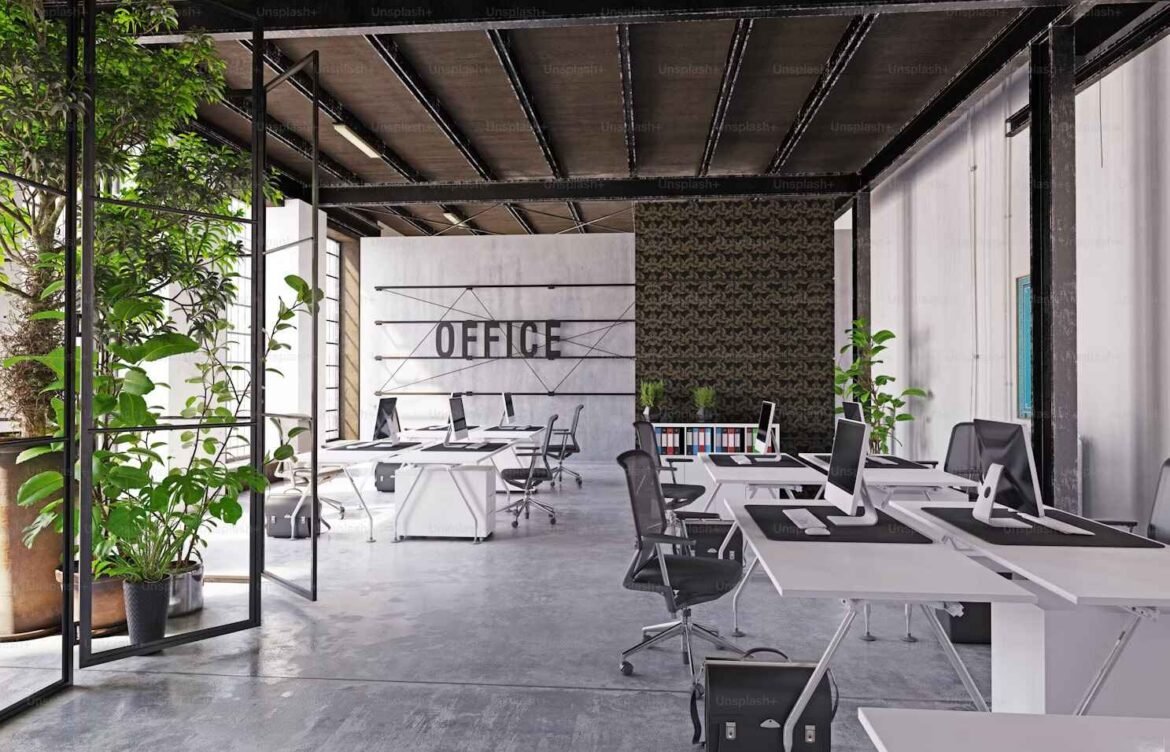
Small Office Interior Design Hacks to Maximize Productivity
Designing a small office space requires careful planning and innovative solutions to ensure maximum functionality and aesthetics. Every square foot needs to be utilized efficiently to create a workspace that is not only productive but also comfortable and visually appealing. With the right approach, even the most compact offices can be transformed into inspiring environments that encourage focus, efficiency, and collaboration.
The first step in optimizing a small office space is to assess the layout and make strategic decisions that enhance workflow. Open floor plans work well in small spaces as they eliminate unnecessary partitions and create a sense of openness. Smart space planning is essential to accommodate different office activities without making the space feel cramped. Workstations should be positioned in a way that allows for seamless movement and accessibility. Choosing modular furniture that can be rearranged or folded away when not in use is a smart strategy to adapt the office layout as needed.
Smart Furniture Choices for Space Optimization
Incorporating multifunctional furniture is one of the most effective ways to make the most of a small office. Wall-mounted desks, foldable tables, and storage-integrated seating help save floor space while maintaining functionality. Desks with built-in storage compartments keep essential office supplies within reach without cluttering the workspace. Investing in ergonomic chairs that are both comfortable and space-saving enhances productivity and ensures employees remain comfortable throughout the workday.
Storage Solutions to Eliminate Clutter
Storage plays a crucial role in small office design, as clutter can quickly make a space feel cramped and disorganized. Vertical storage solutions such as floating shelves, tall cabinets, and overhead storage help maximize available space. Pegboards and wall organizers keep frequently used items accessible while freeing up desk space. Cable management systems prevent wires and cords from becoming a tangled mess, contributing to a clean and organized work environment.
Choosing the Right Colors and Lighting
Color schemes and lighting choices have a significant impact on the perception of space. Light and neutral colors such as white, beige, and pastels create an airy and open atmosphere. Monochromatic color schemes help maintain visual consistency, making the office appear larger. Accentuating the space with strategically placed mirrors enhances natural light reflection, making the office feel brighter and more spacious. Proper lighting is equally important, with a combination of natural and artificial lighting ensuring optimal working conditions. Positioning desks near windows allows employees to benefit from natural light, reducing eye strain and boosting productivity. LED task lighting provides focused illumination for work-related tasks, while ambient lighting enhances the overall ambiance of the office.
Maintaining a Clutter-Free Workspace
A clutter-free and well-organized workspace contributes significantly to productivity and creativity. Implementing a minimalist approach ensures that only essential items are kept within the workspace, reducing distractions and creating a streamlined aesthetic. Regular decluttering sessions help maintain a tidy and efficient office environment. Going paperless by digitizing documents and using cloud storage minimizes the need for bulky filing cabinets, further optimizing space.
Incorporating Greenery for a Refreshing Work Environment
Introducing greenery into the office adds a refreshing and calming touch to the workspace. Indoor plants not only enhance the aesthetics of the office but also improve air quality and reduce stress levels. Low-maintenance plants such as succulents, snake plants, and pothos thrive in indoor environments and require minimal care. Hanging planters, wall-mounted gardens, and small potted plants on desks provide a touch of nature without taking up valuable floor space. Greenery contributes to a healthier and more pleasant work environment, promoting employee well-being and focus.
Personalization and Branding in Office Design
Personalization plays a key role in creating a workspace that feels inviting and inspiring. Incorporating company branding elements such as logos, color schemes, and motivational quotes enhances the office’s identity while maintaining a professional appearance. Employees should be encouraged to personalize their workspaces with subtle decor items such as framed photos, desk organizers, and small artwork that reflect their personality without overwhelming the space. A balance between personalization and professionalism ensures a workspace that is both functional and visually appealing.
Noise Reduction Strategies for Enhanced Focus
Noise control is a common challenge in small office environments, particularly in open layouts where multiple employees work in close proximity. Acoustic solutions such as soundproof panels, noise-canceling curtains, and rugs help absorb excess noise and reduce distractions. White noise machines or background music at a low volume create a consistent sound environment that minimizes disruptive noises. Implementing designated quiet zones or meeting pods allows employees to conduct discussions without disturbing others in the workspace.
Technology Integration for a Modern Office
Technology integration enhances the efficiency of small office spaces. Wireless devices eliminate cable clutter, allowing for a cleaner and more organized workspace. Smart office solutions such as automated lighting, climate control, and voice-activated assistants streamline daily operations and improve energy efficiency. Compact yet high-performance equipment, such as all-in-one printers and small-form-factor computers, ensures that office functions are not compromised despite space limitations. Cloud-based collaboration tools enable seamless communication and file sharing, reducing the need for physical storage and paperwork.
Creating Functional Meeting Spaces
Meeting spaces can be challenging to accommodate in small offices, but creative solutions make it possible to conduct discussions and brainstorming sessions effectively. Foldable partitions create temporary meeting areas that can be adjusted as needed. Soundproof pods provide private spaces for video calls and confidential conversations without requiring separate rooms. Virtual meeting solutions allow remote collaboration, reducing the necessity for large physical meeting spaces. Maximizing the usability of shared spaces ensures that all office functions are accommodated without compromising on space.
Long-Term Office Renovation Strategies
For businesses considering office renovation ideas, incorporating flexible design elements ensures long-term adaptability. Investing in furniture and layouts that can evolve with the company’s growth prevents the need for frequent renovations. Smart storage solutions, modular workstations, and multipurpose areas contribute to a dynamic and future-ready office environment. Selecting durable and sustainable materials for office furniture and decor enhances longevity while aligning with eco-friendly initiatives. An office space designed with flexibility in mind remains efficient and functional as business needs change.
Expert Assistance in Small Office Design
Businesses seeking expert guidance in designing their small office spaces can benefit from consulting experienced office interior designers in Gurgaon. Professional designers provide tailored solutions that optimize space utilization, improve aesthetics, and enhance productivity. With an in-depth understanding of ergonomic principles and design trends, they ensure that small offices are transformed into efficient and inspiring workplaces. Collaborating with professionals streamlines the design process and ensures that every element of the office is carefully planned and executed.
Conclusion
A minimalist yet functional approach to small office interior design creates an environment where employees can thrive. Thoughtful space planning, strategic furniture selection, smart storage solutions, and a focus on aesthetics contribute to an office that is both practical and visually appealing. With the right design strategies, even the smallest office spaces can be optimized to support productivity, creativity, and employee well-being.